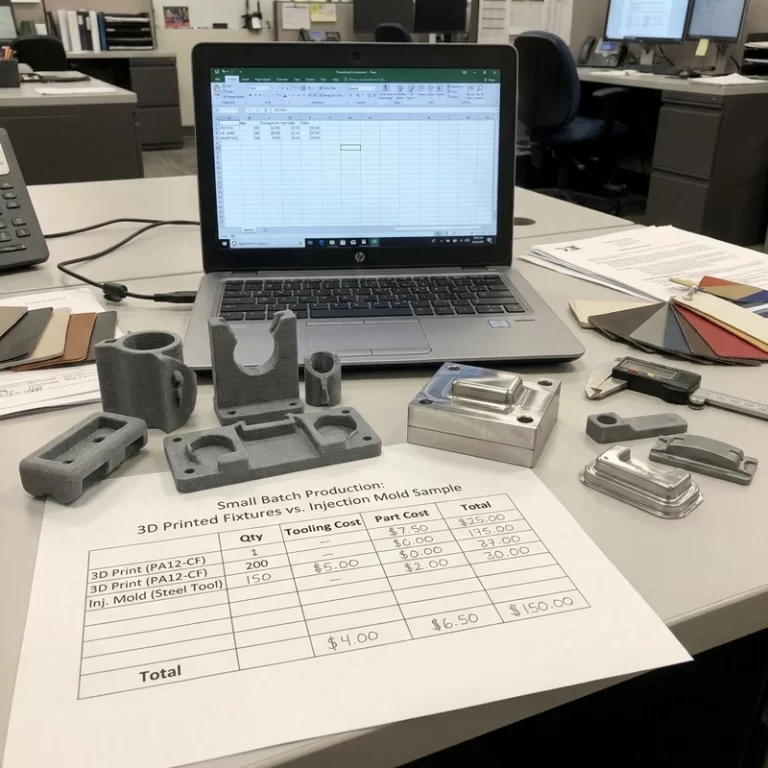
Engineering plastic 3D printing applications are wider than display prototypes, but they are not unlimited. I see it work best when the part needs real plastic behavior, quick design changes, and low to medium quantity. Fixtures, housings, inspection tools, assembly aids, robot brackets, automotive trial parts, and low-volume functional components can all make sense when the material and process are chosen honestly.
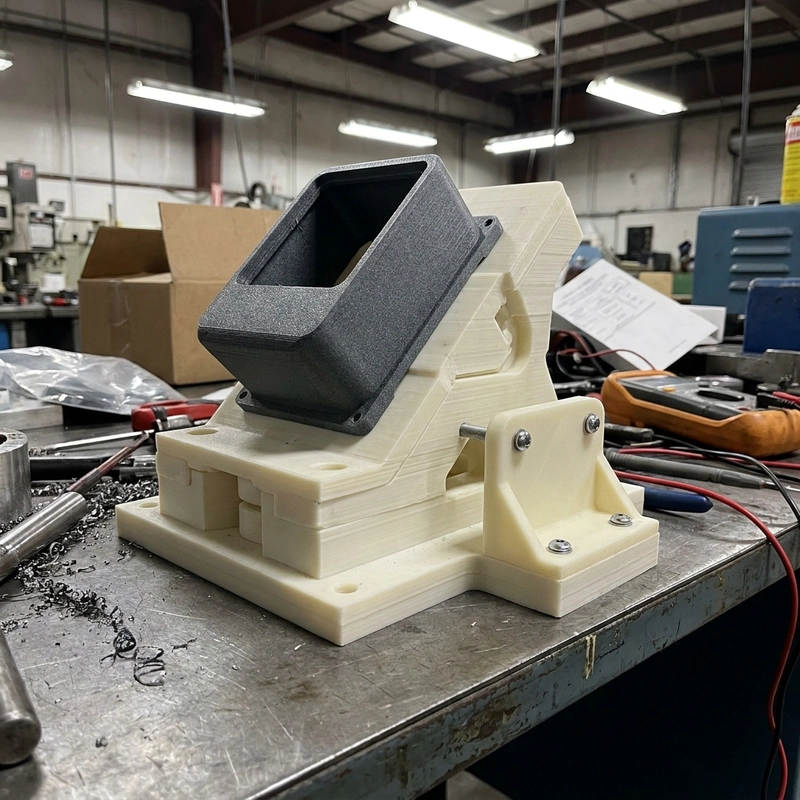
The useful question is not “can it be printed?” A lot of things can be printed once. The better question is whether the printed part can survive the load, heat, assembly, wear, cleaning, and handling expected in use. Engineering plastic 3D printing applications become reliable when the design accounts for layer direction, surface finish, threads, inserts, moisture, and tolerance.
Engineering plastic 3D printing applications in fixtures and tools
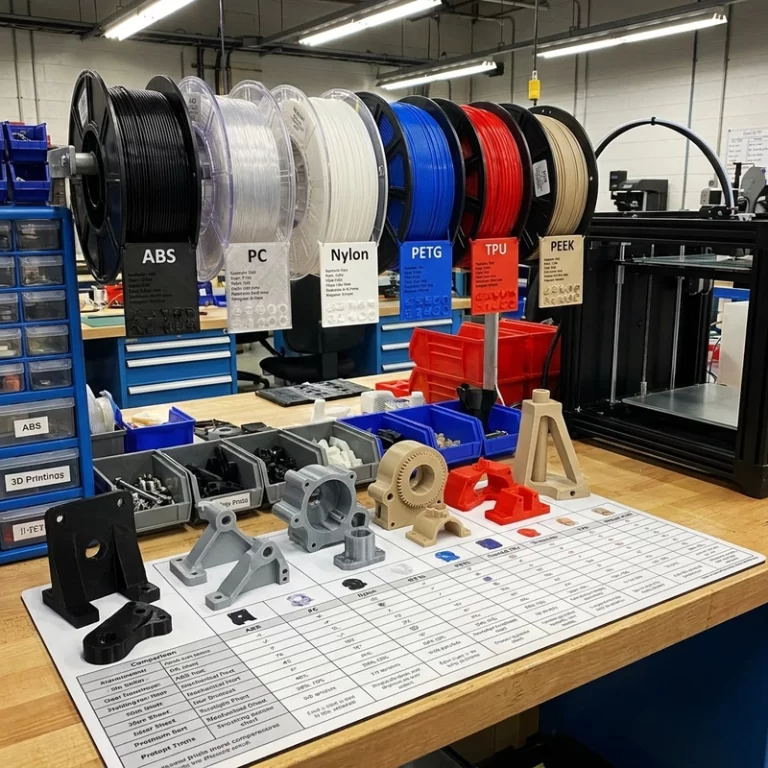
Fixtures are one of the cleanest application areas. They often need custom geometry, quick iteration, and enough strength for shop handling rather than showroom cosmetic finish. Nylon, PETG, PC, ABS, or filled materials can be used depending on load and heat. Printed fixtures can include soft contact pads, cable channels, label zones, sensor mounts, and ergonomic handles that would be slower to machine as one piece.
I still check contact pressure and wear. A printed nest holding a painted part should not scratch the finish. A fixture near a soldering operation or hot motor needs heat resistance. A gauge that locates from one small printed edge may wear and lose repeatability. In those cases, metal pins, bushings, threaded inserts, or replaceable wear pads can turn a printed tool into something more durable.
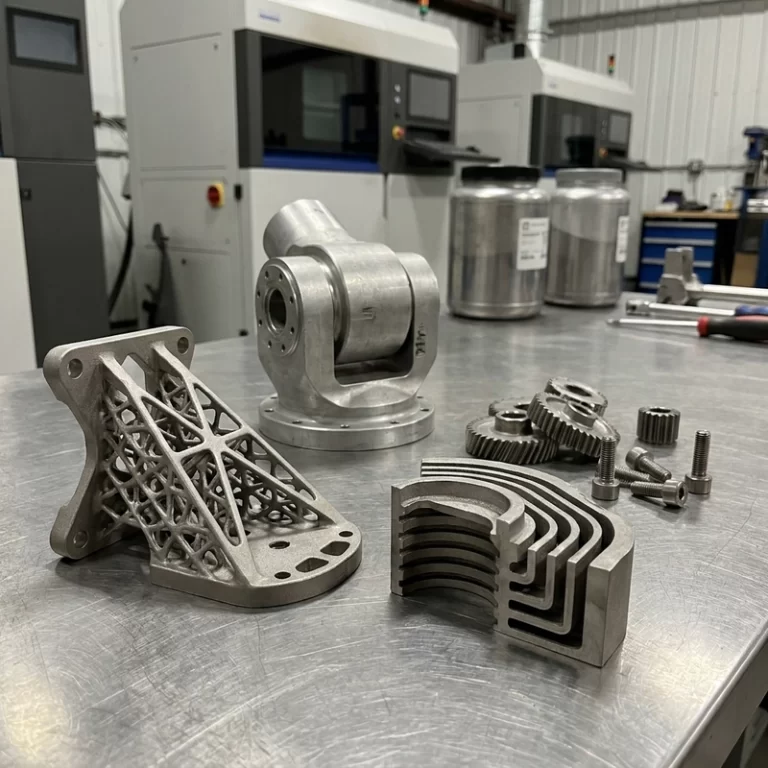
For parts that need printed geometry plus tighter machined datums, Zesmir’s article on CNC machining after 3D printing is a better next step. Hybrid manufacturing is often less romantic than pure printing, but it solves real tolerance problems.
Housings, brackets, and low-volume products
Housings are common, but they reveal weak design quickly. Screw bosses split if wall thickness and inserts are wrong. Large panels warp if the material shrinks or the ribs are poor. Snap fits fail if the printed material is too brittle or the layer direction is wrong. Vent holes, PCB mounts, cable exits, and gasket surfaces need more planning than an appearance-only shell.
The source notes engineering plastic densities around 1.0-1.3 g/cm3, compared with aluminum around 2.7 and steel around 7.8. That weight advantage is real for robot covers, drone parts, handheld devices, and equipment housings. It does not remove the need to check stiffness and creep. A light part that bends too much around a screw is not a good part.
For material choice, the related article on engineering plastic 3D printing material selection is the proper starting point. For batch economics, read engineering plastic 3D printing cost before deciding whether printed plastic should replace molding.
Engineering plastic 3D printing applications in automotive and robotics
Automotive and robotics projects often use printed engineering plastics for routing clips, inspection tools, sensor brackets, lightweight covers, ducting trials, and assembly aids. The reason is speed. A bracket can be tested, moved, thickened, or split without waiting for tooling. Functional validation still matters. Vibration, heat, UV, oil, and repeated assembly can expose a material mistake quickly.
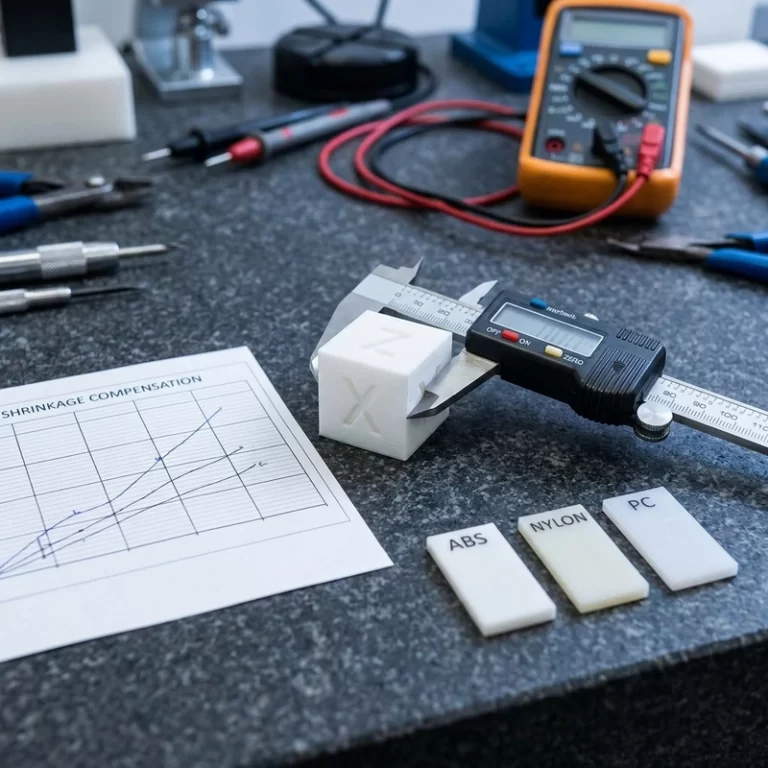
For glass-filled PA or carbon-filled nylon, stiffness improves but brittleness, surface abrasion, and nozzle wear may become more serious. Filled materials also print differently from neat nylon. I would not approve a filled nylon part only because the base polymer name looks familiar. The reinforcement changes the process and sometimes the failure mode.
Education and research labs use printed engineering plastics for test rigs, sensor mounts, fluid-routing mockups, robot end-effectors, and protective covers. These parts are valuable because they can be changed quickly. A hole can move, a grip can be reshaped, and a cable path can be opened without waiting for a machined revision. The risk is treating a lab prototype as a final production part without checking fatigue, cleaning, and long-term heat exposure.
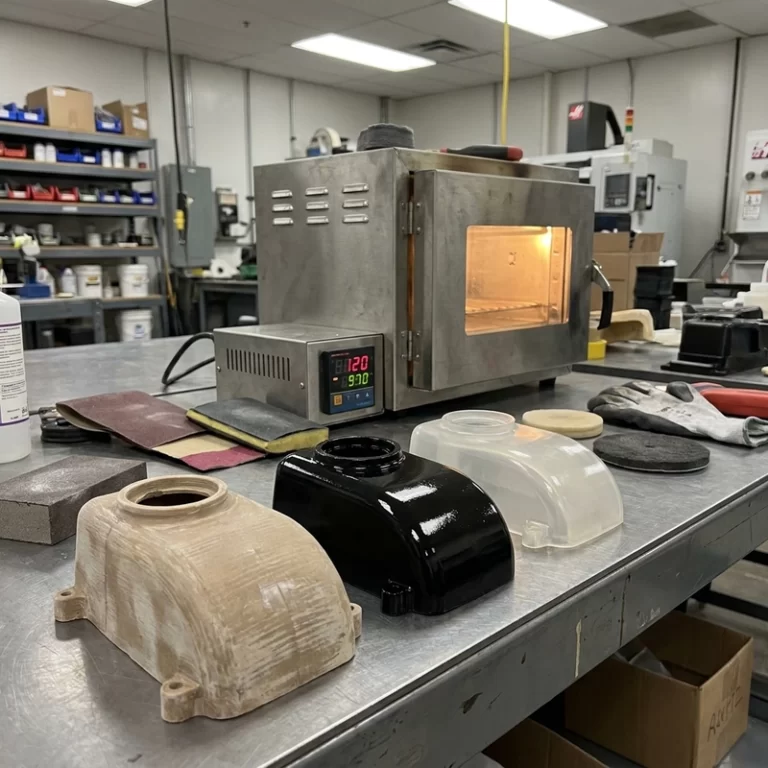
Consumer product development is similar. Printed housings can prove hand feel, button position, wall thickness, and assembly order before tooling. They can also mislead. Layer lines, rough nylon texture, resin brittleness, or hand-finished paint may not represent molded plastic. When the printed sample is used for decision-making, I note which features are representative and which are only approximate.
Where printed engineering plastics are a poor fit
High-volume simple parts often belong to molding. Safety-critical load-bearing parts need real qualification. Food-contact, medical, electrical flame, and pressure applications need documentation and process control that ordinary prototype printing may not provide. Smooth consumer surfaces may require so much finishing that another route becomes cheaper.
That does not make printing weak. It makes it specific. Printing is excellent when geometry, speed, customization, or low-volume flexibility matters more than the lowest possible unit price. For neutral background on additive manufacturing categories, the NIST additive manufacturing resource is a useful reference.
Inspection should match the application. A fixture may need only fit and load checks. A housing may need screw-cycle testing and cosmetic approval. A bracket may need a simple load test in the correct orientation. Engineering plastic 3D printing applications become much less risky when the acceptance test is defined before the quote, not after the parts arrive.
RFQ details for application-driven parts
For application work, I want to see the use environment, target quantity, load direction, heat exposure, chemical exposure, cosmetic faces, thread or insert needs, and acceptable finishing level. Engineering plastic 3D printing applications succeed when the part is designed for its job, not when a generic material is attached to a vague STL.