
Metal 3D Printing Medical Implants: Porous Titanium Is Not a Shortcut
Metal 3D printing medical implants require clear use category, traceable powder, validated cleaning, porous design control and inspection evidence.
Global B2B Custom 3D Printing & Prototyping Manufacturing Supplier
Technical articles about SLM, binder jetting, metal powder control, heat treatment, inspection, and production-quality metal additive manufacturing.
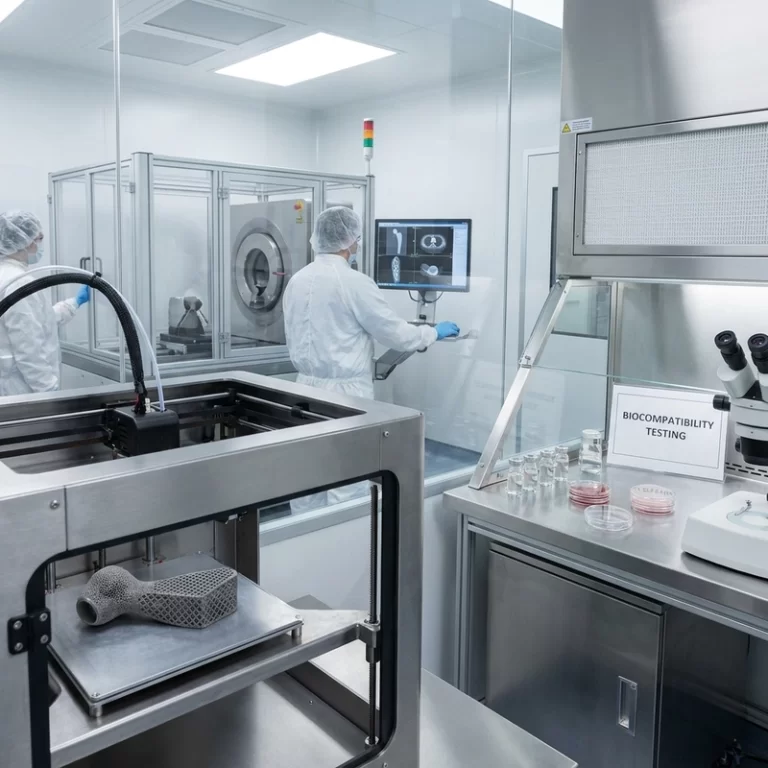
Metal 3D printing medical implants require clear use category, traceable powder, validated cleaning, porous design control and inspection evidence.
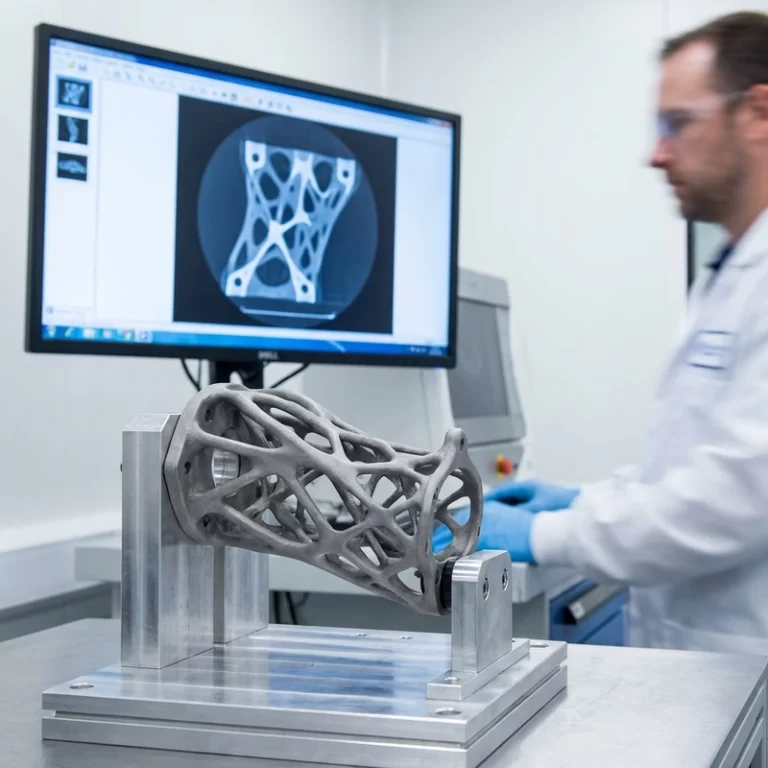
Metal 3D printing aerospace parts need load-case cleanup, powder traceability, support planning, fatigue thinking, inspection and machining allowance.
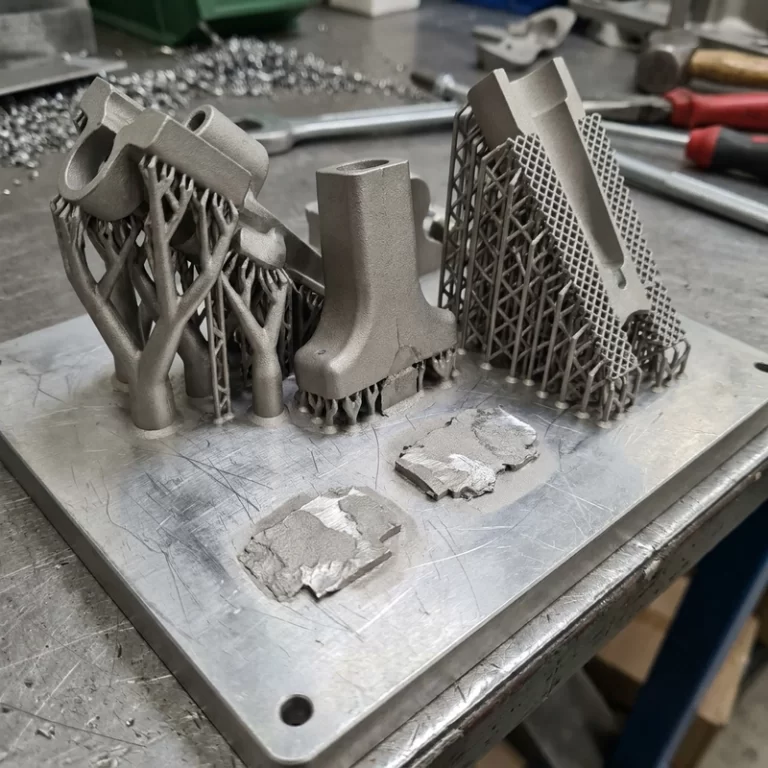
Metal 3D printing support design controls heat flow, distortion, waste, removal access and surface damage in SLM metal builds.
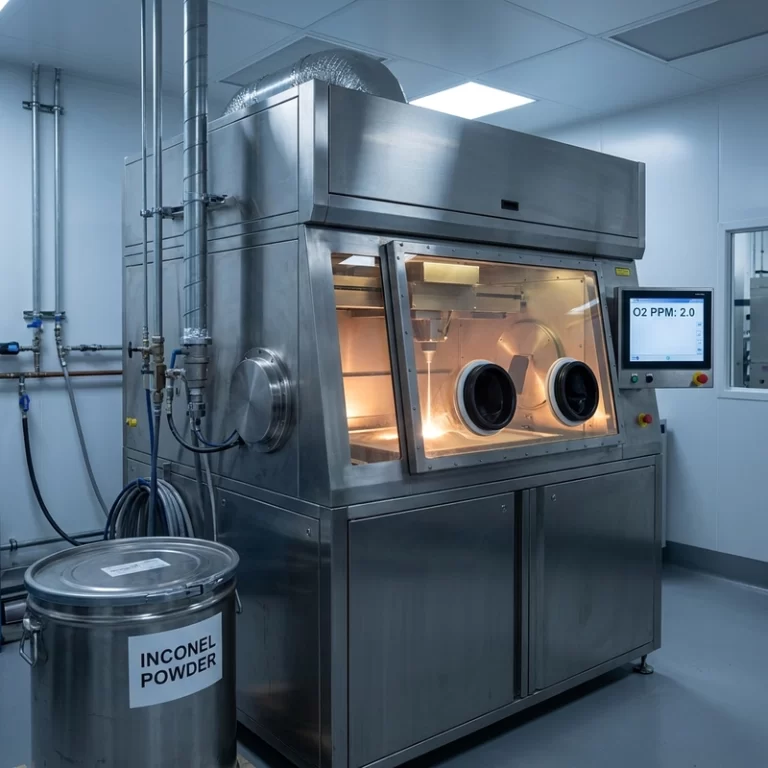
High-temperature alloy 3D printing needs oxygen control, inert gas records, powder handling, heat treatment, machining and inspection planning.
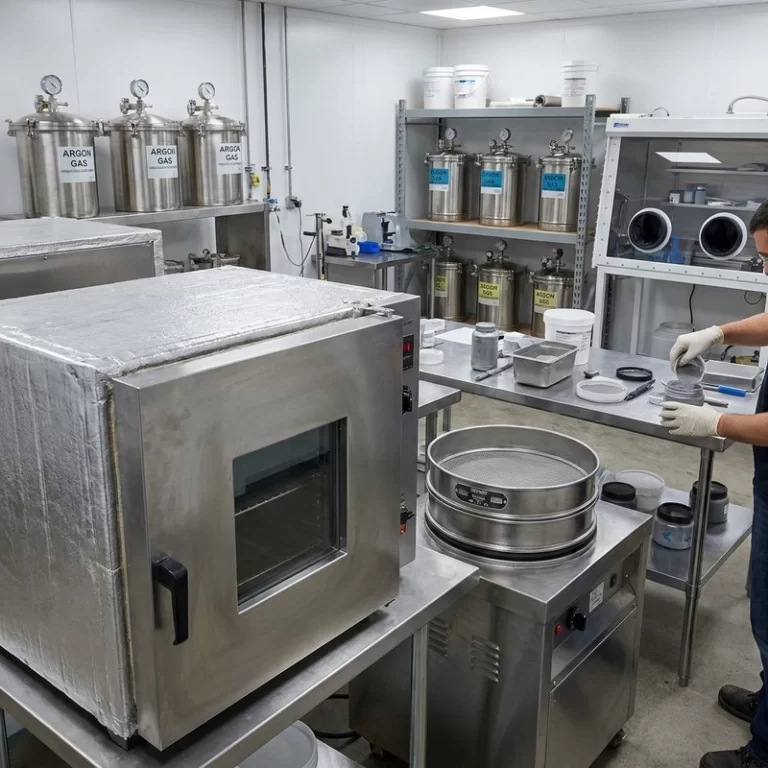
Metal powder preprocessing controls drying, sieving, storage, blending, reuse records and contamination before SLM or binder jetting builds.
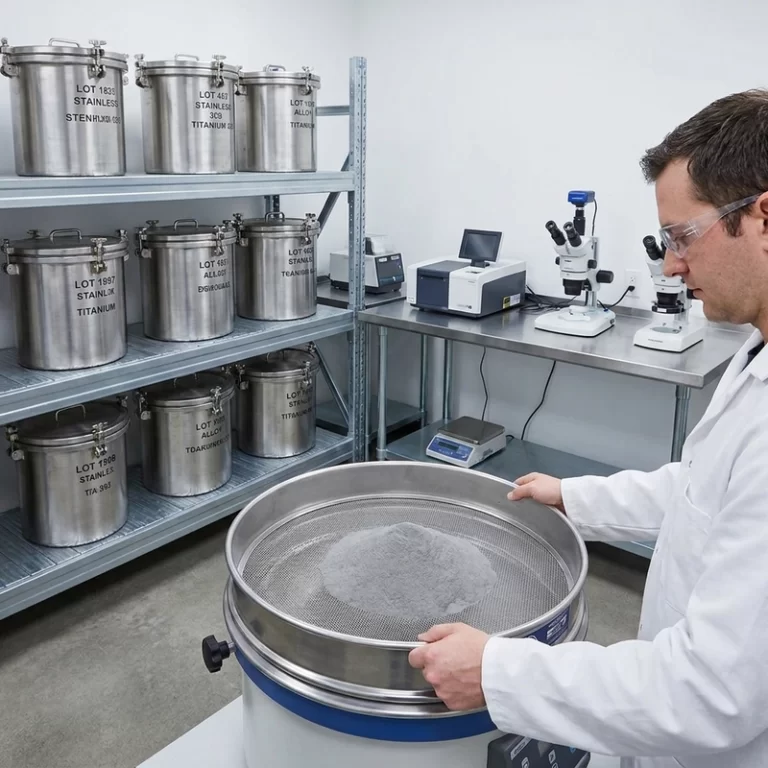
Metal 3D printing powder quality affects porosity, density, surface finish and repeatability through particle size, moisture, oxygen and reuse control.
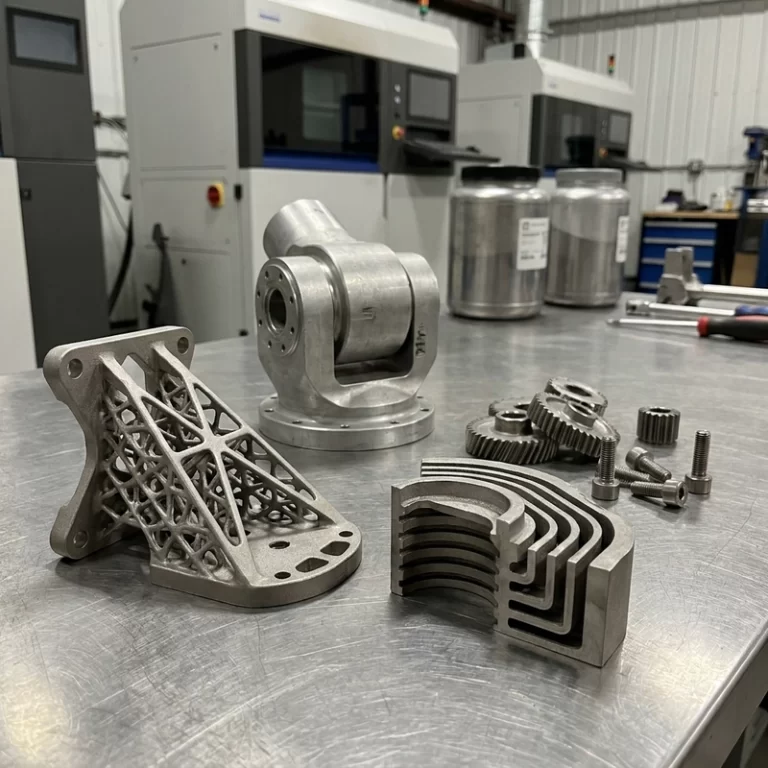
Metal 3D printing industrial applications work when geometry, weight reduction and low-volume production justify printing plus CNC, finishing and inspection.
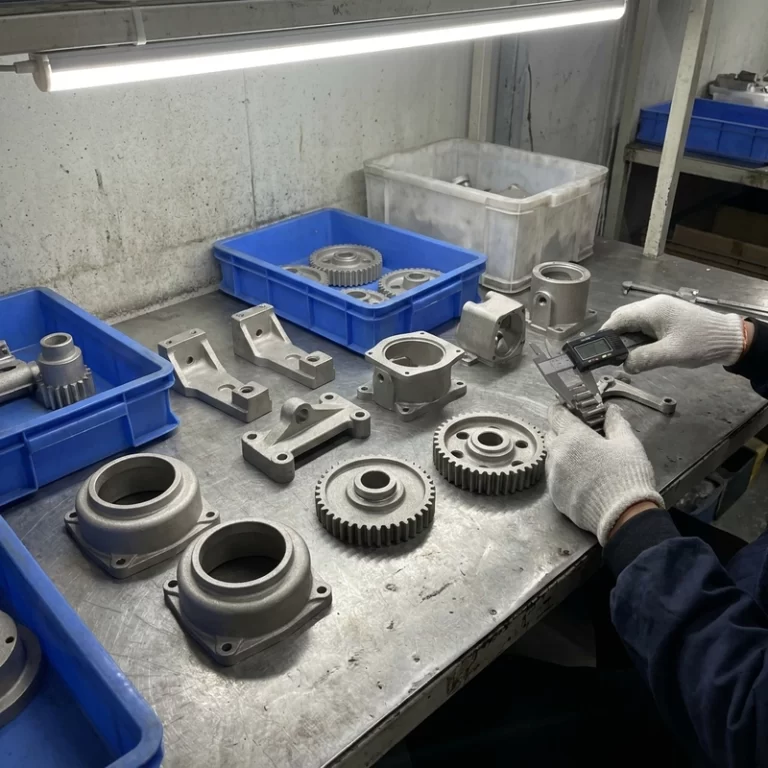
Binder jetting 316L stainless steel depends on sintering shrinkage, density, green-part handling, surface finish, machining and inspection.
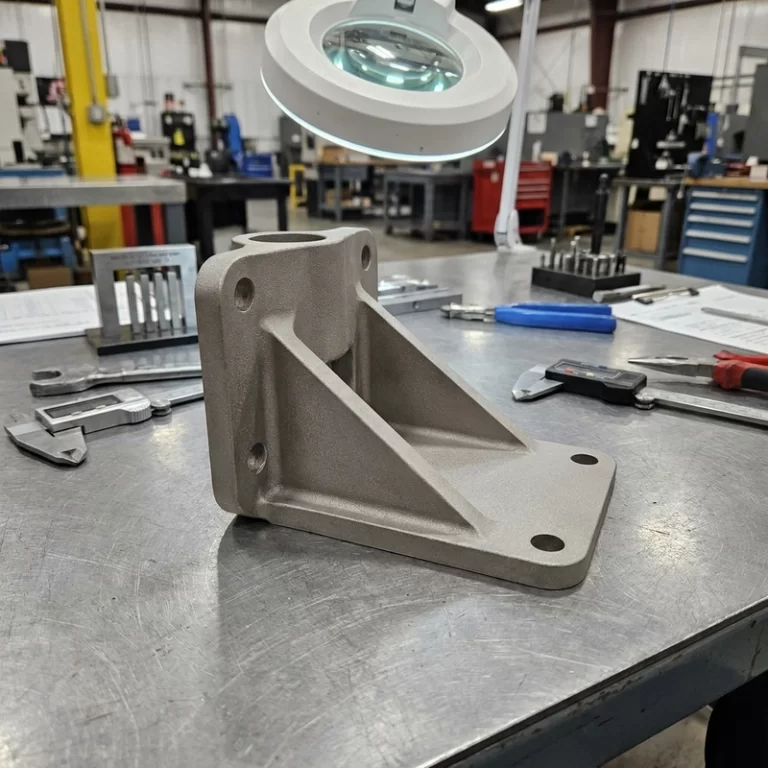
TC4 titanium SLM 3D printing depends on Ti6Al4V powder drying, oxygen control, supports, stress relief, HIP and inspection before production.
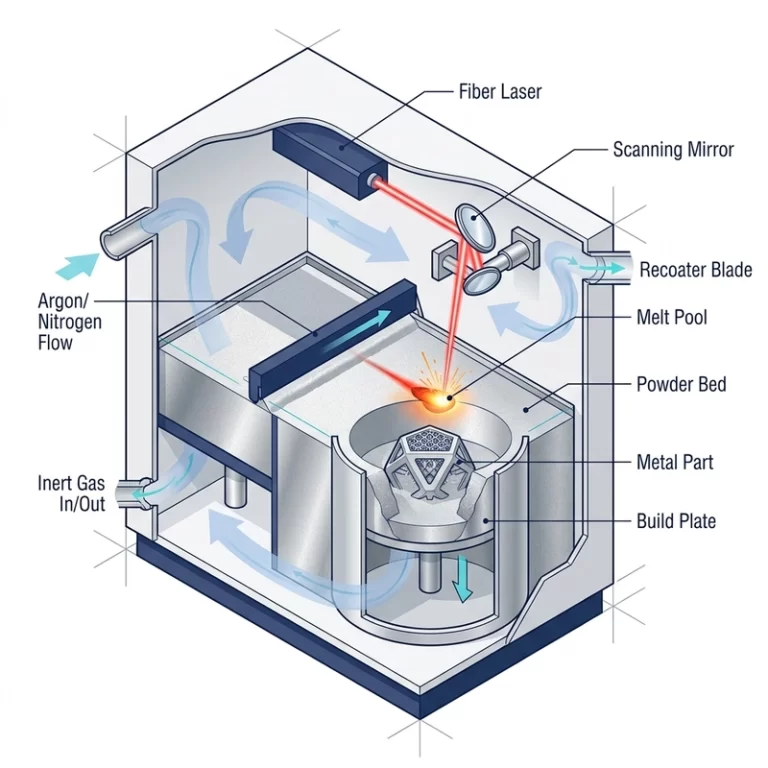
SLM metal 3D printing defects from the shop floor: gas pores, lack of fusion, hot cracks, distortion — and the real troubleshooting workflow that catches them before CT.
Your cart is currently empty!
Notifications