TC4 titanium SLM 3D printing is not a material shortcut. It is a controlled metal powder-bed process, and Ti6Al4V will punish loose handling: wet powder, poor oxygen control, weak supports, rushed stress relief, or inspection that stops at “looks fine”. The part may still come out of the machine. That does not mean it is ready to carry load, take machining, or survive a repeat order.
When I read a titanium RFQ, I do not start by asking whether SLM can print the shape. Most shapes can be attempted. I start with the failure points in TC4 titanium SLM 3D printing: powder condition, chamber atmosphere, heat path, support strategy, post-build stress, and which surfaces must be machined or inspected. Those are the places where a good-looking Ti6Al4V print becomes expensive later.
TC4 titanium SLM 3D printing starts with powder discipline
TC4 is the Chinese designation commonly associated with Ti6Al4V, the familiar titanium alloy used when a part needs a high strength-to-weight ratio, corrosion resistance, and geometry that would be awkward to machine from billet. In SLM, the alloy is melted and solidified layer by layer. That rapid thermal cycle is useful, but it also creates a narrow process window for TC4 titanium SLM 3D printing.
Powder should be dry, clean, spherical enough for stable spreading, and traceable. A common powder size range for laser powder bed fusion is around 15-45 microns, depending on the machine and supplier specification. I would treat that as a starting specification, not a universal rule. Fine powder spreads differently from coarse powder, and the powder supplier’s datasheet still decides the real acceptance window.
The source notes behind this draft include Ti6Al4V drying references around 120 deg C for about 3 hours, with longer vacuum-drying windows such as 120-150 deg C for 4-6 hours when moisture risk is higher. Sieving through 100-200 mesh, or 200 mesh in some workflows, is used to remove clumps and oversized particles. I would not copy those numbers into a production traveler without checking the powder supplier and the machine process, but they show the kind of control a titanium job needs.
Powder reuse is another place where small savings can become a bigger problem. Repeated heating can change particle surfaces, oxygen content, and the amount of fines in the blend. For critical titanium parts, reused powder should not be treated as anonymous “still usable” material. In TC4 titanium SLM 3D printing, the blend rule, reuse count, sieving record, and oxygen or nitrogen trend need to be documented.
For a broader discussion of powder risks, the related Zesmir article on metal 3D printing powder quality is the right next read. Titanium is not the only alloy affected by powder history, but it is one of the less forgiving ones.
Oxygen control is part of TC4 titanium SLM 3D printing, not a footnote
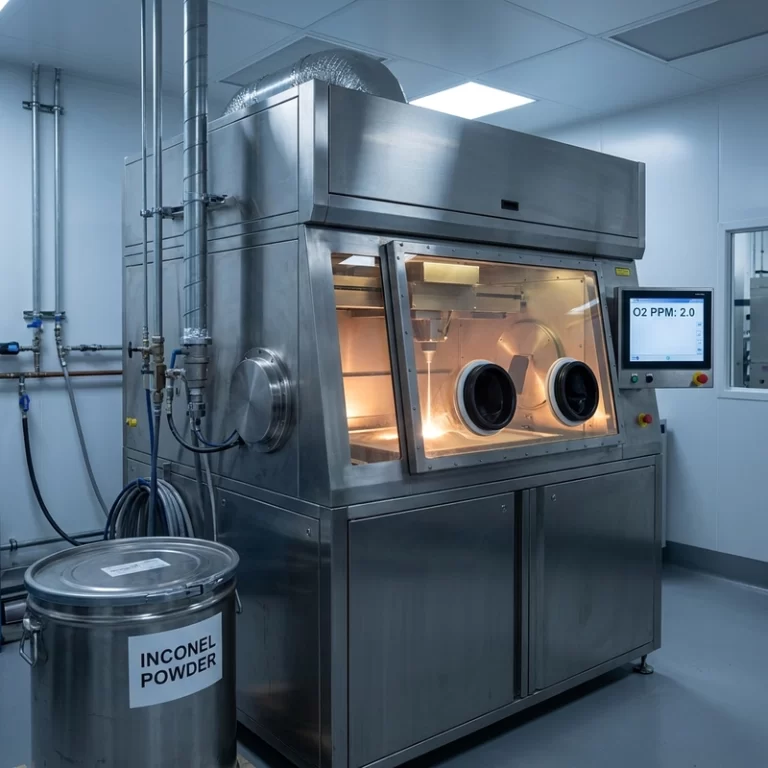
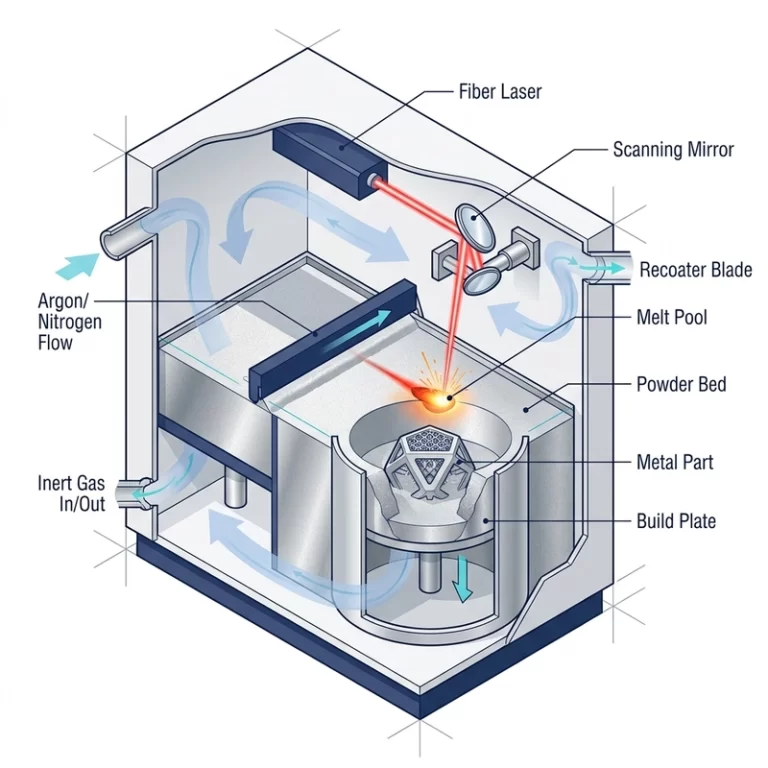
Titanium reacts readily with oxygen and nitrogen at high temperature. That is why SLM titanium builds usually run in high-purity argon, with the chamber oxygen level monitored before and during the build. Poor atmosphere control in TC4 titanium SLM 3D printing can contribute to oxidation, spatter, brittle surface behavior, and weaker layer bonding.
The source material included a Ti6Al4V bracket optimization where oxygen was reduced from about 600 ppm to below 250 ppm. I am careful with that number. It is a useful process reference, not a guarantee that every TC4 job must use the same threshold. A buyer should ask whether oxygen is recorded, what alarm limit is used, and whether the supplier keeps the record with the build report.
Gas flow matters too. It has to remove smoke, spatter, and process byproducts without disturbing the powder bed. Too little flow leaves contamination in the build zone. Too much or poorly directed flow can cool the melt pool unevenly or move fine powder. If a titanium part shows rough areas, lack of fusion, or uneven surface color, I would not change laser power first and ignore the atmosphere log.
Supports and preheat decide whether the part survives removal
Ti6Al4V builds carry residual stress because every new layer is heated and cooled against the material below it. Long brackets, thin walls, overhangs, sharp transitions, and large flat sections are common trouble areas. The print may look acceptable on the build plate, then move when supports are cut, or twist during machining.
Preheating the build plate can reduce the temperature difference between the melt pool and the surrounding structure. The source notes commonly used 250-300 deg C preheat for Ti6Al4V, followed by slow cooling in the chamber. Again, I would treat that as process guidance, not a universal prescription. The correct choice depends on machine, alloy powder, part size, support design, and property target.
Support design has two jobs: hold geometry and conduct heat. Too little support lets the part curl, crack, or detach. Too much support creates removal damage, local stress, and extra machining. High-risk titanium areas may use support density around 30-50% in some workflows, with stronger support around edges, holes, and overhangs. The contact point must be strong enough to work, but not so heavy that removing it tears the surface you care about.
This is where design review matters. I would mark overhangs, thin sections, bolt holes, sealing faces, and visible surfaces before the build is planned. Zesmir’s article on metal 3D printing support design goes deeper into the same support-removal tradeoff.
TC4 titanium SLM 3D printing is not finished when the plate cools
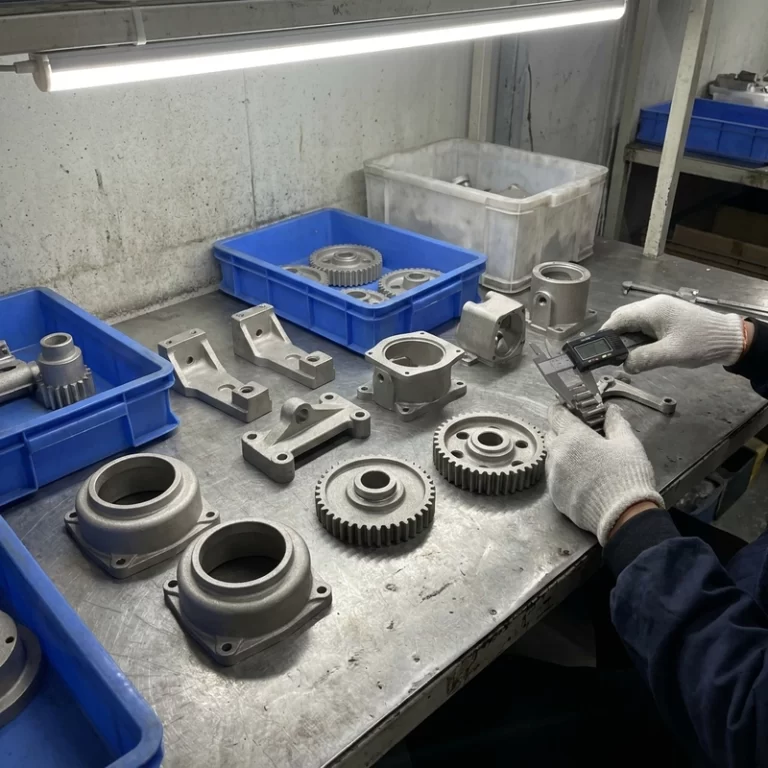
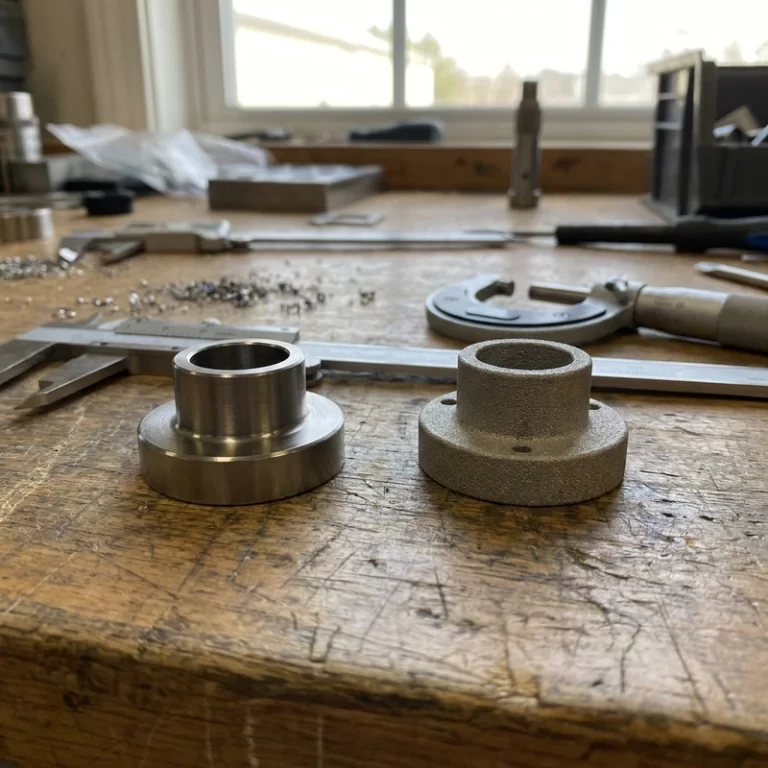
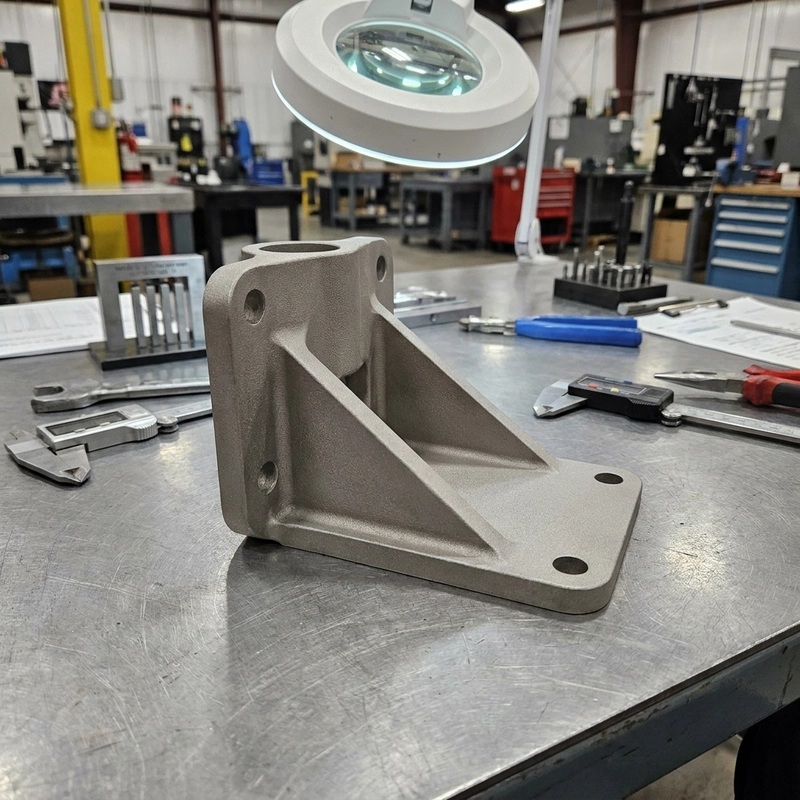
Support removal, wire cutting, stress relief, HIP, CNC finishing, blasting, polishing, and inspection all belong in the TC4 titanium SLM 3D printing plan before the quote is approved. If the part needs accurate holes, threads, bearing seats, sealing surfaces, or assembly datums, I would not rely on as-printed surfaces. Those zones should be marked for machining or at least measured separately.
Heat treatment and HIP cannot rescue every bad build
Stress relief is commonly used before aggressive support removal or machining. One Ti6Al4V workflow in the source material used about 650 deg C for 2 hours. Higher-demand parts may also use hot isostatic pressing, or HIP, to help close internal pores and microcracks. A referenced titanium workflow used about 920 deg C, 100 MPa, and 2 hours, with density reported near 99.8% after process optimization.
That last phrase matters: after process optimization. HIP is not magic. If the build has severe lack of fusion, wrong geometry, excessive oxidation, or a bad support plan, heat treatment does not turn it into a qualified part. I think of heat treatment in TC4 titanium SLM 3D printing as part of a stable route, not a patch for uncontrolled printing.
For more on what happens after printing, see the Zesmir draft on metal 3D printing post-processing. For the defect side of the same problem, SLM metal 3D printing defects is a useful companion article.
| Control point | Reference from the source notes | How I would use it |
|---|---|---|
| Powder size | Often around 15-45 microns for LPBF | Check against machine and powder supplier specification |
| Powder drying | About 120 deg C for 3 hours in one workflow | Use supplier datasheet and moisture risk to set the real cycle |
| Chamber oxygen | One Ti6Al4V case reduced about 600 ppm to below 250 ppm | Ask for recorded oxygen logs and alarm limits |
| Preheat | 250-300 deg C appears in source guidance | Use for residual-stress control, not as a copied universal setting |
| Stress relief | About 650 deg C for 2 hours in one Ti6Al4V workflow | Plan before heavy support removal or machining |
| HIP | About 920 deg C, 100 MPa, 2 hours in one source case | Consider for high-risk internal integrity requirements |
Inspection should match the risk, not the material price
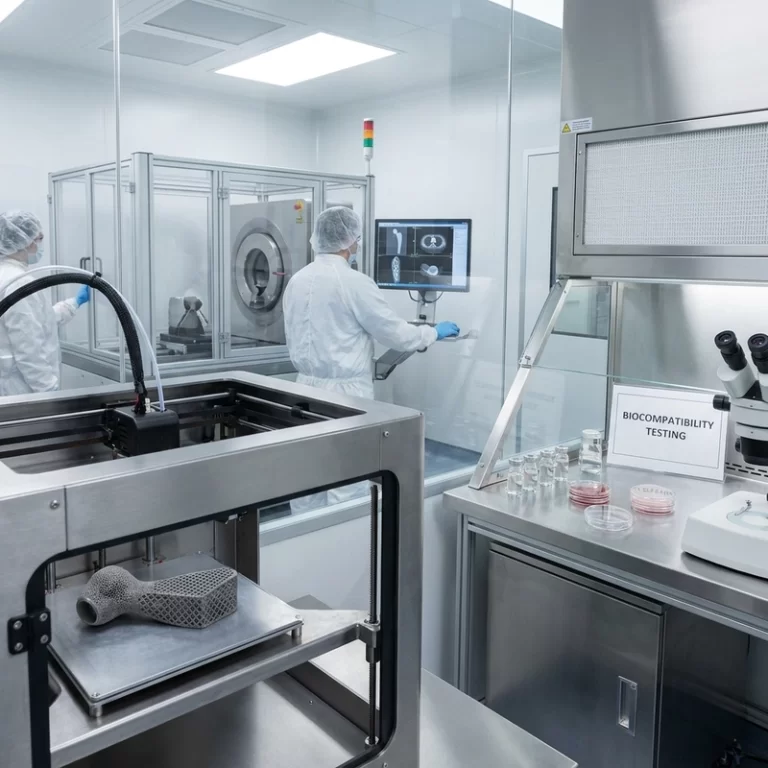
Visual inspection is not enough for fatigue-loaded brackets, moving assemblies, pressure-related parts, or medical-style prototypes. Depending on the part, inspection may include dimensional measurement, density checks, metallographic cross-section, CT, tensile coupons, hardness, surface roughness, or local CNC verification. Not every prototype needs the whole menu. The point is to choose inspection based on failure risk, not on habit.
Public resources from NIST additive manufacturing are useful for neutral terminology and measurement context. They do not replace the drawing, material standard, or process qualification for a specific titanium part.
For an RFQ, I would send the alloy requirement, STEP file, drawing tolerances, quantity, post-processing needs, inspection level, and a clear mark-up of critical surfaces. TC4 titanium SLM 3D printing can make light, strong, difficult geometry, but the buying decision should be made around powder, atmosphere, supports, heat treatment, and inspection. If those are missing from the quote, the cheapest number is not the real cost.