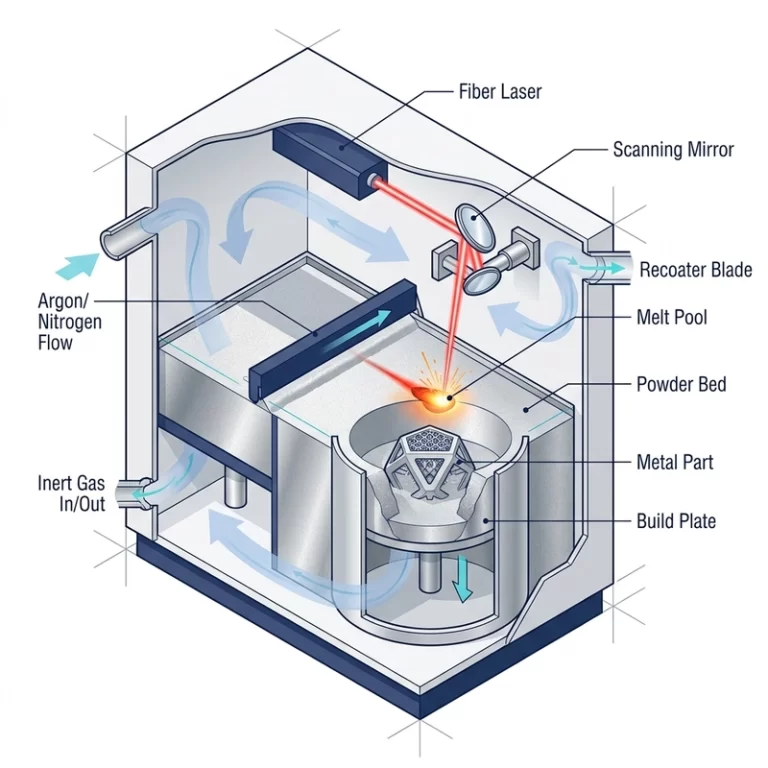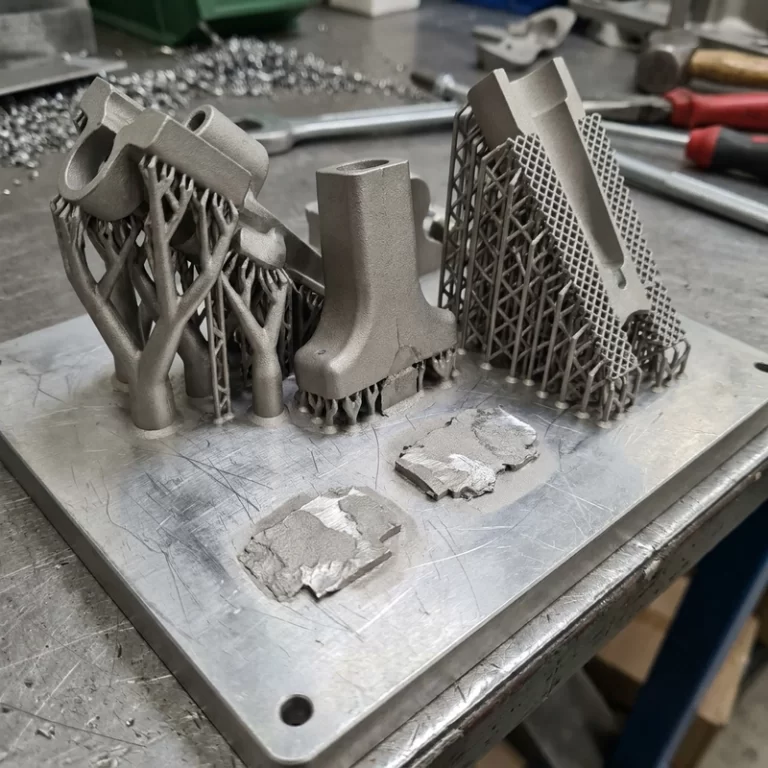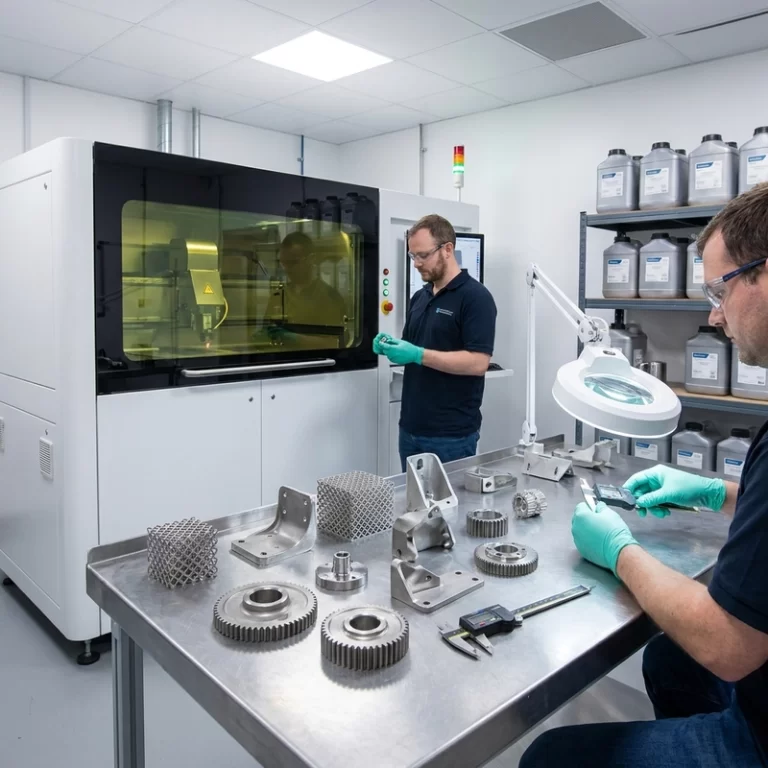
SLM vs binder jetting metal 3D printing is a route decision, not a brand preference. SLM melts metal powder with a laser during the build. Binder jetting prints a binder into metal powder, then the part is cured, depowdered, and sintered. Those two routes create very different risks.
I do not ask which one is “better” until I know the part. Does it need high density, tight features, a low unit cost at quantity, complex internal channels, stainless batch production, or a machined sealing face? The answer changes the process choice.
SLM vs binder jetting metal 3D printing starts with density
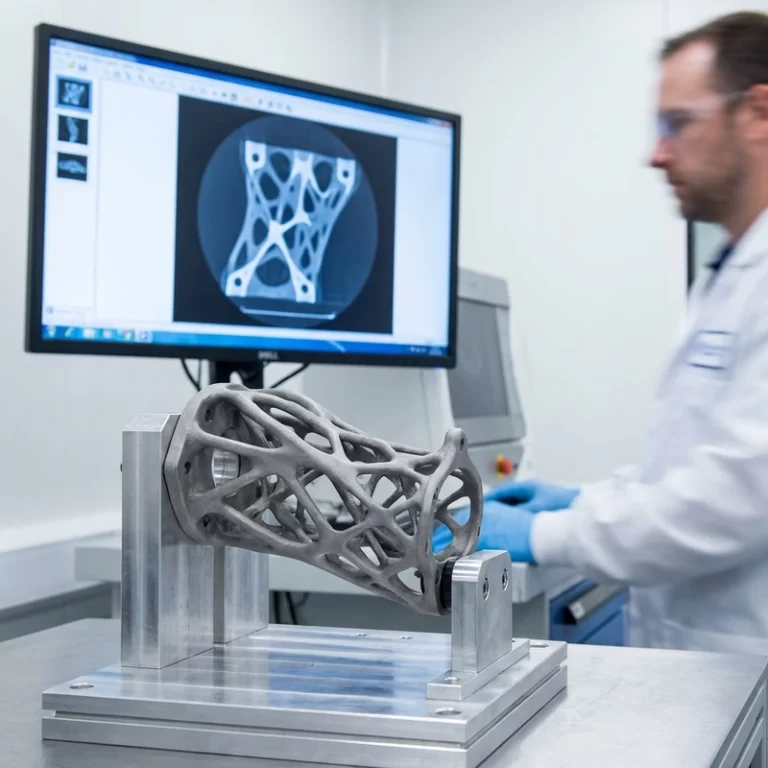
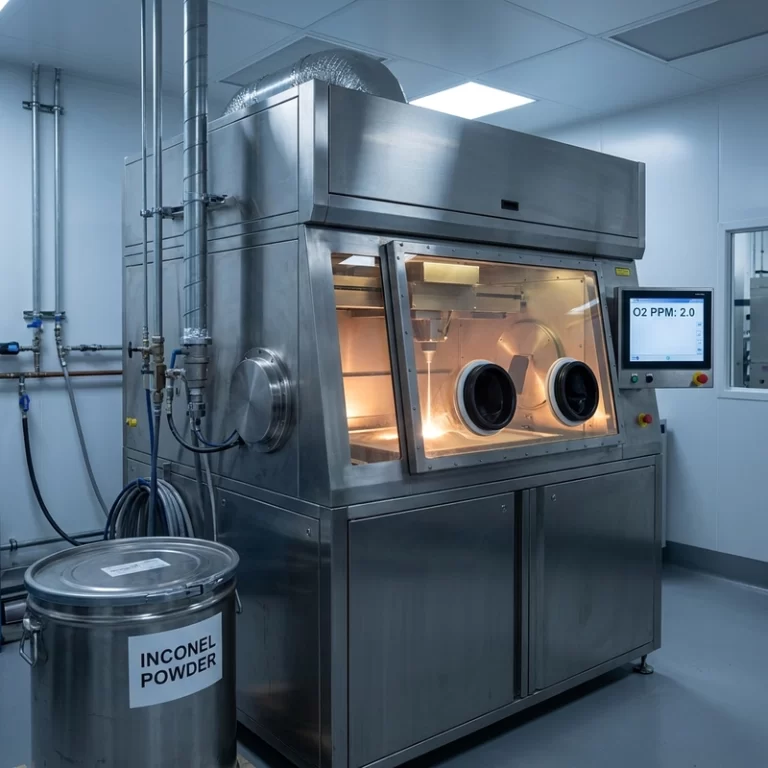
SLM, or laser powder bed fusion, melts powder layer by layer. It is often selected for dense functional metal parts, internal channels, lattice structures, and alloys such as stainless steel, Ti6Al4V, and nickel alloys. The cost is thermal stress, support removal, powder control, heat treatment, and often CNC finishing.
Binder jetting avoids laser melting during printing. It can be productive for batches because a printhead processes powder layers quickly. But the green part is fragile before sintering, and the final part shrinks in the furnace. Density and tolerance depend heavily on sintering and post-processing. The 316L article on binder jetting 316L stainless steel goes deeper into that route.
Tolerance is where the comparison gets practical
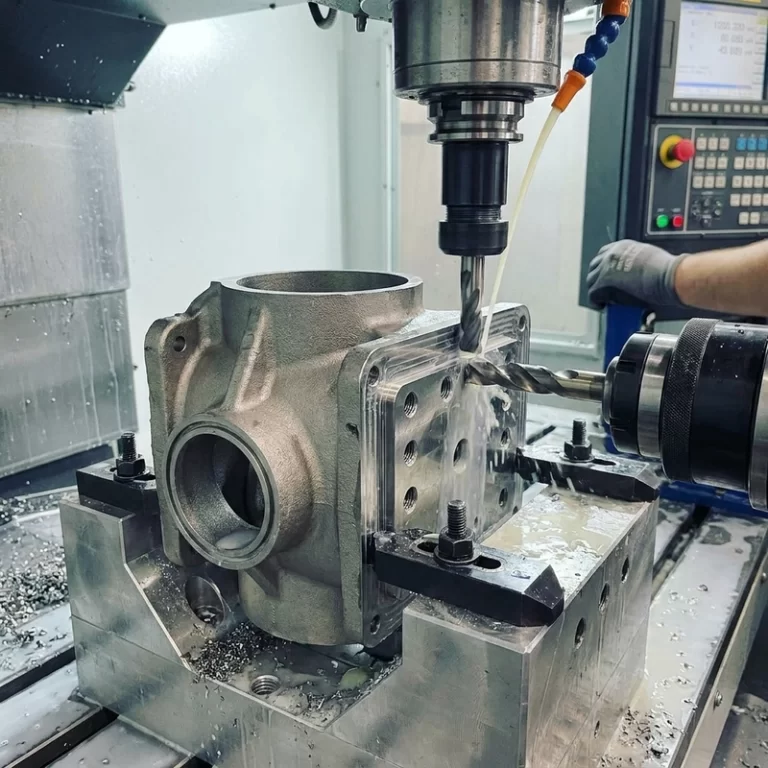
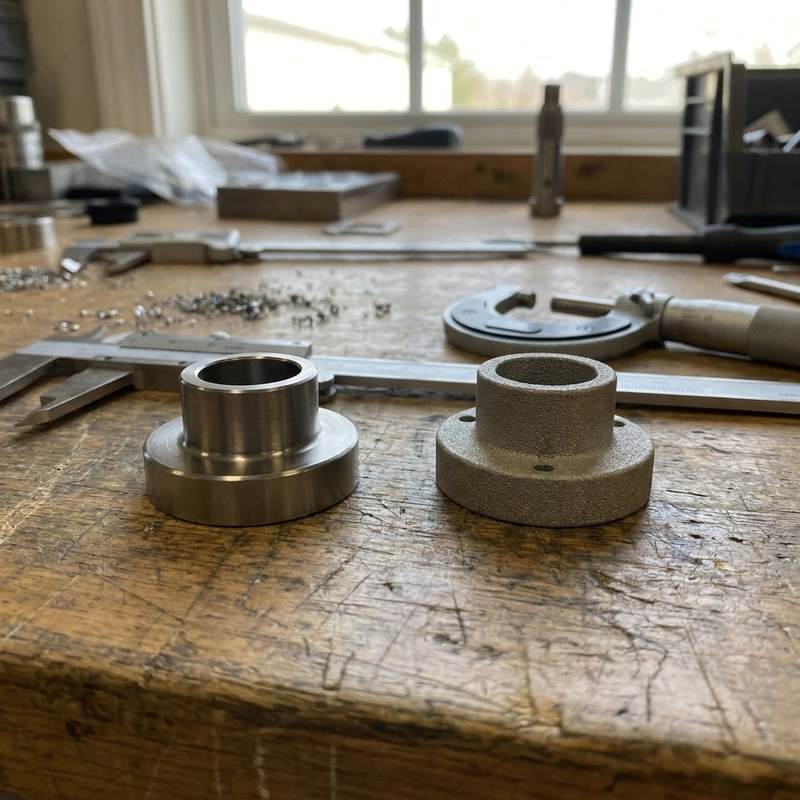
SLM can hold useful geometry, but holes, threads, sealing faces, and bearing seats still often need machining. Binder jetting has the added issue of sintering shrinkage. That shrinkage can be compensated, but it must be proven for the geometry and material. If the final part needs precise interfaces, post-machining belongs in the plan for both routes.
This is why I ask for a manufacturing route, not only a printing route. Print, stress relieve, sinter, HIP, blast, machine, polish, inspect: the order matters. The article on CNC machining after 3D printing is the practical follow-up.
SLM vs binder jetting metal 3D printing for cost
SLM can be expensive for simple shapes because laser time, supports, and stress control add cost. Binder jetting may look attractive for larger batches, especially stainless parts, but sintering, shrinkage control, finishing, and inspection still count. A lower print price does not always mean a lower finished-part price.
I would use SLM when the part needs high density, complex internal metal geometry, or demanding mechanical behavior that the process route can support. I would consider binder jetting when the part is suited to sintering shrinkage, batch productivity matters, and the final requirements do not demand SLM-level properties.
Questions I ask before choosing the metal route
Can the part shrink during sintering without losing its function? Does it need leak-tight behavior? Are there internal channels that must be cleaned? Are the critical surfaces reachable for machining? Will the part be loaded, handled, polished, or only used as a display sample? These questions matter more than the process name.
For SLM, I ask about supports, stress relief, powder quality, and post-machining. For binder jetting, I ask about green-part handling, sintering compensation, density, and finish route. If neither route can meet the requirement cleanly, CNC, casting, or a split assembly may be a better answer.
The finished part should drive the comparison. SLM vs binder jetting metal 3D printing can look obvious in a short chart, but real projects are messier. A cheaper green part can become expensive after sintering correction. A dense SLM part can become expensive after support removal and machining. The quote should show that full route.
Surface finish is a good example. SLM may leave support scars and a laser-melted texture. Binder jetting may leave a sintered matte texture. Both can need blasting, polishing, machining, or coating depending on the part. If the buyer only compares printed surfaces, the conclusion will be incomplete.
Material availability also matters. Not every alloy is equally mature in both processes. A stainless part may be a good binder jetting candidate, while a titanium functional bracket may push the decision toward SLM. I would confirm alloy, property target, finish, and inspection before treating SLM vs binder jetting metal 3D printing as a pure cost comparison.
For a batch, I would approve a route with a pilot part or first article. Measure shrinkage-sensitive features, check finish, and confirm whether the post-processing route can be repeated. One successful demo part is useful, but repeatability is the real decision point.
I also ask what failure would be most expensive. If a binder-jetted part shrinks out of tolerance, the batch may be scrap. If an SLM part warps after support removal, machining may not save it. SLM vs binder jetting metal 3D printing should be judged by the risk that is hardest to recover from.
| Question | SLM tendency | Binder jetting tendency |
|---|---|---|
| High density | Usually stronger candidate | Depends on sintering route |
| Batch stainless parts | Possible but laser-time heavy | Often attractive |
| Shrinkage risk | Thermal distortion | Sintering shrinkage |
| Fine interfaces | Often machined | Often machined after sintering |
| Surface finish | Needs blasting or machining | Needs finishing or polishing |
ISO/ASTM 52900 helps with terminology, but the buyer decision should come from density, tolerance, quantity, finish, and inspection. SLM vs binder jetting metal 3D printing is only useful when the final finished part is being compared, not just the printer.