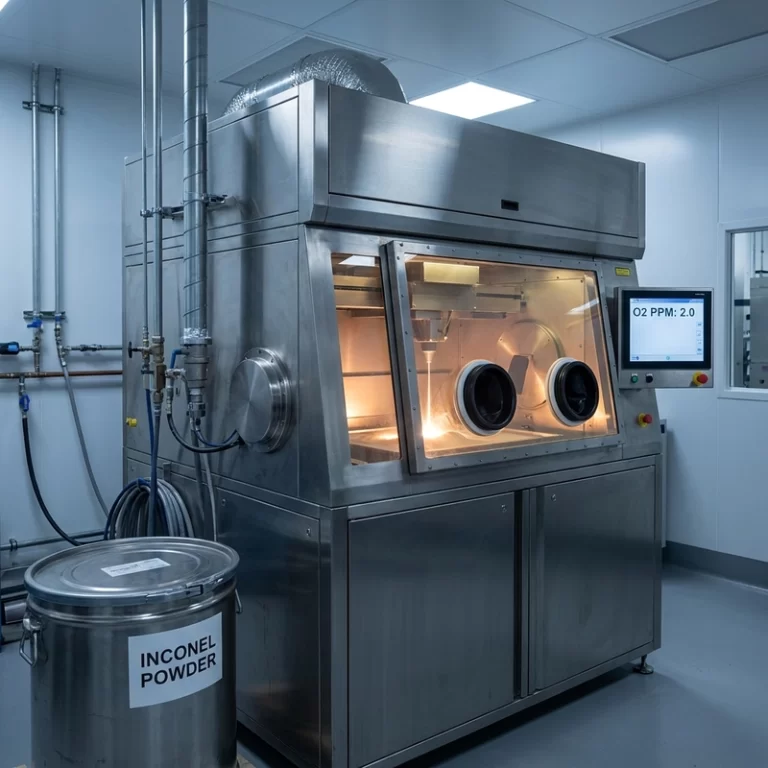
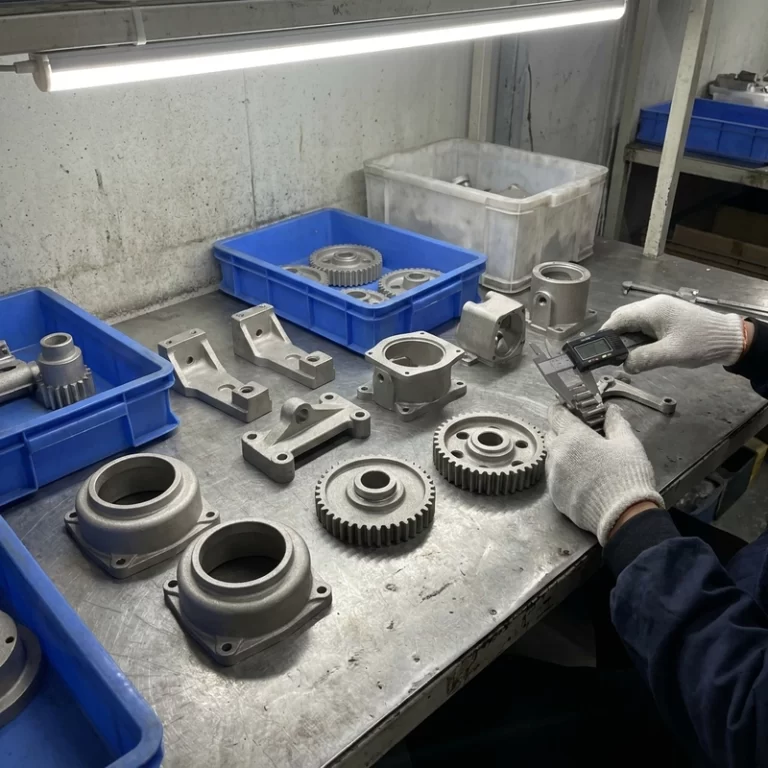
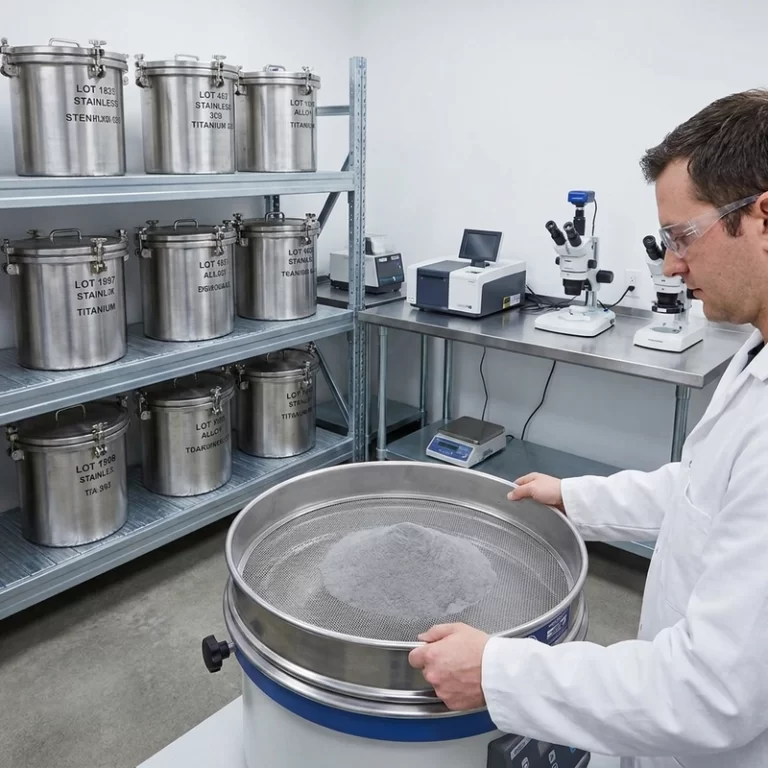
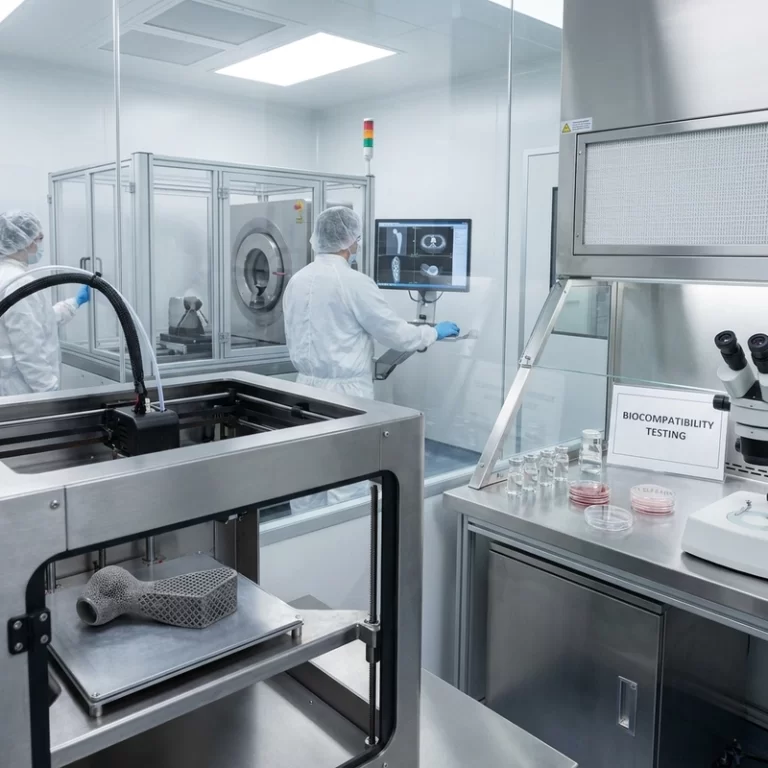
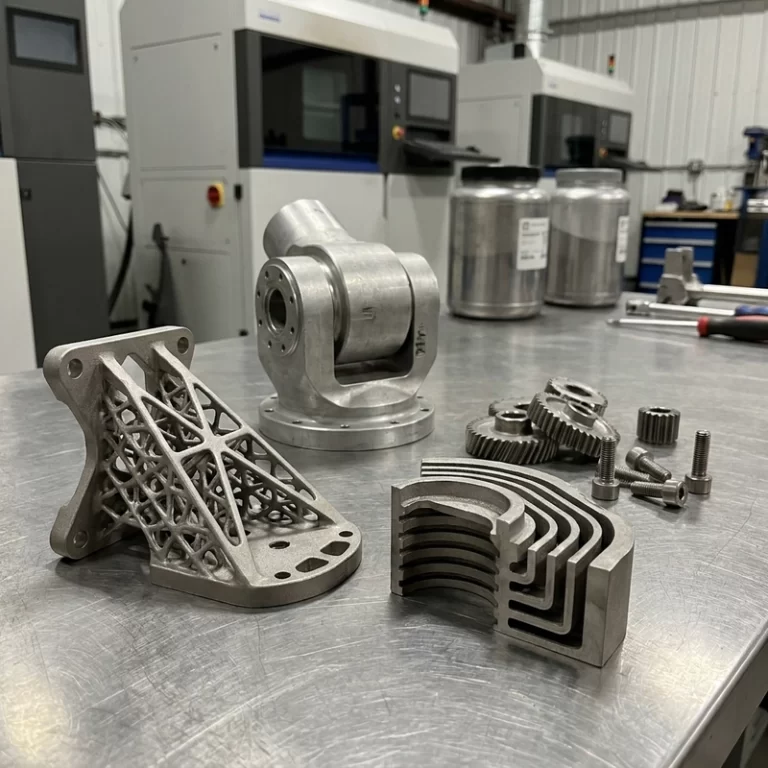
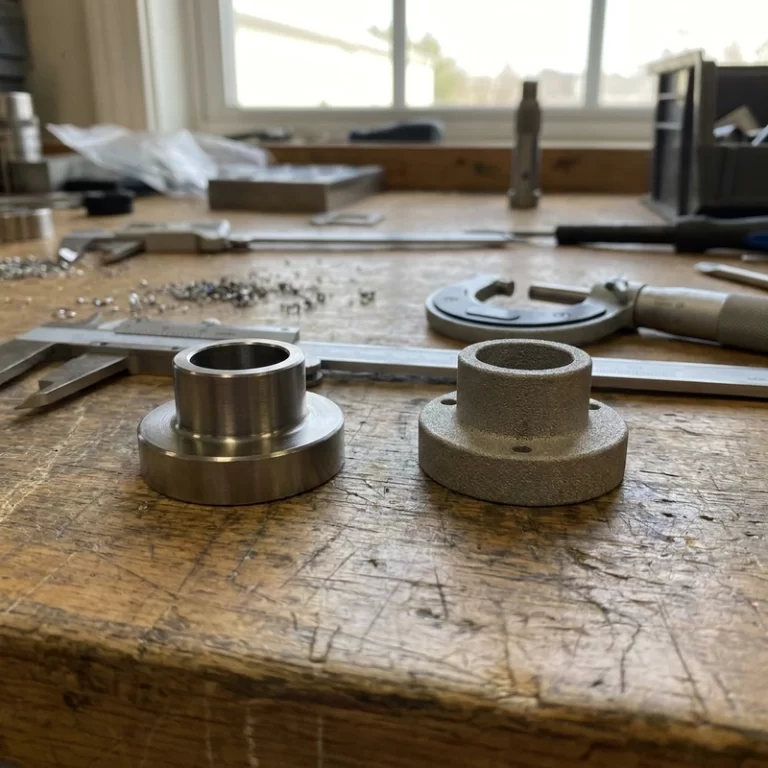
Metal powder preprocessing is a controlled part of the build route. Handling, screening, blending, storage and any permitted conditioning must follow the exact powder specification and equipment procedure. These operations also introduce dust, exposure and fire risks; a general checklist is not an operating instruction.
When I see a metal print with pores, streaky layers, rough surfaces, or inconsistent density, I do not blame the laser first. I ask what happened to the powder before it reached the machine. That quiet preparation step is easy to skip in the quote conversation.
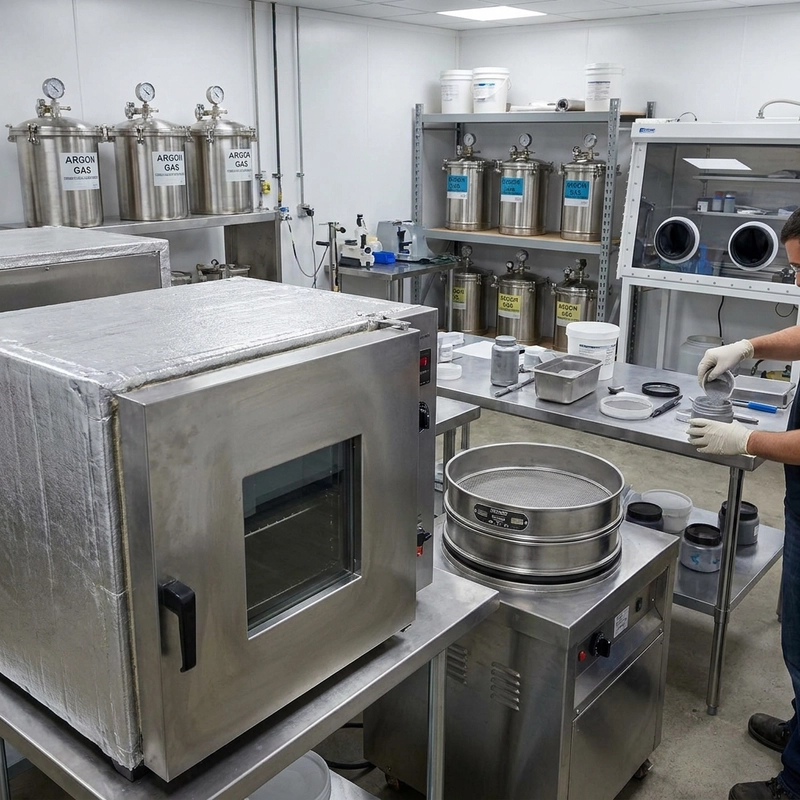
Check Material Condition Before Any Conditioning Step
Review moisture and contamination against the powder specification and build history. Drying is not automatically permitted or required for every powder. Use only a supplier- and equipment-approved conditioning procedure, if applicable; do not copy oven or vacuum cycles for titanium, steel or another alloy from an unspecified example.
Drying also has a handling problem. If powder is dried and then left open in humid air during a long setup, the benefit can fade. I want to know how powder is transferred, how long it sits open, and whether sealed containers or inert storage are used when the alloy is sensitive.
Screening Needs an Approved Powder-Handling Route
Where the process requires screening, specify the approved equipment, screen aperture and handling controls for that powder. Mesh numbers from another workflow are not a substitute for the qualified particle-size and contamination limits.
Recovered powder needs this step even more. It may contain partially fused particles or spatter from the previous build. If those particles return to the bed, they can scratch the recoater, disturb the powder layer, or become local defects. The article on metal 3D printing powder quality covers the buyer-side risk.
Metal powder preprocessing should leave a record
I like simple records: powder lot, drying condition, sieve step, virgin-to-reused blend rule, storage condition, and any oxygen or moisture checks used by the workflow. Without records, it is hard to explain why a second batch behaves differently from the first one.
This matters most for titanium, nickel alloys, and functional stainless parts. A display sample and a load-bearing bracket do not need the same documentation, but the quote should say which level is being supplied. For SLM parameter context, see SLM parameter optimization.
Storage and handling are part of metal powder preprocessing
Good drying and sieving do not help if the powder is handled with dirty tools, left open in humid air, or mixed with another alloy by mistake. I want containers labeled, sealed, and separated by material. Titanium powder, stainless powder, and nickel alloy powder should not share casual handling equipment without a cleaning rule.
Accept, reuse, segregate or discard recovered powder under the approved material-control procedure and acceptance criteria. Do not downgrade suspect powder into another job without assessing that use. Follow the SDS and applicable waste requirements for material removed from service.
For an RFQ, the buyer does not need every shop record, but the buyer can ask whether metal powder preprocessing is controlled for the alloy and application. A prototype bracket, a decorative part, and a pressure-related component should not be treated with the same powder documentation.
The preprocessing route may also differ between SLM and binder jetting. SLM is sensitive to spreading, melt stability, oxygen, and spatter. Binder jetting is sensitive to powder packing, binder interaction, depowdering, and sintering behavior. The same alloy name does not mean the same preparation rule.
Keep powder condition linked to its actual handling and build history. A prior conditioning record is insufficient if later storage, exposure or contamination is unknown. Verify the current material state instead of assuming that a drying date alone proves readiness.
If a part is critical, ask for a process note with the powder lot and reuse status. If it is a rough fit sample, a lighter note may be fine. The important thing is that the level of control matches the risk of the part.
One more detail: preprocessing should happen close enough to the build to matter. A clean sieve record from a previous week is not useful if the powder has been handled badly since then. Metal powder preprocessing should be tied to the actual build, not kept as a generic shop claim.
For repeat orders, I would keep the same preprocessing checklist beside the approved sample record.
| Step | Risk it reduces | What to confirm |
|---|---|---|
| Condition review / approved conditioning if applicable | Moisture-driven porosity | Permitted method, acceptance criteria and subsequent handling |
| Sieving | Clumps and oversized particles | Mesh or screening rule |
| Blending | Reuse inconsistency | Virgin/reused powder ratio |
| Storage | Humidity and contamination | Sealed or inert handling |
| Records | Untraceable batch drift | Lot and reuse history |
For powder-specific hazards, consult the exact supplier SDS; the EOS Ti64 Grade 5 / Grade 23 SDS is one manufacturer example. It is not a universal powder specification. Keep handling, storage, screening and reuse records with the actual build.