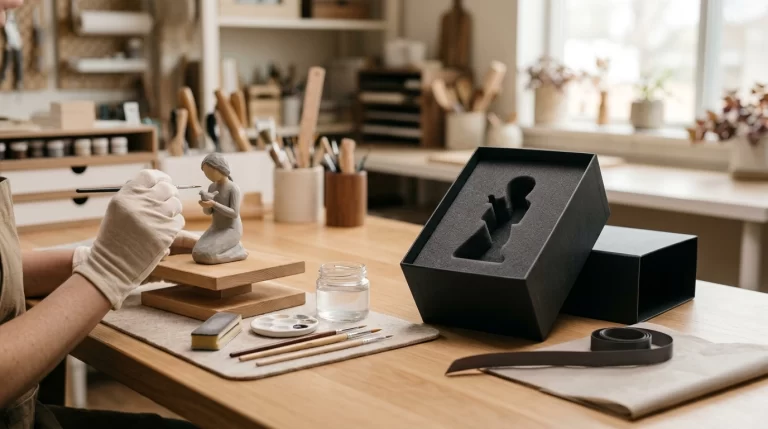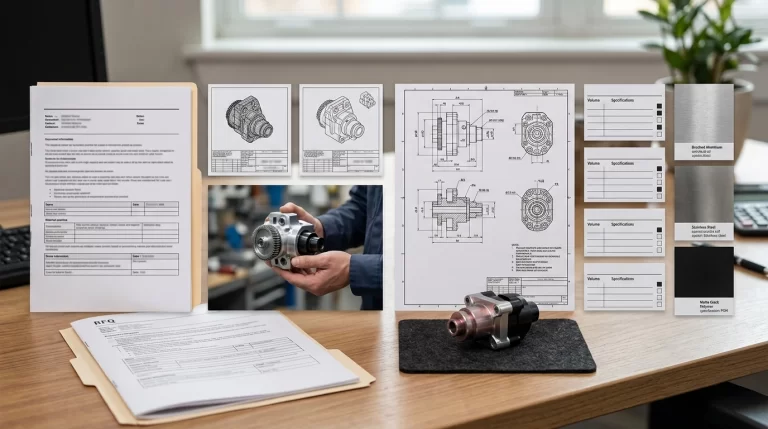
Tourist souvenir 3D printing fits small-batch products that need local shape, cultural detail, limited editions or fast design updates. Museum shops, travel gift stores and event sellers often need products that feel specific to a place. A generic mold route can be too slow or too expensive for that.
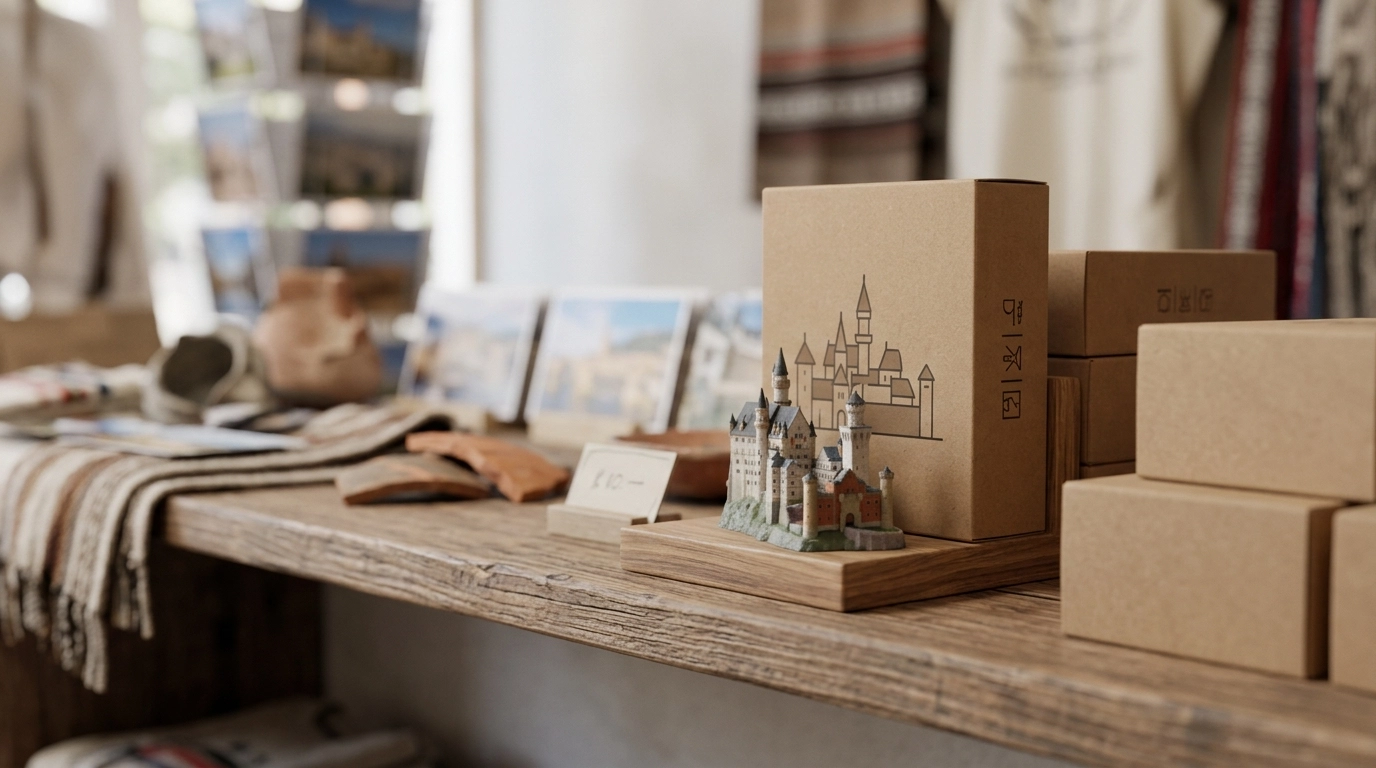
The important caution is authorization. If the product uses a protected artwork, character, monument design, museum object or brand mark, the buyer should have permission. Manufacturing can make the object, but it should not create rights that the buyer does not have.
Tourist Souvenir 3D Printing Works for Local Detail
Landmarks, mascots, cultural objects, small sculptures, relief maps and limited seasonal gifts can all suit 3D printing. The benefit is design flexibility. A shop can test a small quantity, adjust scale or packaging, then reorder without committing to a large mold run.
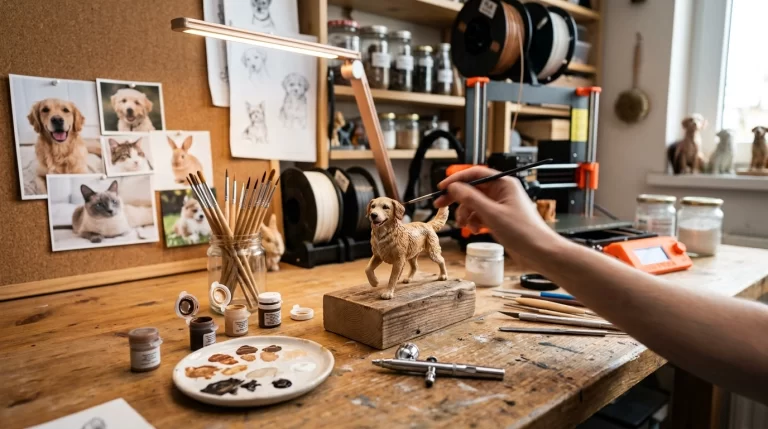
For color options, compare WJP full-color resin 3D printing with multi-color 3D printing comparison. Full-color may suit detailed souvenirs, while painted resin may suit premium limited pieces.
Durability and Surface Decide Retail Fit
A souvenir is handled, boxed, shipped and displayed. Thin spires, tiny letters, delicate animal legs and long unsupported features may break. Matte surfaces may hide handling marks. Glossy finishes can look premium but show scratches. A base can make the part stronger and easier to label.
Surface texture matters for perceived value. 3D printing surface roughness explains why raw process texture should be considered before choosing a finish.
Tourist Souvenir 3D Printing Needs Reorder Records
If the first batch sells, the shop will want the second batch to match. Keep file version, size, material, finish, color reference, packaging and approved sample photos. A small change in scale or paint can be visible when products sit together on a shelf.
The Smithsonian 3D project is a useful public reference for cultural 3D digitization and object viewing. For tourist souvenir 3D printing, the production rule is simple: respect rights, approve the sample, protect fragile details and keep records for reorder consistency.
Tourist Souvenir 3D Printing and Packaging Style
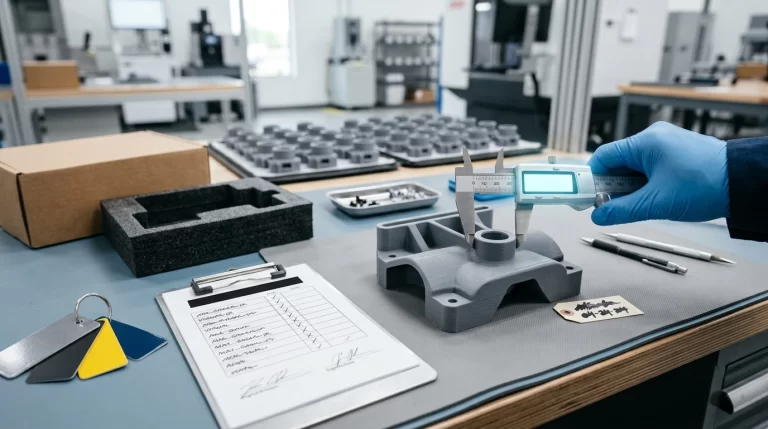
Packaging should match where the souvenir is sold. A museum shop may want a clean box with object description. A tourist stand may need faster packing and lower cost. A premium cultural gift may need foam insert and printed card. The same printed model can feel cheap or valuable depending on packaging.
Color proofing is also important. A landmark model, museum object or mascot can look wrong if color shifts too far from the reference. For full-color printing, send texture files and approve a proof. For painted resin, approve paint sample and finish level. The visual standard should be set before the shop orders shelf quantity.
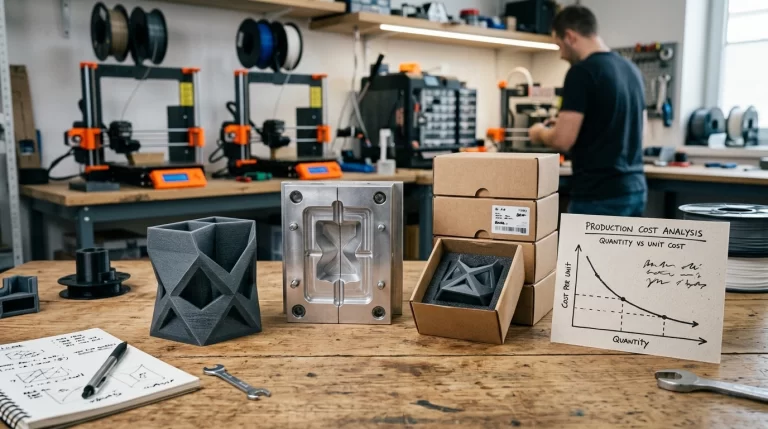
Tourist souvenir 3D printing gives buyers room to test local products without heavy tooling. The smart use is not to print everything, but to print the products that need local detail, limited quantity, fast update or a shape that standard sourcing cannot easily provide.
For museums and cultural shops, story cards can add value. A small printed object with a short description, location name or object background feels more intentional than an anonymous miniature. The card also protects the product from becoming a generic decoration.
Tourist souvenir 3D printing should be tested with a small batch first. Put the product on a shelf, check how customers handle it, watch which colors sell and review packaging damage. The next batch can then adjust scale, base, color or box without wasting tooling money.
Rights and source material should be checked early. A public landmark may still have restrictions on logos, museum objects, mascots or licensed characters. A supplier can help manufacture the product, but the buyer should confirm permission for the design before a batch is made.
Tourist souvenirs also need shelf logic. A model that looks impressive alone may be too large for the shop. A tiny model may lose detail. A set of small landmarks may sell better than one complicated object. The best 3D printed souvenir is not always the most detailed one; it is the one that fits the shelf, price and story.
For repeat tourism seasons, keep the product family organized. File version, city name, base style, color, packaging card and reorder quantity should be easy to find. Tourist souvenir 3D printing becomes valuable when a shop can refresh local designs without rebuilding the whole supply chain every season.
Material should match the selling environment. A souvenir placed near a sunny window, handled by many customers or carried in luggage may need stronger geometry and tougher coating than a display-only miniature. A fragile landmark spire may look accurate, but it will not help the shop if customers break it while browsing.
Tourist souvenir 3D printing can also support limited editions. A seasonal color, anniversary base or local event version can be produced without committing to a mold. The buyer still needs records, because limited editions become messy when the second batch cannot match the first one.
Price testing should stay practical. Try one or two sizes before building a full catalog. A small souvenir that sells steadily can be more valuable than a large showpiece that customers admire but do not buy.