Custom 3D portrait figurines for gift brands and souvenir shops are not the same as one-off novelty gifts. A B2B buyer needs a repeatable product style: clear size options, recognizable face detail, stable material, paint standard, packaging and reorder consistency.
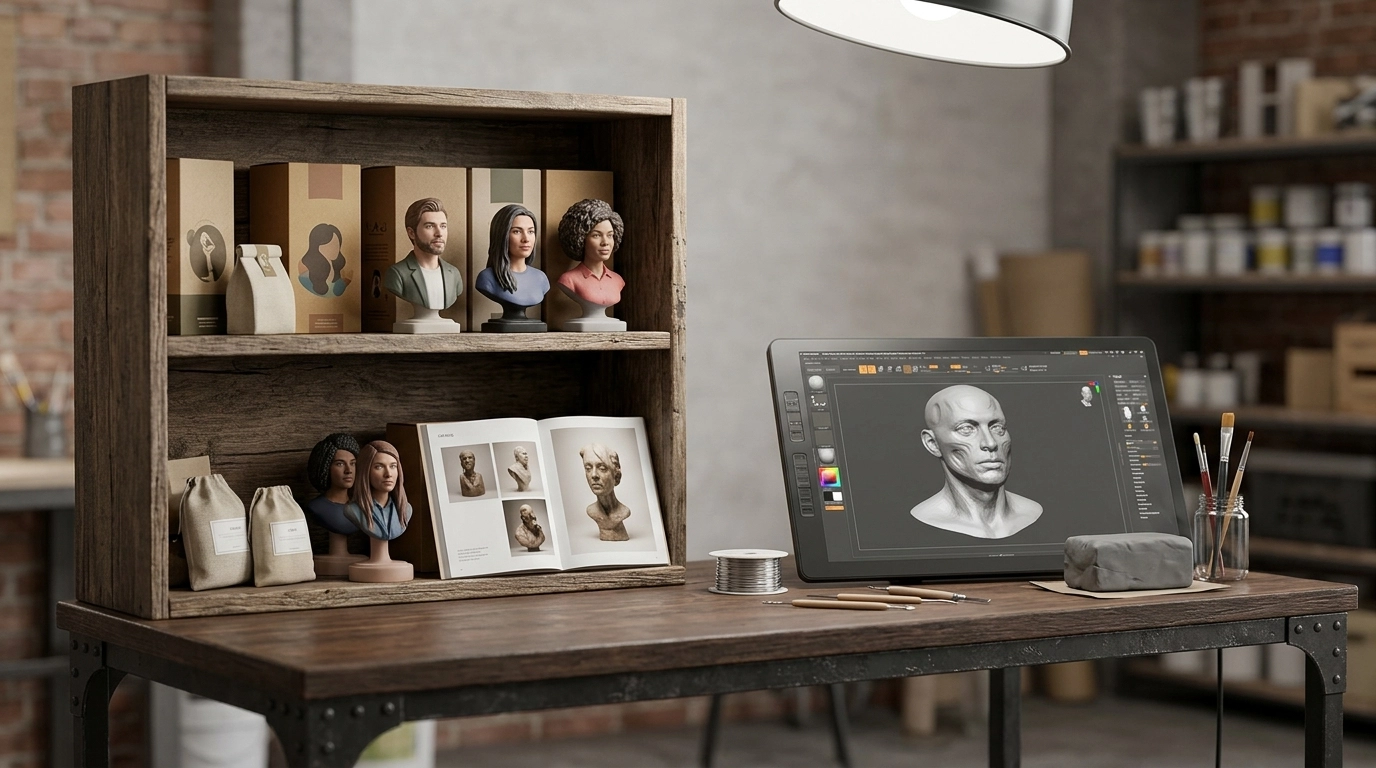
The first question is product format. Is the figurine realistic, Q-style, half-body, full-body, bust, pet-and-owner, wedding style or tourist souvenir? That decision affects modeling time, print height, base design, paint detail and retail price.
Custom 3D Portrait Figurines Need Reference Rules
A brand should define what photos customers need to send. Front, side and full-body references reduce guesswork. Clothing, hairstyle, glasses, hat, pose and base text should be collected before sculpting. If the product relies on customer uploads, the brand needs a simple photo guide, not a long technical document.
For photo-based sculpting, connect this topic with WJP full-color resin 3D printing and multi-color 3D printing comparison when color route is part of the product plan.
Material and Finish Decide the Product Level
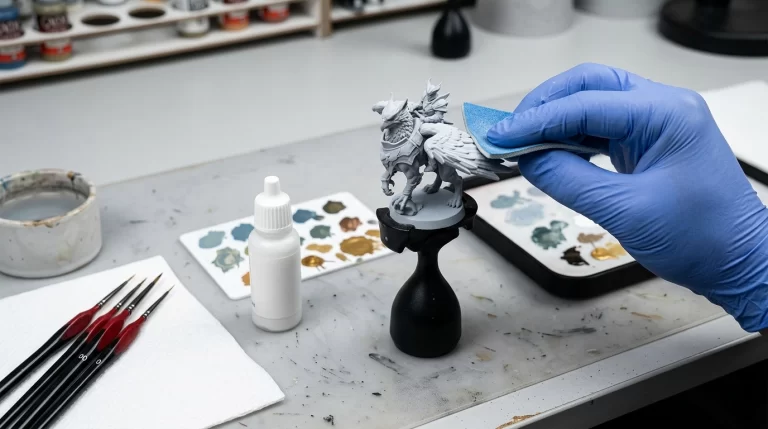
Resin can show good facial and clothing detail, but it needs proper support mark repair and finishing. White resin models can be painted by hand. Full-color printing can reduce painting labor in some cases, but proof samples matter. A souvenir shop product may prioritize speed and price; a premium gift brand may prioritize likeness, paint and packaging.
Resin figurine material explains the tradeoff between detail, painting, yellowing and batch consistency. That is often more useful than talking about resin as one generic material.
Custom 3D Portrait Figurines for Reorders
Reorder consistency matters for B2B buyers. Keep the size options, base style, paint notes, packaging files and approved sample photos. If the brand wants seasonal variants, keep the core style stable and change only the accessories, base text or color scheme.
The Smithsonian 3D project is a helpful public example of separating 3D shape from flat images. For custom 3D portrait figurines, the production rule is practical: define the reference photo standard, approve the product style, and make the finish repeatable before taking bulk orders.
Custom 3D Portrait Figurines Need Product Tiers
A gift brand can make the buying process easier by defining tiers. A simple bust may need fewer photos and less paint time. A full-body realistic figurine needs more reference and a longer approval process. A Q-style souvenir can simplify proportion and reduce detail risk. Clear tiers help customers understand price differences without a long technical explanation.
Packaging should follow the tier. A low-cost tourist souvenir may use a simple box. A premium portrait gift may need foam, printed box and a cleaner unboxing experience. The product is not only the model; it is the model, finish, base and package together.
For Zesmir-style OEM work, custom 3D portrait figurines should be quoted with sample approval and batch production separated. That gives the buyer room to correct likeness and finish before ordering dozens or hundreds of units.
Portrait products also need a clear revision policy. One revision for face shape, one for pose, one for paint may be reasonable. Unlimited revisions can make a small order impossible to manage. The buyer should know which changes are included before the sculpting starts.
For souvenir shops, speed and consistency may matter more than extreme likeness. For premium gift brands, likeness and packaging may justify more approval time. Custom 3D portrait figurines should be positioned according to the selling channel, not only according to what the printer can make.
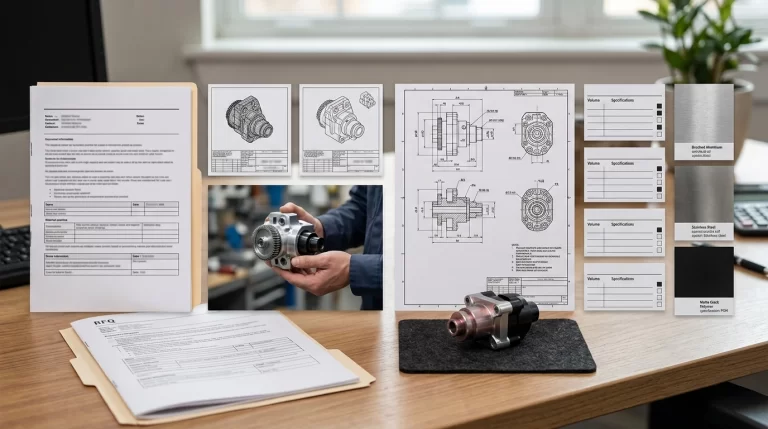
A practical RFQ includes customer photo rules, final height, style tier, base design, quantity, painting level and packaging target. That gives the supplier enough information to quote the product, not just the model.
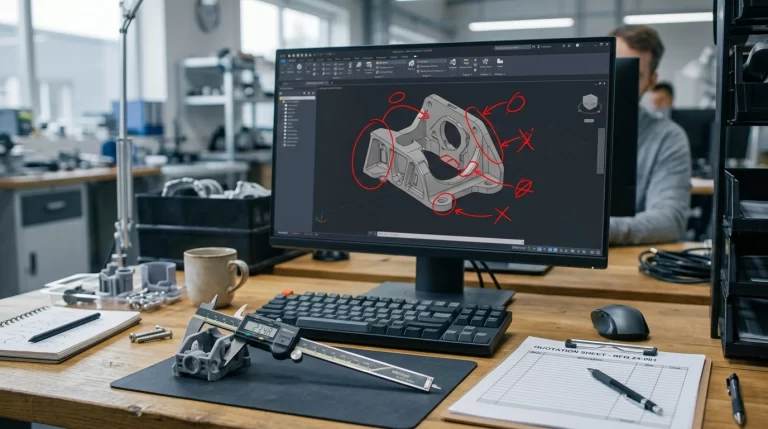
Likeness should be discussed before detail level. A high-detail jacket will not save a portrait if the head shape, eyes, hairline or posture feels wrong. I would rather review a rough sculpt for proportion first, then spend time on clothing folds, accessories and paint.
For B2B programs, decide whether the customer can upload only one photo or whether the order form requires front, side and full-body references. More required photos can reduce conversion, but they usually improve the model. The brand has to choose where it wants the friction: before order or during revision.
Custom 3D portrait figurines also need a size rule. A 60 mm bust, a 120 mm half-body piece and a 180 mm full-body gift do not carry detail the same way. Showing sample photos at each size is more honest than promising the same face quality across every scale.
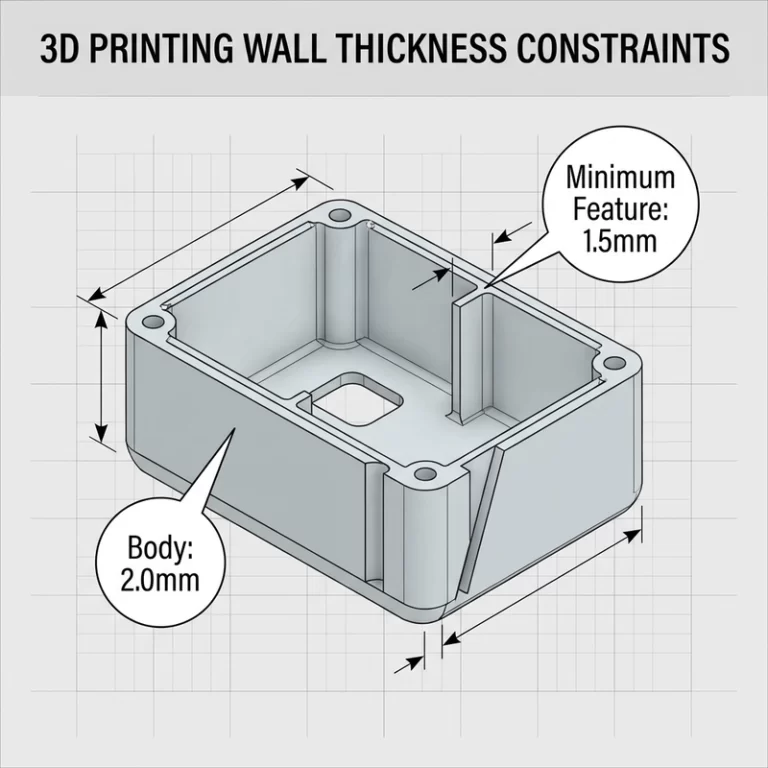
Hair and glasses need early attention. Hair can be simplified into mass and texture, but glasses may need thickening, separate printing or a design compromise. Thin frames that look realistic in a render can break or disappear after finishing. The buyer should know which fine features will be stylized.
When custom 3D portrait figurines are sold as OEM gifts, the brand should decide how much likeness is enough for the price tier. A souvenir-grade portrait and a premium memorial portrait should not use the same approval burden. Matching the promise to the workflow protects both margin and customer trust.