
High-Speed Additive Manufacturing: Fast Motion Is Not Real Throughput
High-speed additive manufacturing should be judged by accepted output after cooling, curing, depowdering, support removal, finishing and inspection.
Global B2B Custom 3D Printing & Prototyping Manufacturing Supplier
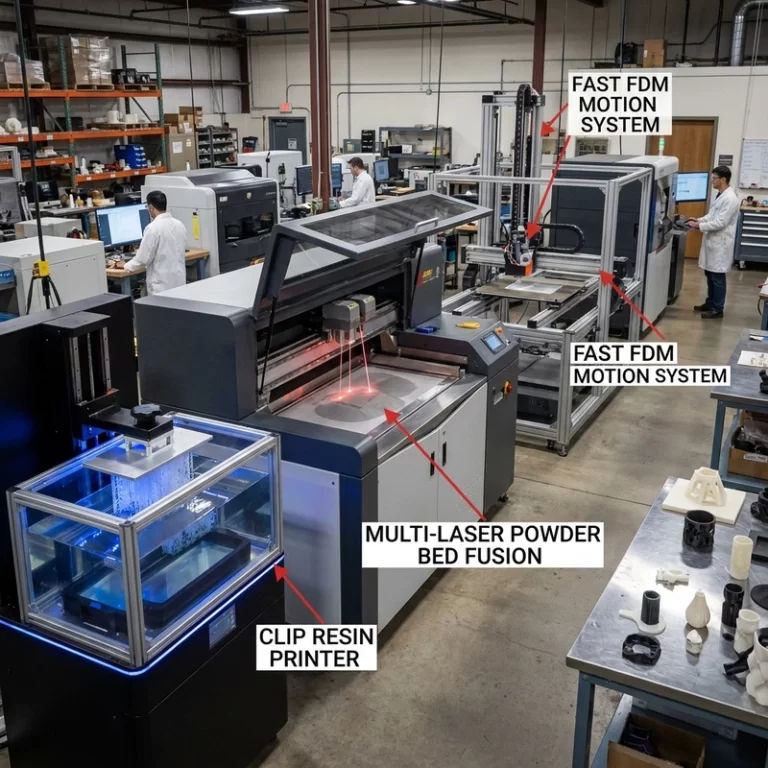
High-speed additive manufacturing should be judged by accepted output after cooling, curing, depowdering, support removal, finishing and inspection.
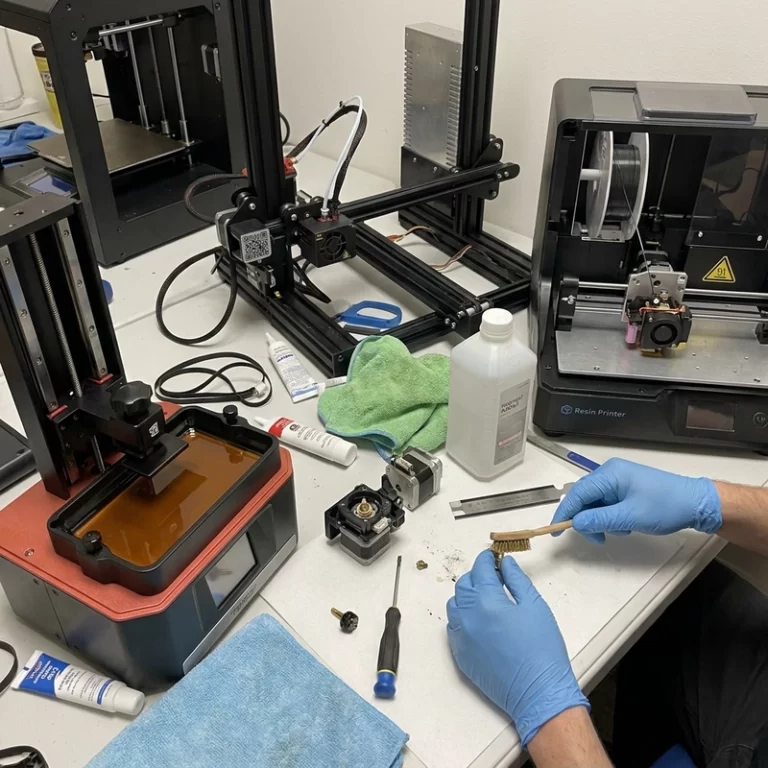
A 3D printer maintenance plan covers nozzles, motion, calibration, resin vats, powder handling, consumables and records before settings get blamed.
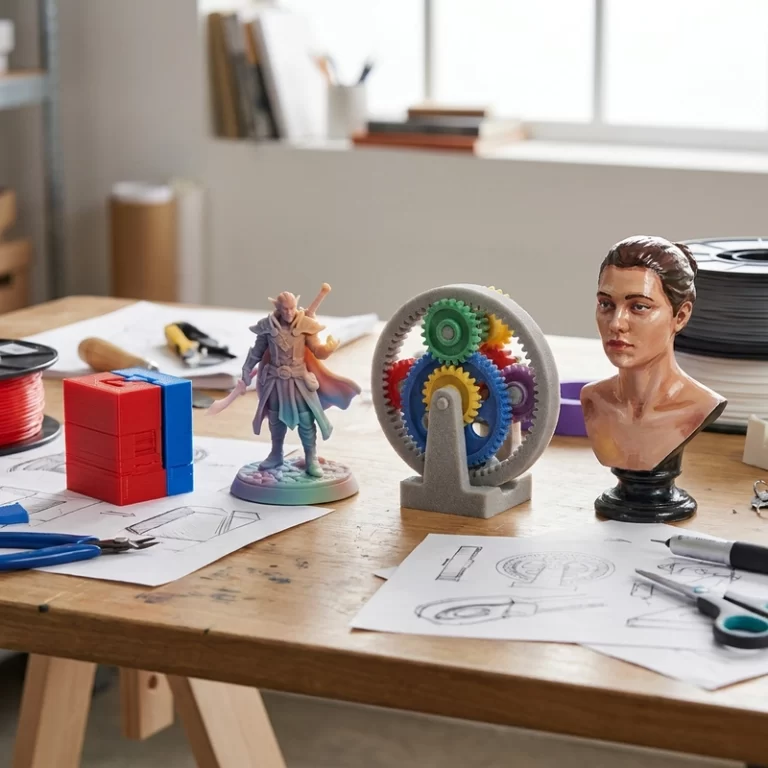
Multi-color 3D printing comparison should weigh FDM, painted SLA, WJP resin, dyed nylon and PAC nylon by color purpose and material limits.

Medical bioprinting 3D printing depends on bioink viscosity, shear stress, temperature control, cell viability testing and clear research limits.
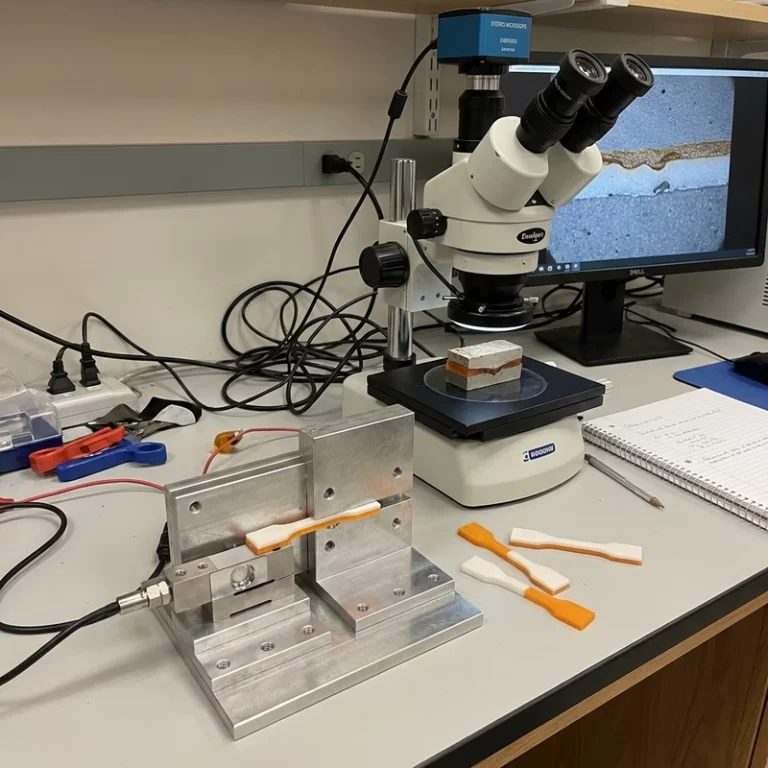
Multi-material 3D printing interface bonding depends on temperature, wetting, stiffness mismatch, overlap geometry, gradient transitions and real peel testing.
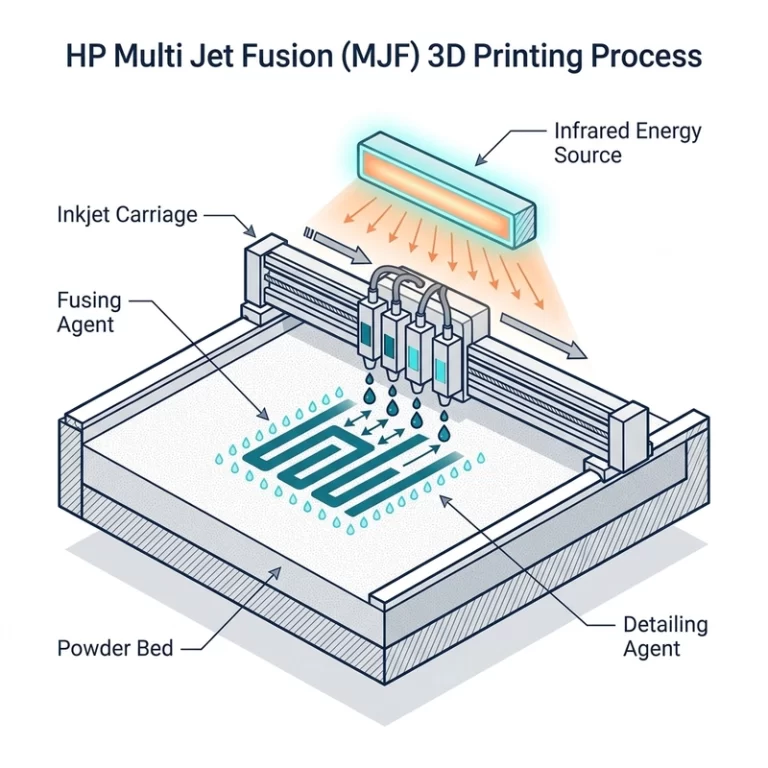
3D printing using MJF can make tough PA12 nylon parts, but powder cleanup, fit, finish and RFQ notes decide whether the batch works.
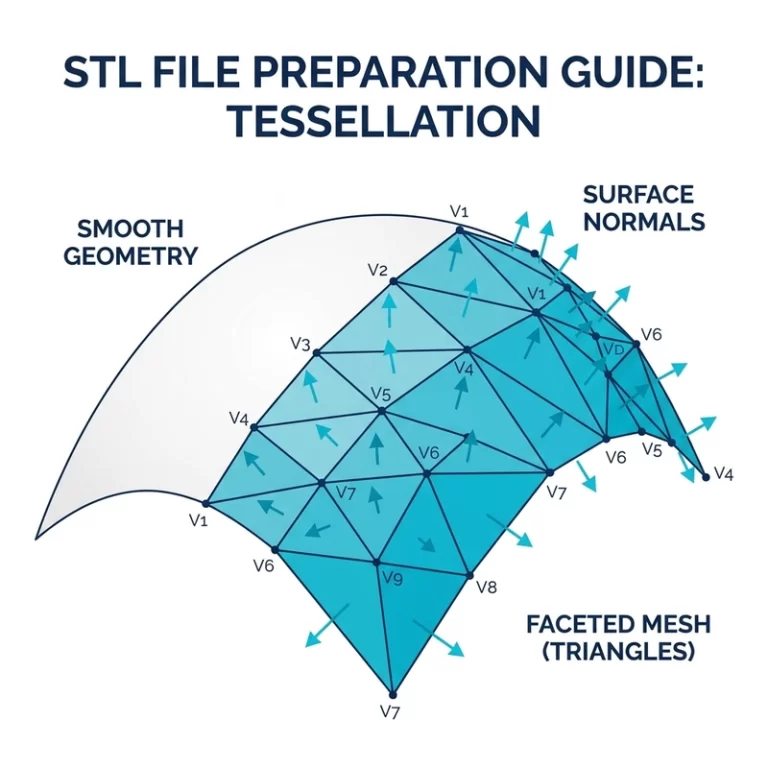
A practical STL file preparation workflow for scale, units, mesh repair, tessellation, thin features, cavities and manufacturing notes.
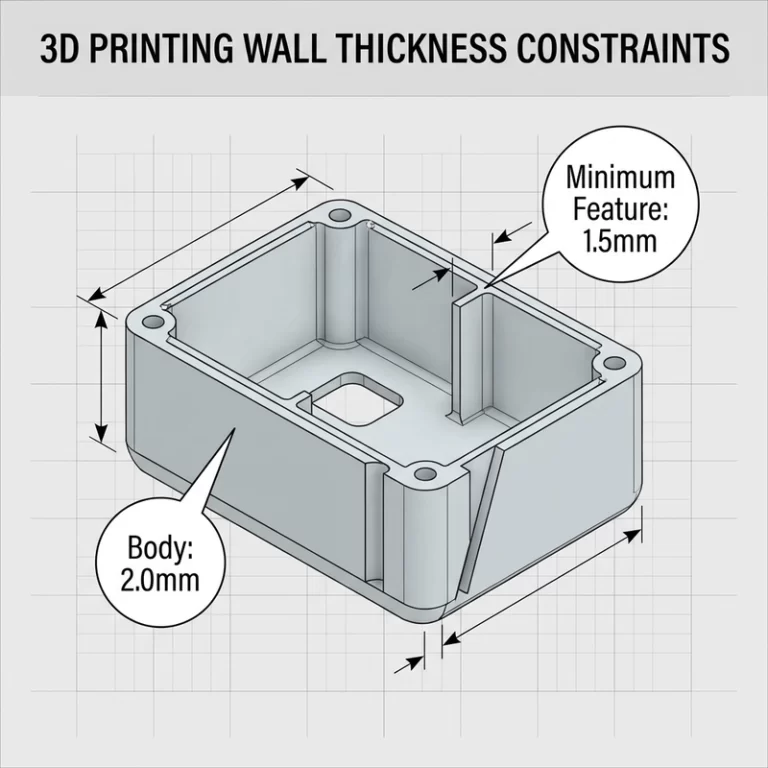
3D printing design guidelines for wall thickness, clearance, support marks, small holes, inserts, material choice and RFQ notes before quoting.
Your cart is currently empty!
Notifications