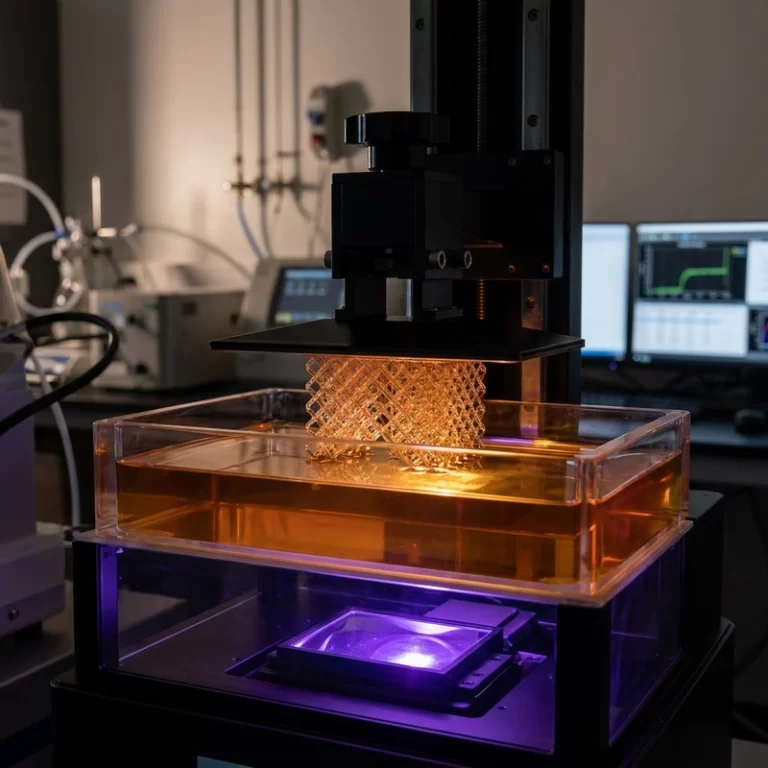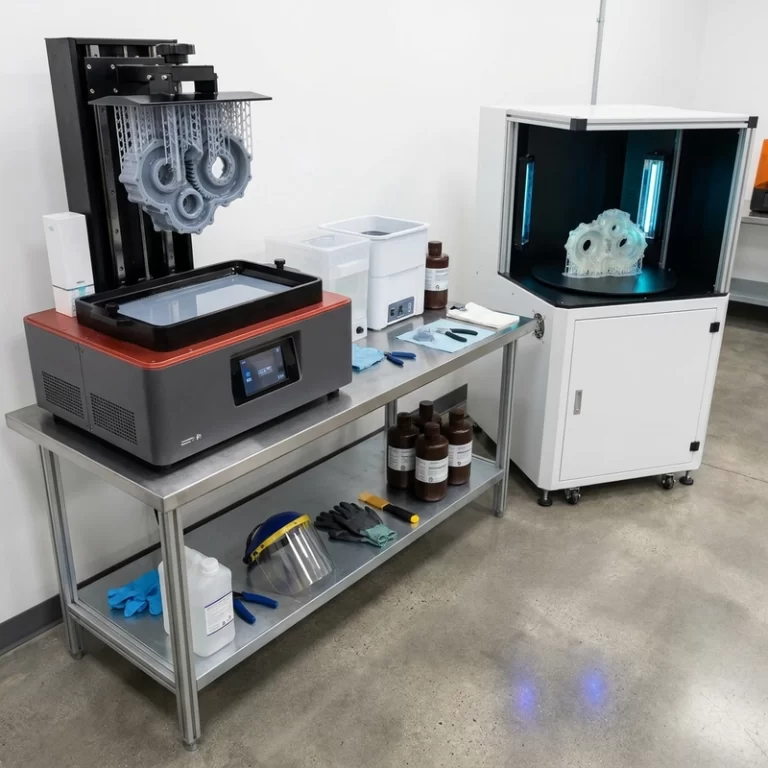
CLIP Resin 3D Printing: 7 Practical Limits Behind Fast Resin Parts
CLIP resin 3D printing uses continuous photopolymerization for speed, but resin choice, geometry, supports, curing and QC still set limits.
Global B2B Custom 3D Printing & Prototyping Manufacturing Supplier
CLIP resin 3D printing uses continuous photopolymerization for speed, but resin choice, geometry, supports, curing and QC still set limits.
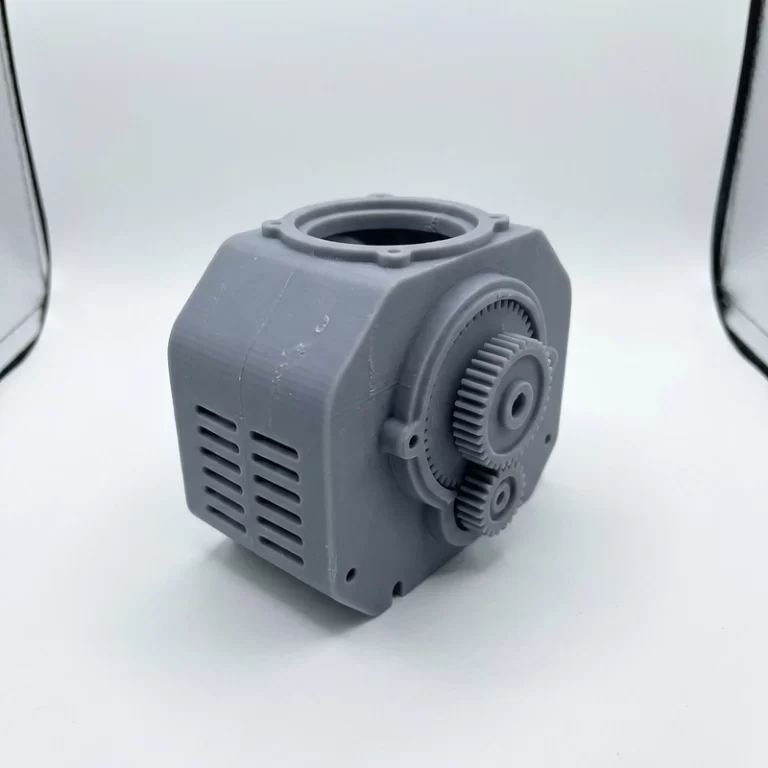
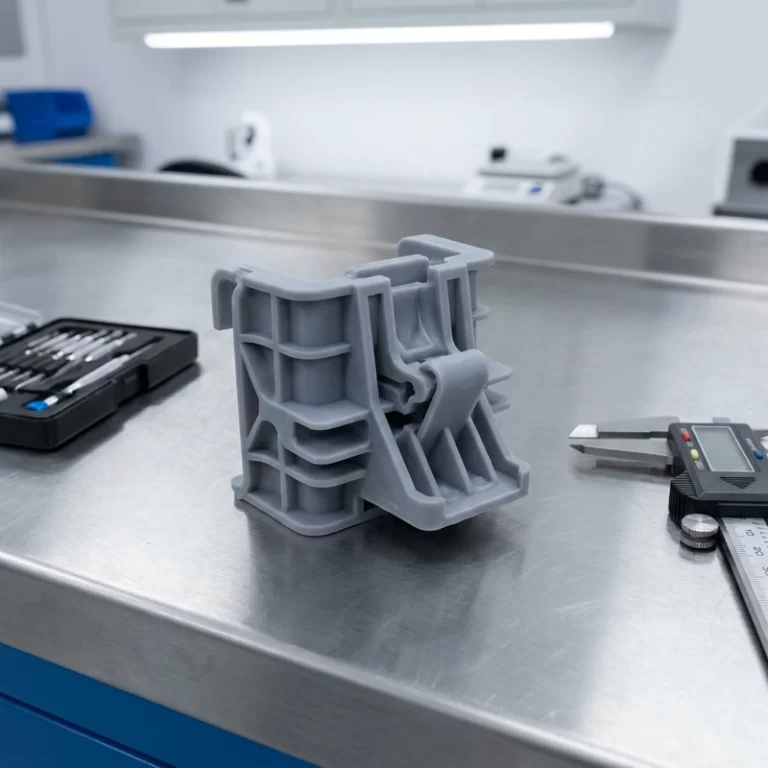
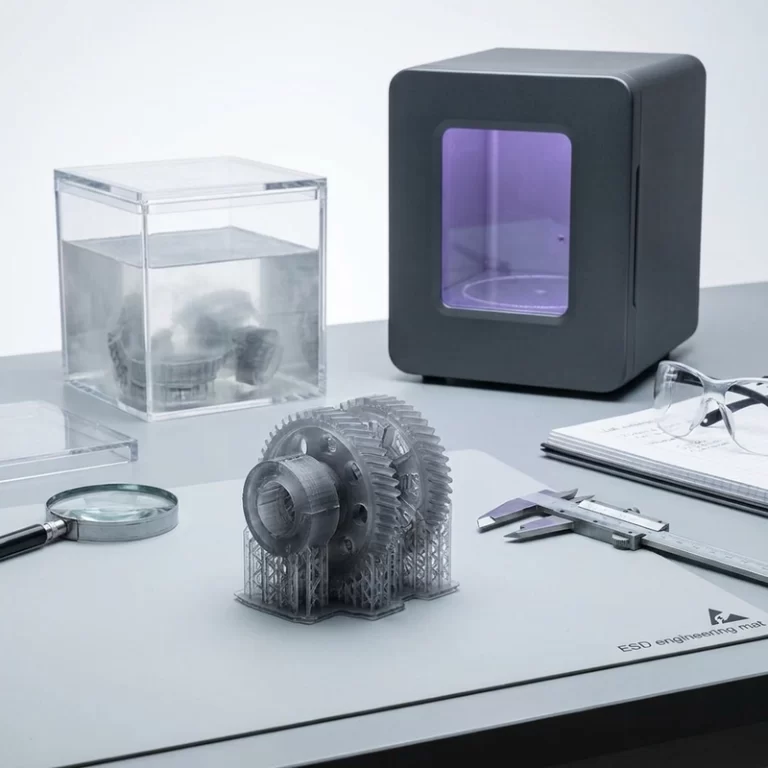
Grey SLA resin helps teams inspect form, support scars, fit and paint preparation, but resin grade, curing and finishing still decide prototype risk.
High-strength SLA resin datasheets lie. Real tensile numbers, snap fit failures, post-curing traps, and geometry rules I learned breaking hundreds of prototypes.
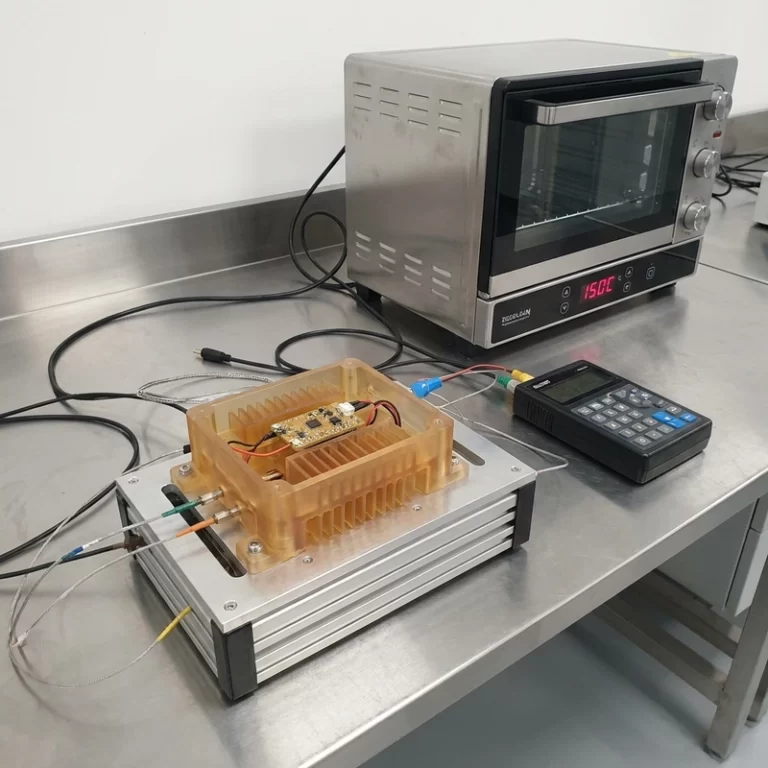
Heat resistant SLA resin datasheets lie by omission. HDT at 0.45 vs 1.8 MPa, post-cure traps, creep failures I learned burning 20+ liters. Don’t trust the headline.
SLA resin 3D printing offers smooth detail, but resin grade, supports, washing, post-curing, brittleness, accuracy and finish must be checked.
Troubleshoot SLA resin sticky surface problems with practical cleaning, IPA, post-curing, exposure, humidity, resin storage and inspection steps.
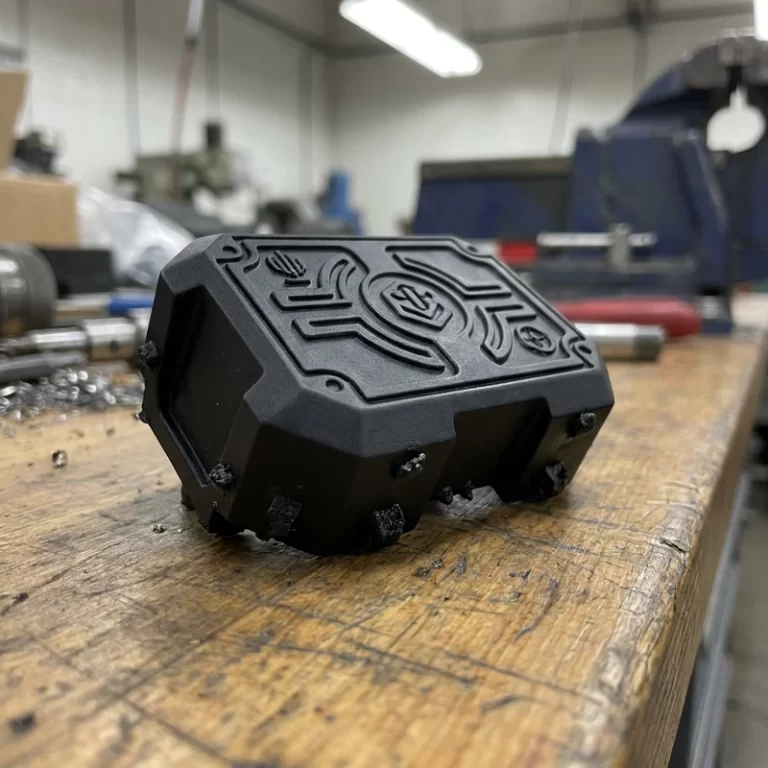
Black SLA resin 3D printing can improve matte appearance, but pigment, exposure, curing depth, support marks and coating must be controlled.
Your cart is currently empty!
Notifications