
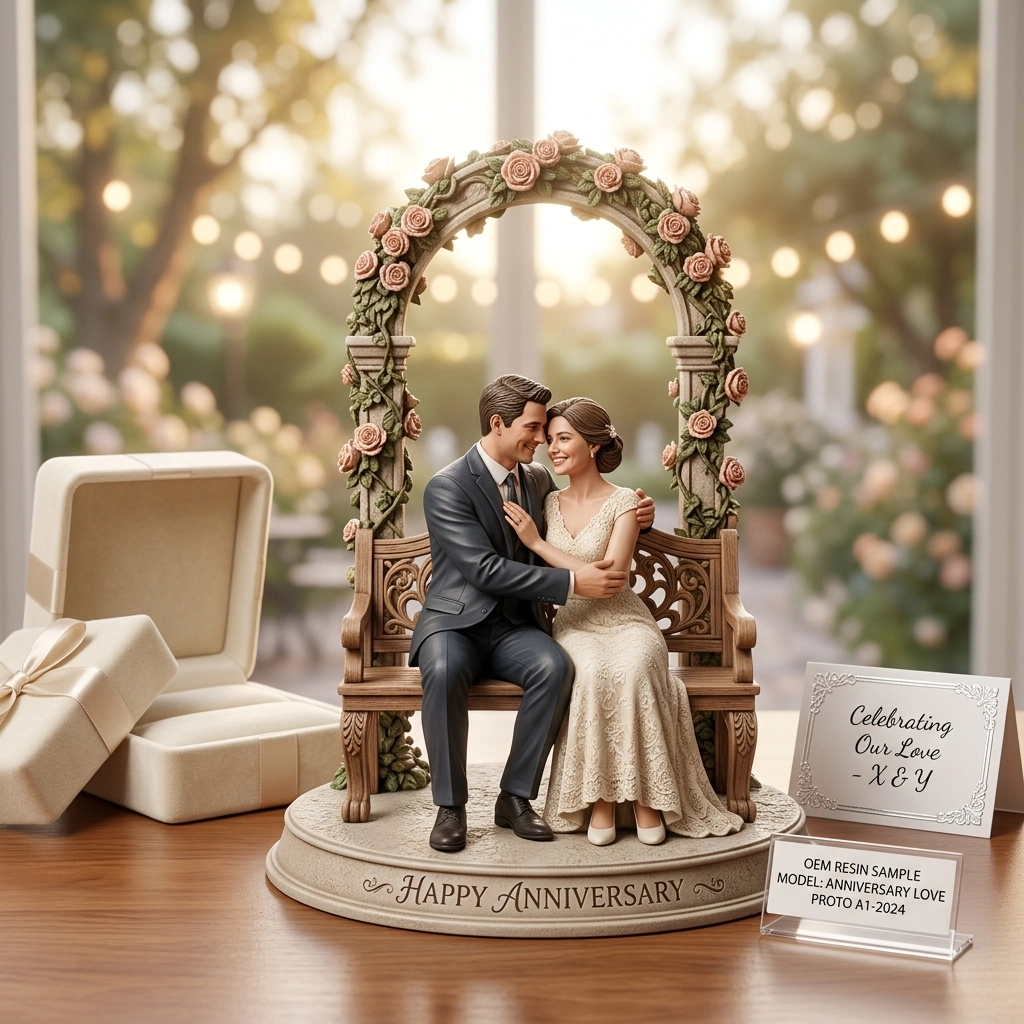
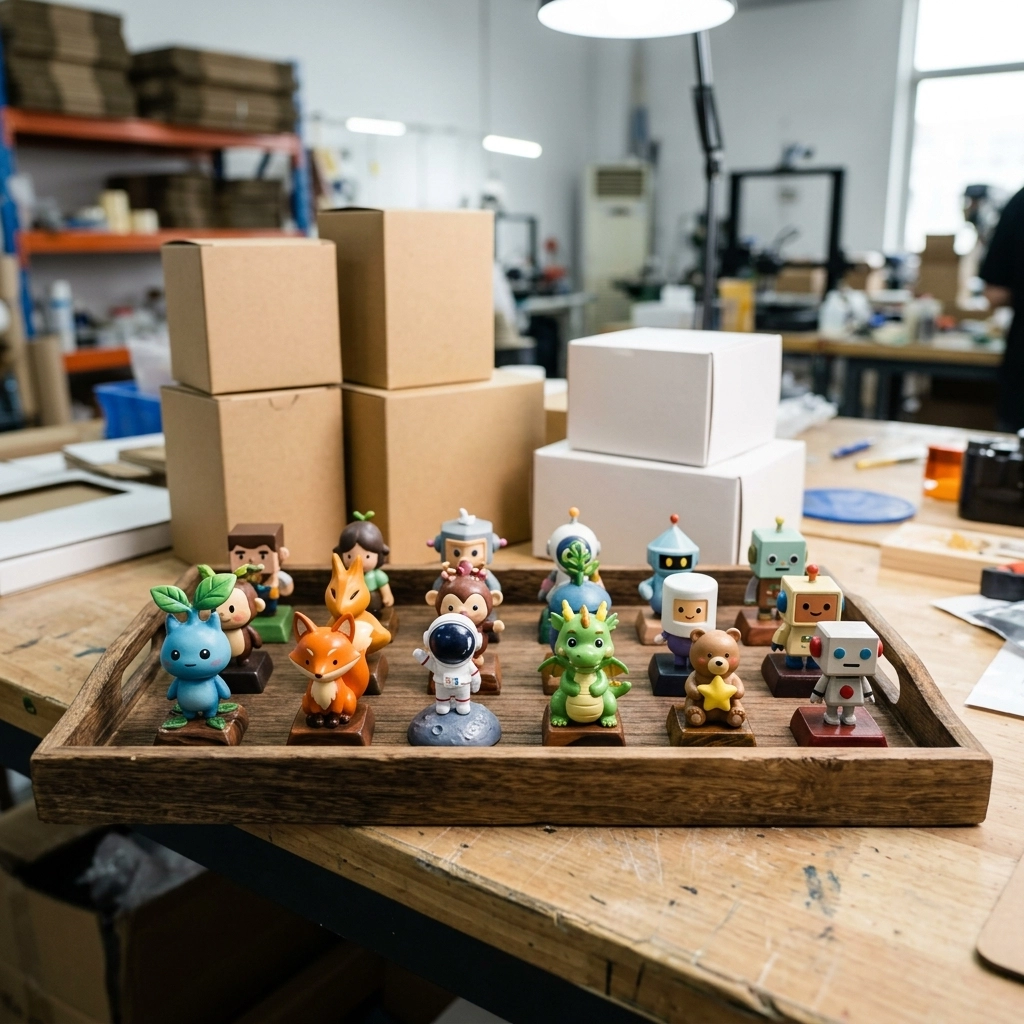
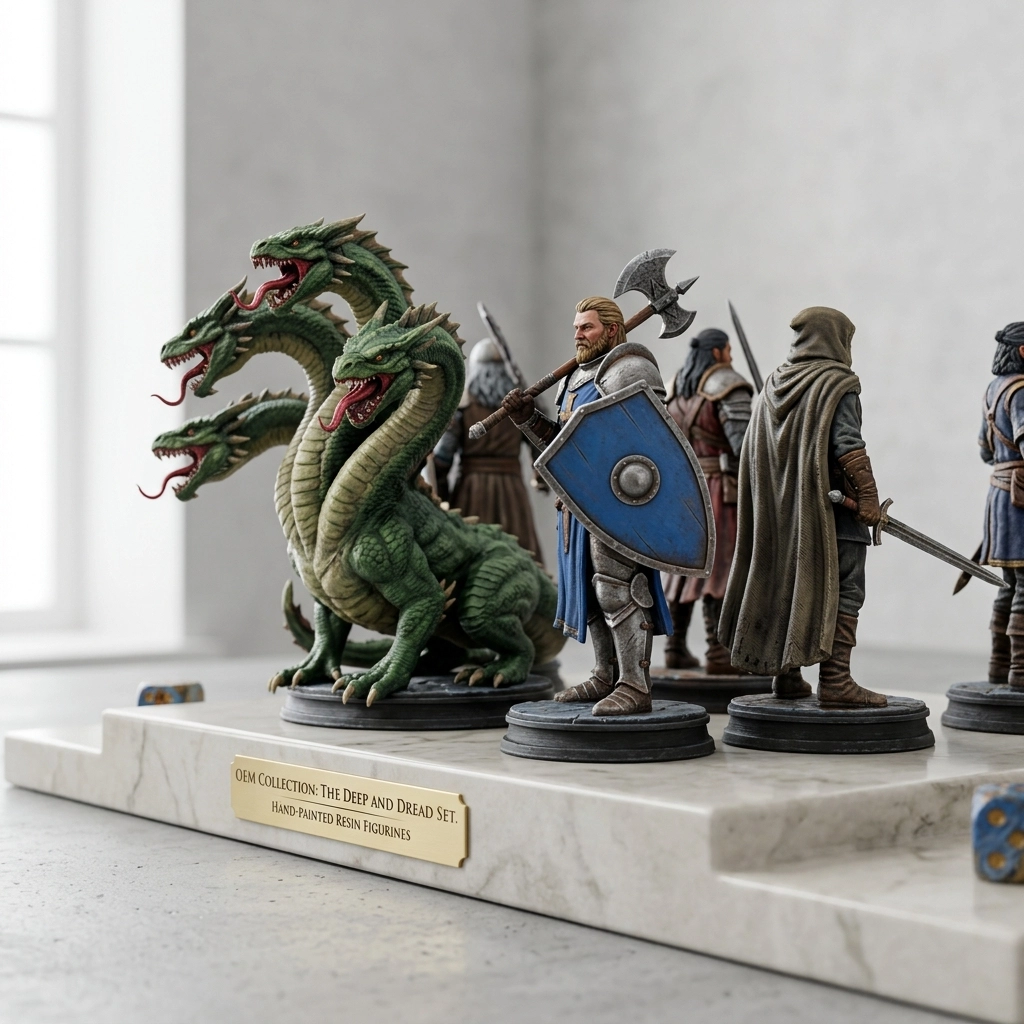
OEM Bulk Custom Figurine Manufacturing
OEM custom figurine manufacturing for controlled sample approval, part splits, painting, inspection and batch packaging. Send authorized references, size and quantity for RFQ.
Description
OEM custom figurine manufacturing becomes a production problem as soon as one approved model has to be repeated across a batch. Sculpt quality still matters, but so do part splits, paint references, assembly fit, packaging and revision control. A good-looking render is not a production specification.
The expensive mistakes usually happen before the batch starts. A buyer approves the face but not the base color, or approves a digital view without checking how the hands survive cleaning and packing. Then the sample and purchase order appear to describe the same product while the factory is working from different assumptions.
OEM Custom Figurine Manufacturing Starts With Production Rights
Before modeling, identify who owns the photographs, character, logo, uniform design and packaging artwork. A personal portrait, licensed character and company mascot carry different approval risks. The manufacturing file should also have a named owner and revision. Sending a reference image from the internet does not create permission to reproduce it.
Reference quality controls how much interpretation enters the sculpt. For a person or pet, front, three-quarter and side views are more useful than several filtered photographs from the same angle. For branded work, include logo artwork, color references and a note stating which features must remain exact.
- name the model revision and the rights holder;
- mark features that may be simplified at the chosen scale;
- separate visual references from mandatory specifications;
- state the destination market and intended user.
The Sculpt Has to Survive Manufacturing
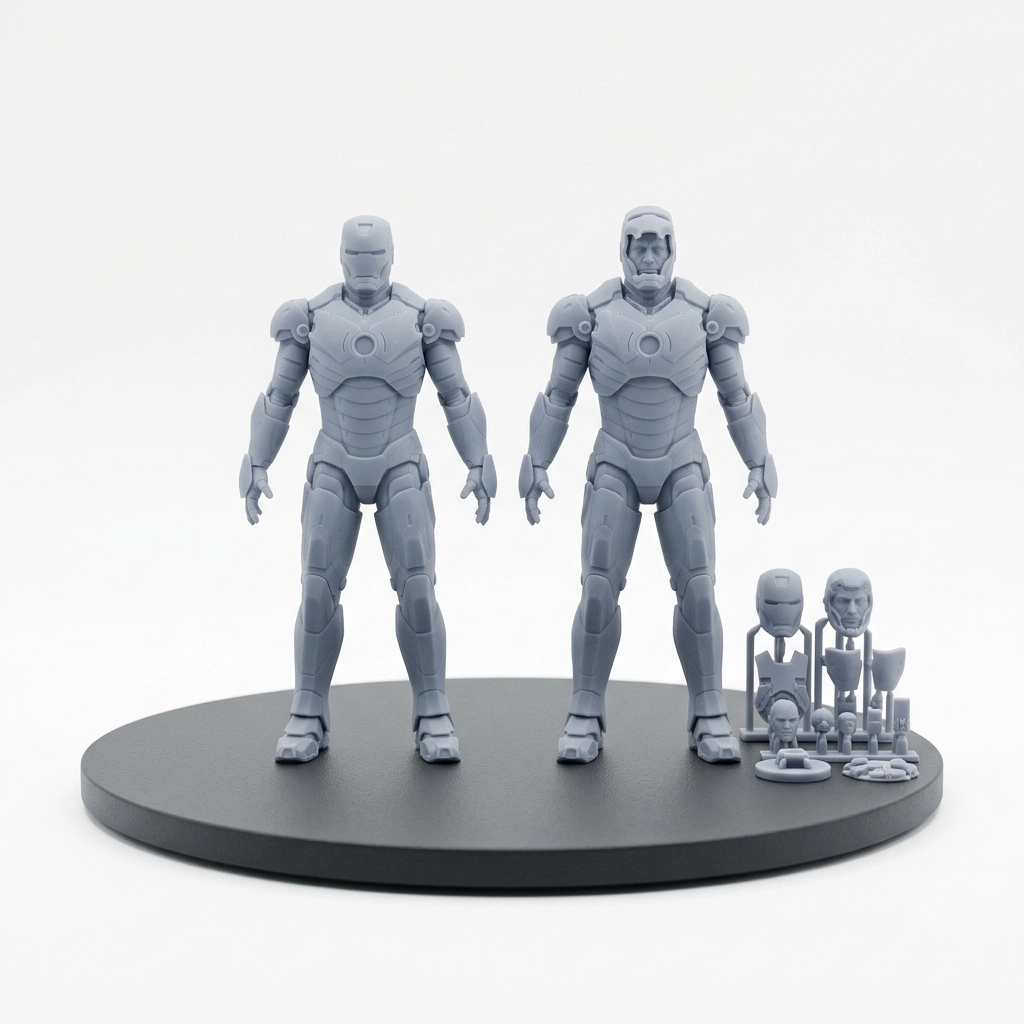
A digital sculpt can hide impossible sections. Thin fingers, hair strands, glasses, tails and unsupported accessories may look convincing on screen yet break during support removal or shipment. Parting the model is not merely a way to fit a build volume. It controls visible seams, paint access, assembly strength and repairability.
I prefer reviewing the split plan before the appearance sample is finished. A keyed joint can prevent rotation, but a key that is too tight ignores print and coating variation. A seam placed through a smooth cheek is harder to hide than one following a clothing edge. The base also needs enough contact area to keep the assembled figure stable.
Choose the Process Around the Approved Appearance
SLA is often considered for fine resin masters and detailed display figures. Full-color printing can carry texture data directly when the file and visual target suit the process. Vacuum casting may make sense after a stable master when a small resin-like batch needs repeated geometry. None of these routes automatically delivers the same surface, color or mechanical behavior.
Compare the SLA resin service and WJP full-color service before locking the sample route. The process decision should be made with the target size, paint plan, quantity and acceptable seam locations in view.
A Paint Master Needs Written Notes
“Match the sample” is too vague when light, gloss and hand application change what the eye sees. Record base colors, priority facial features, logo placement, gloss level and any deliberate shading. Photograph the approved sample under controlled lighting, but keep the physical master when practical.
Paint masks and holding jigs should avoid finished faces. Adhesive transfer, fingerprints and rubbing damage often come from handling after the paint booth rather than the coating itself. Drying and cure time must be treated as production time, not squeezed out to meet a packing date.
The Golden Sample Is a Controlled Reference
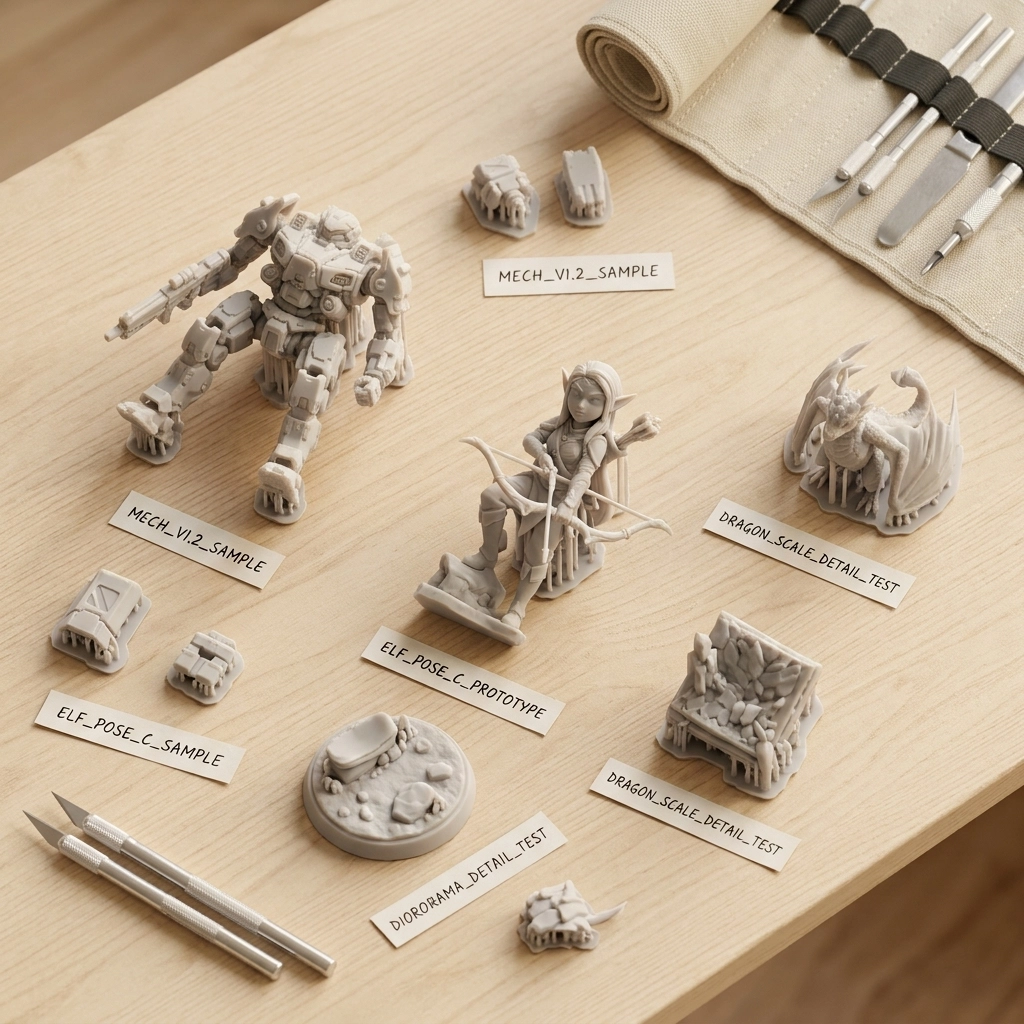
For OEM custom figurine manufacturing, sample approval should list the model revision, dimensions, materials, part count, assembly method, finish, accessories and packaging. Comments such as “make it better” cannot be audited later. Mark the approved point and close the revision before batch work.
Inspection criteria should separate functional defects from natural hand-finished variation. A loose joint, missing part or wrong logo is not the same issue as a small shade difference. The buyer and supplier need an agreed visual boundary appropriate to the selling price and intended use rather than an invented promise of perfect identical copies.
Do Not Treat Every Figurine as the Same Product Category
A collector display piece is not automatically a children’s toy. Market claims, age grading, materials, detachable parts and destination-country rules determine which requirements apply. If the item is designed or marketed as a toy in the United States, review the CPSC toy safety guidance early. Small parts, accessible points, coatings, labels and testing cannot be repaired with a disclaimer after production.
A Sample-to-Batch Approval Workflow
An OEM figurine approval workflow is a controlled sequence that turns authorized source material into a production reference. It does not mean that approval of one attractive render automatically approves the finished product. The buyer and supplier still need to close the sculpt revision, part split, assembled size, paint reference, accessories, inspection boundary and packaging around a physical sample before a repeat batch is released.
- Confirm the source pack. Record the rights holder, reference images, artwork, target size, intended market and current file revision.
- Approve the digital direction. Close the pose, expression, proportions, logo placement, part split and any details that may need simplification.
- Review an appearance sample. Check the assembled silhouette, fragile features, visible seams, balance, surface preparation and paint workload on the actual part.
- Lock the controlled reference. Identify the approved model revision, finish notes, color references, accessories and protective packaging instead of relying on memory or chat messages.
- Release the next quantity deliberately. Confirm that open corrections are closed and state which approved reference the next order must follow.
OEM Figurine Manufacturing FAQ
Can an approved sample be reused for every reorder?
The approved sample is a reference, not a blanket guarantee for every future order. Reconfirm the model revision, material route, finish notes, accessories and packaging when an order changes or a new production run begins.
Is a photograph enough to approve paint?
Photographs are useful records, but lighting, white balance and gloss can change the apparent color. When appearance is critical, use agreed color references and the physical sample together rather than approving from one screen image alone.
When should packaging be approved?
Approve packaging after the assembled and finished sample is available. The final shape, fragile projections, accessories, surface sensitivity and retail presentation determine the insert and handling plan; raw print dimensions alone are not enough.
OEM Custom Figurine Manufacturing RFQ Checklist
- authorized photos, artwork, logo files or production-ready 3D model;
- finished size, quantity, target market and intended user;
- appearance reference, paint complexity and acceptable part splits;
- sample deadline, batch deadline and approval contact;
- unit packaging, labels, barcodes and master-carton requirements.
Our sample-to-bulk figurine guide goes deeper into production handoff. To request an OEM custom figurine manufacturing review, send the source material, size, quantity, finish and destination through the RFQ contact page. Packaging can then be developed against the approved physical sample instead of a guessed envelope size.