OEM resin figurines become difficult when the buyer treats the first sample as a separate job from the bulk order. The sample is not only a test print. It should become the standard for sculpt detail, surface finish, painting, color, packaging and inspection before the order moves from one piece to hundreds.
I would not start a 500-piece figurine order from a verbal approval. The approved sample needs photos, file version, material, finish notes, color reference and packaging decision. If any of those are loose, batch consistency becomes a matter of memory.
OEM Resin Figurines Need a Master Sample
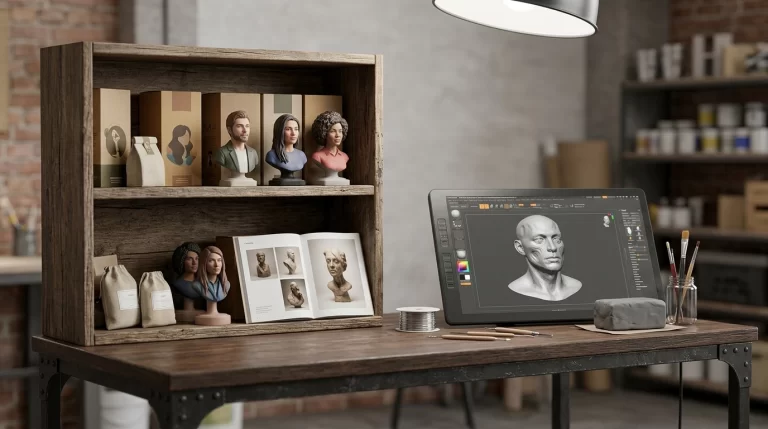
The master sample should define what “acceptable” means. Small support marks, seam lines, paint edge, color tone, logo size, base flatness and surface gloss should be reviewed. Some variation is normal in hand-finished parts, but the range should be clear. A buyer who expects machine-like identical paint on every miniature should know where hand work creates variation.
For material behavior, resin figurine material is the right internal reference. For paint workflow and risk, connect to resin print paint adhesion.
From One Sample to Batch Production
Batch production adds practical steps: nesting, print orientation, support removal, sanding, primer, paint, clear coat, inspection, packing and carton labeling. A single sample can receive careful hand attention. A batch needs a repeatable workflow. The earlier that workflow is defined, the less likely the batch will drift from the sample.
For some quantities, buyers should compare direct resin printing with other routes. Vacuum casting vs 3D printing can help when dozens or hundreds of similar plastic parts are needed. Resin printing still makes sense for detailed, changing or low-volume figurines, but it should be chosen deliberately.
OEM Resin Figurines Need Batch QC
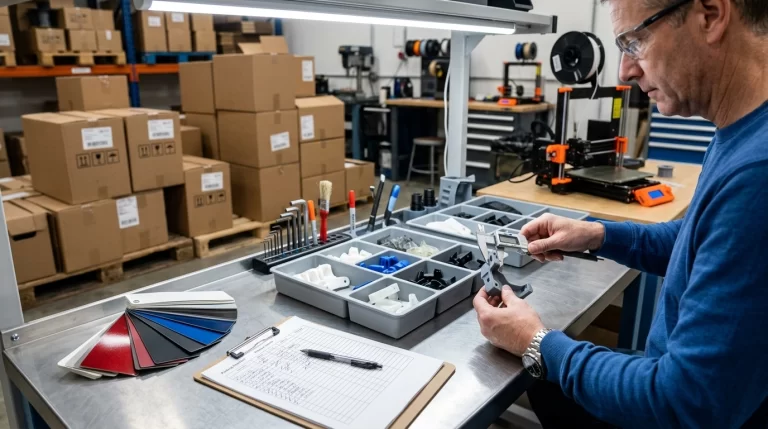
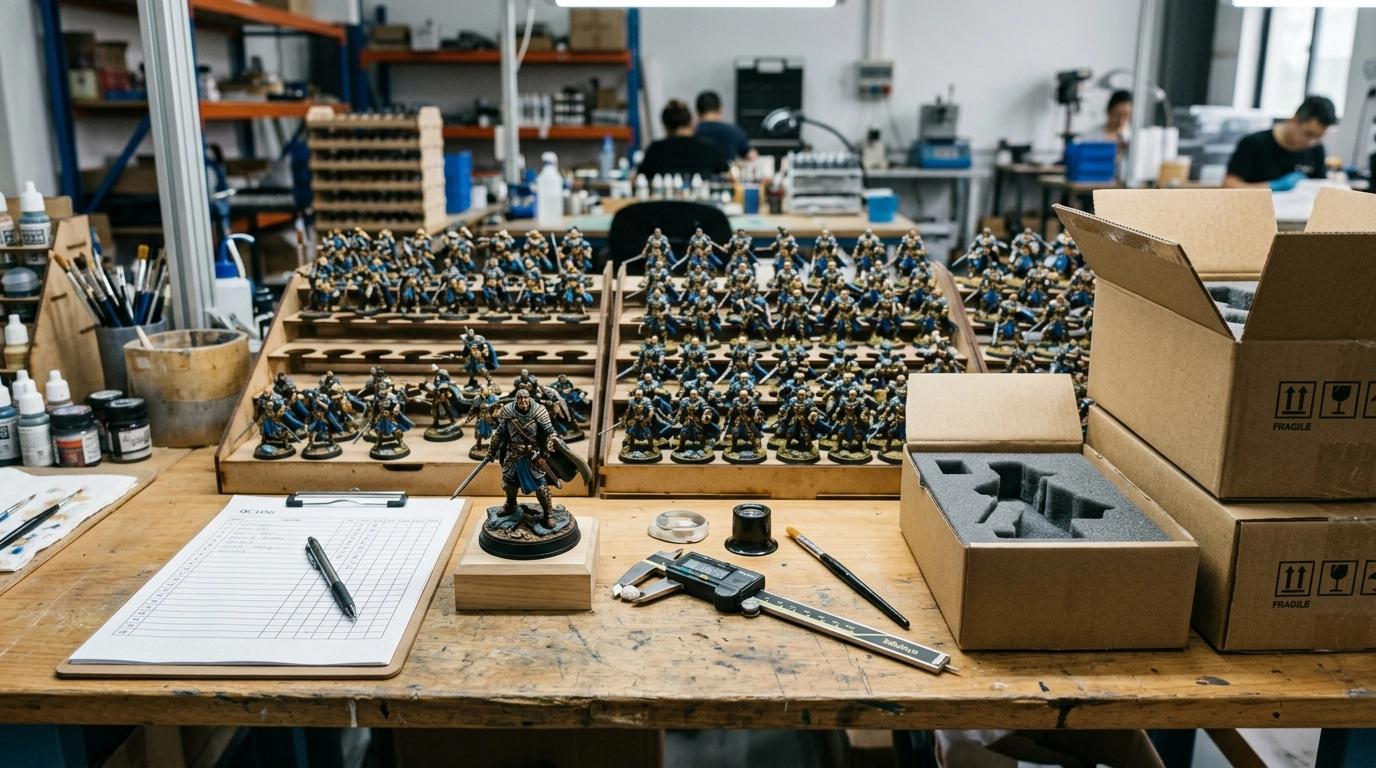
QC should check more than count. Compare batch parts with the approved sample. Look at face detail, base stability, paint adhesion, color consistency, fragile details, logo position and packaging fit. If the part is sold as a gift, the box condition and surface protection are part of the quality check.
The ISO 9001 quality management overview is useful background for why records and repeatable process matter. For OEM resin figurines, the practical takeaway is direct: approve one good sample, write down what makes it good, then produce the batch against that standard instead of a vague memory.
Packaging and Carton Plan for OEM Resin Figurines
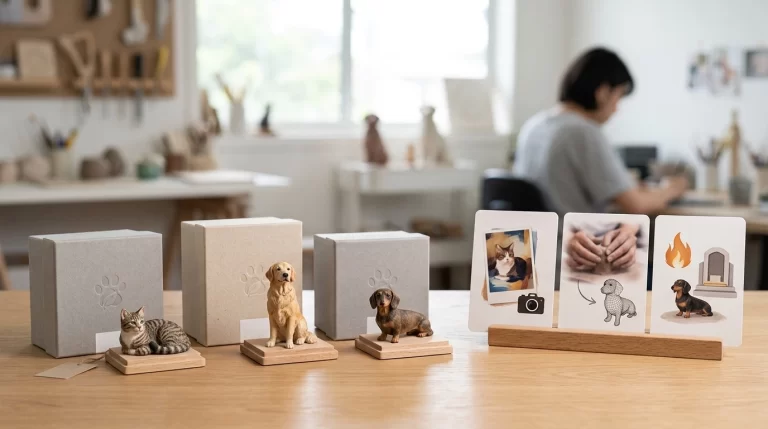
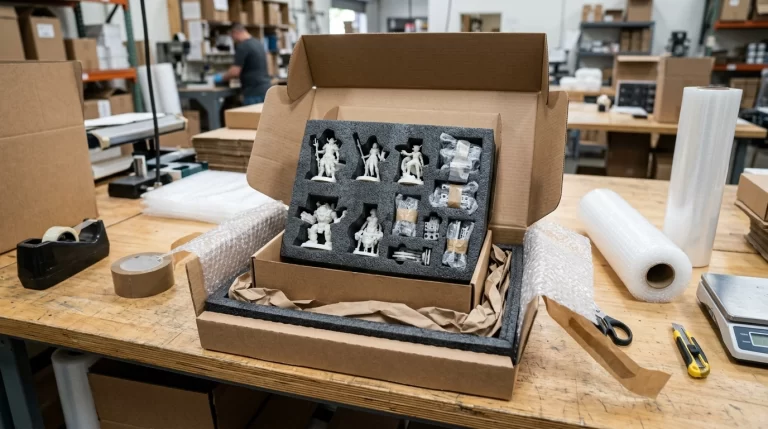
Packaging should be priced and tested before the bulk order starts. A resin figurine can have fragile hair, hands, accessories, base corners or painted surfaces. If parts rub inside a box, the paint may mark even when the print itself is fine. Foam inserts, paper sleeves, blister trays and inner boxes all change packing labor and shipping volume.
For buyers planning retail sales, barcode, label, instruction card and brand box should be part of the RFQ. The factory can quote printing and painting, but packing details decide whether the product is ready for the shelf or only ready for another warehouse step.
OEM resin figurines work best when the buyer sends the commercial context early: sample quantity, first batch quantity, target retail packaging, color standard, approval deadline and reorder plan. That information turns a sample request into a production route.
For painted batches, color drift should be expected and controlled, not ignored. Keep a paint reference, approve acceptable range and photograph the first production pieces against the sample. If the figurines have faces, tiny logos or metallic areas, those details deserve their own check instead of being buried under “visual inspection.”
The buyer should also decide what happens to rejected parts. Can they be touched up? Are minor marks acceptable on hidden areas? Should every unit be individually packed before final inspection? OEM resin figurines are easier to manage when the acceptance rules are known before production starts.
Wall thickness and base stability are worth checking before the design becomes a master sample. A figurine that stands nicely in a render may lean, wobble or break at an ankle after printing. A slightly thicker base or hidden support contact can save a lot of finishing trouble later.
Do not treat hand painting as a single line item. Face detail, small logos, metallic accessories, gradient color and clear coat all use different labor. When OEM resin figurines move from sample to bulk, the painting standard should say which details are critical and which small variation is acceptable.
For repeat orders, keep a golden sample and a photo set. The sample may age or get damaged, so photos under normal light help keep the record usable. That small habit makes reorders less dependent on whoever happened to manage the first batch.
Carton quantity should be decided with the finished weight and insert size, not only the figurine size. A box that is efficient for raw prints may be unsafe after paint and retail packaging are added. For OEM resin figurines, the packing plan is part of the production plan, not a shipping detail left for the last day.