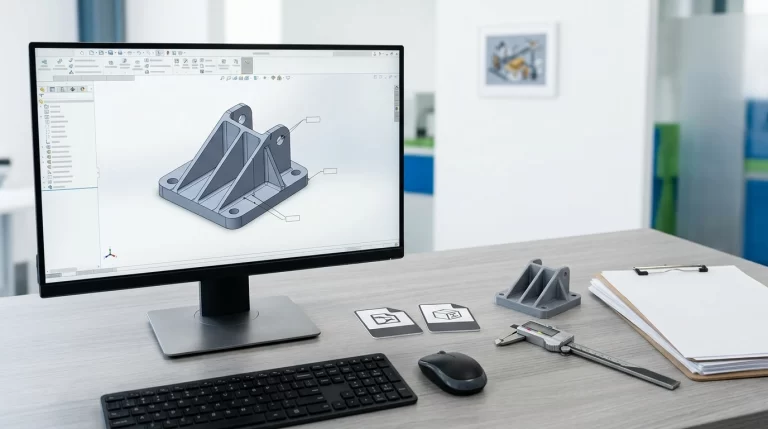
To choose materials for custom 3D printed products, start with the part’s job instead of a material name. Resin, nylon, ABS, PC, PETG, TPU and metal all sound familiar, but none of them is the best answer without use condition. A display model, a pet figurine, a fixture, a soft grip and a heat-exposed cover need different compromises.
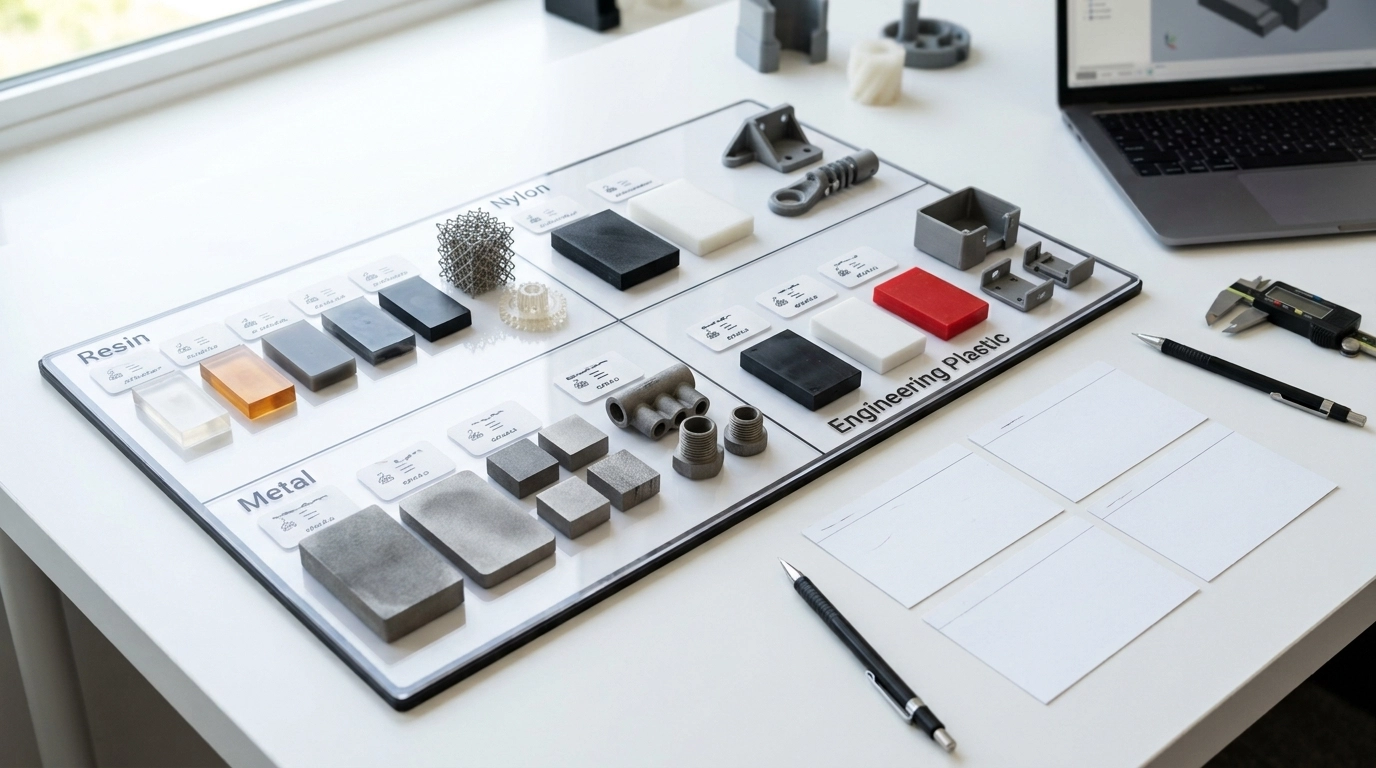
I usually ask four questions before talking about material: Will it be seen, touched, loaded or heated? Those answers narrow the field faster than a long material list. A beautiful resin part may be the wrong choice for a snap clip. A tough nylon part may be the wrong choice for a glossy character gift. A metal print may be unnecessary for a simple machined block.
Choose Materials for Custom 3D Printed Products by Use
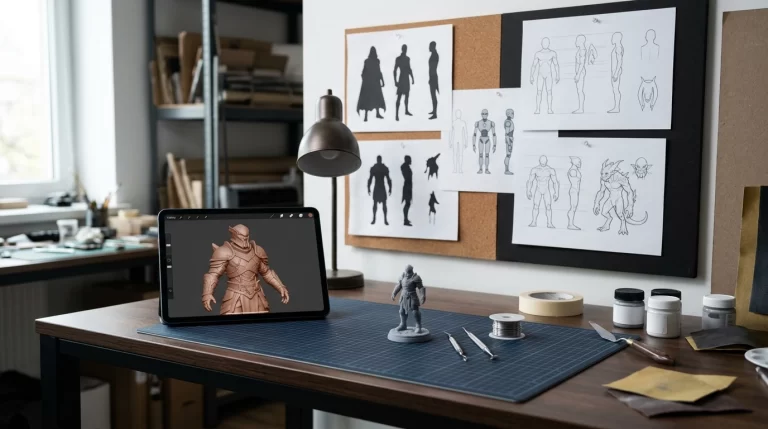
For visual products, surface detail and finish matter most. SLA resin can show fine details and paint well after proper sanding and primer. WJP full-color printing can help when color is built into the print, but file texture quality and proofing matter. For custom figurines, the resin choice should consider detail, brittleness, yellowing, painting and batch consistency.
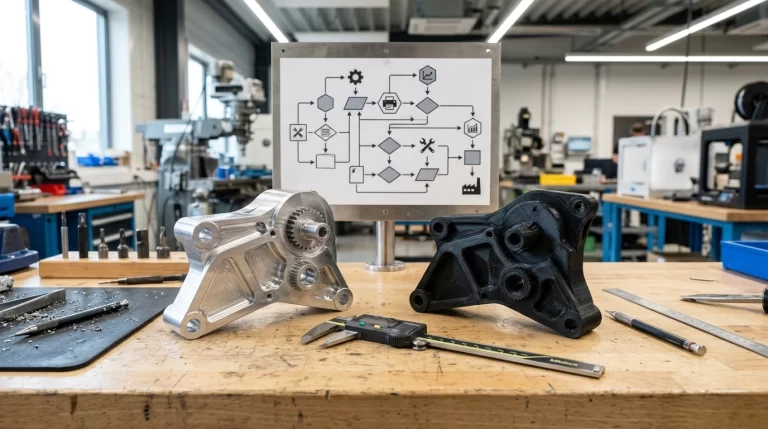
For functional products, the conversation moves toward toughness, heat, moisture, wear and assembly. SLS or MJF nylon can work well for many functional small batches because it avoids support scars and handles complex geometry. FDM engineering plastics may fit larger parts or fixtures when surface detail is less important. Metal printing belongs to a different cost and inspection category.
Use engineering plastic 3D printing material selection for the broader plastic comparison, and nylon 3D printing material selection when PA6, PA66, PA12, PA11 or filled nylon are being considered.
Appearance Materials Need Finish Planning
A resin figurine is rarely just “printed.” It may need support mark repair, sanding, primer, painting and clear coat. A transparent part may need polishing and coating. A black resin part may show details differently from grey or white resin. A full-color part may need proof samples because screen color and printed color do not match perfectly.
The post on resin figurine material is useful for gift buyers because it deals with white models, detail, painting, yellowing and batch consistency. Those are the things that matter after the material name has already been chosen.
Choose Materials for Custom 3D Printed Products With Assembly in Mind
If the part has screws, clips, magnets, glue, inserts or moving features, material choice changes. Brittle resin may crack at a snap feature. PLA may feel stiff and then break suddenly. TPU may be flexible but harder to hold dimensionally. Nylon may absorb moisture and change slightly after conditioning. A threaded insert may need local wall thickness and heat tolerance.
Food, medical and child-use claims need caution. A material name does not make a finished printed part certified for contact use. Process cleanliness, post-processing, documentation and intended market matter. The NIOSH 3D printing topic page is a useful reminder that material handling and emissions deserve respect.
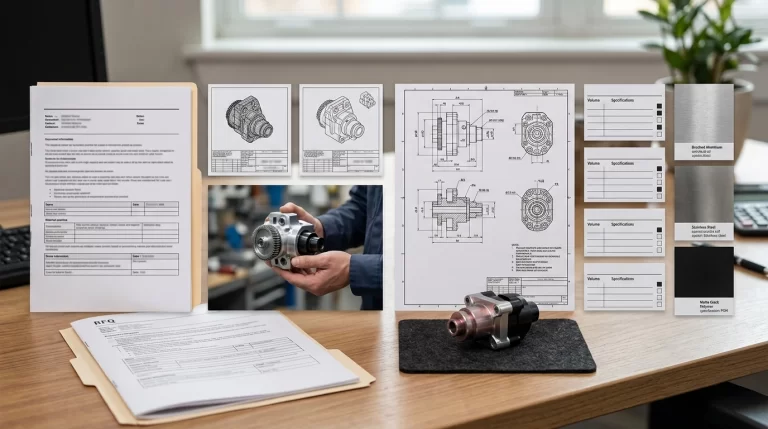
A good RFQ does not ask for “the strongest material” without context. It says whether the part is cosmetic, load-bearing, flexible, outdoor, painted, packed for retail, assembled with screws or exposed to heat. That is how to choose materials for custom 3D printed products without paying for properties the product does not need.
For gift products, the material decision often starts with surface and handling. A shelf figurine can use a different resin from a keychain-like product that is touched every day. A retail display model may need good paint adhesion more than high impact strength. A promotional part may need color consistency and packaging strength more than fine engineering tolerance.
For functional OEM parts, write the environment down: temperature, load, assembly, chemical exposure, UV exposure, moisture and expected life. That does not make the quote longer; it makes the material choice less random. Choose materials for custom 3D printed products by failure risk first, then by price.
Small coupons can help when the buyer is unsure. A coupon will not prove the whole product, but it can show color, surface, flexibility, paint adhesion or basic handling before the full model is printed. I would rather test a material sample than argue from a material name that sounds strong.
Material choice should also leave room for the next step. If the buyer may move from prototype to batch, ask whether the same material can stay in production, whether finishing is repeatable, and whether packaging protects the surface. Choose materials for custom 3D printed products with the second order in mind, not only the first sample.
Do not choose a premium material only because it sounds impressive. A high-temperature plastic is wasted on a shelf display. A very stiff resin may be wrong for a snap feature. A flexible material can disappoint if the buyer expects crisp edges. The right material is the one that supports the product’s actual failure risks, finish target and price level.
When two materials both look possible, quote both on the same file and finish target. That comparison is more useful than arguing from datasheets because it shows post-processing, lead time and packing differences beside the material price.