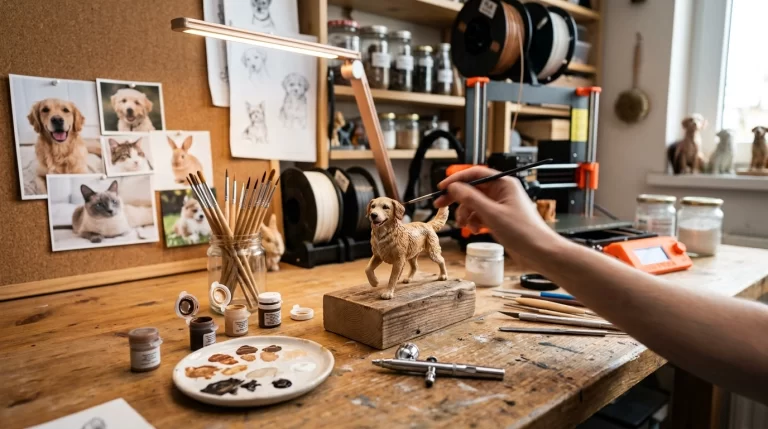
Custom miniature figurines for game, anime and character brands need a different production mindset from large display statues. Small size makes detail, brittleness, painting and packaging harder. A tiny sword, hair spike, cape edge or base logo can decide whether the miniature feels premium or fragile.
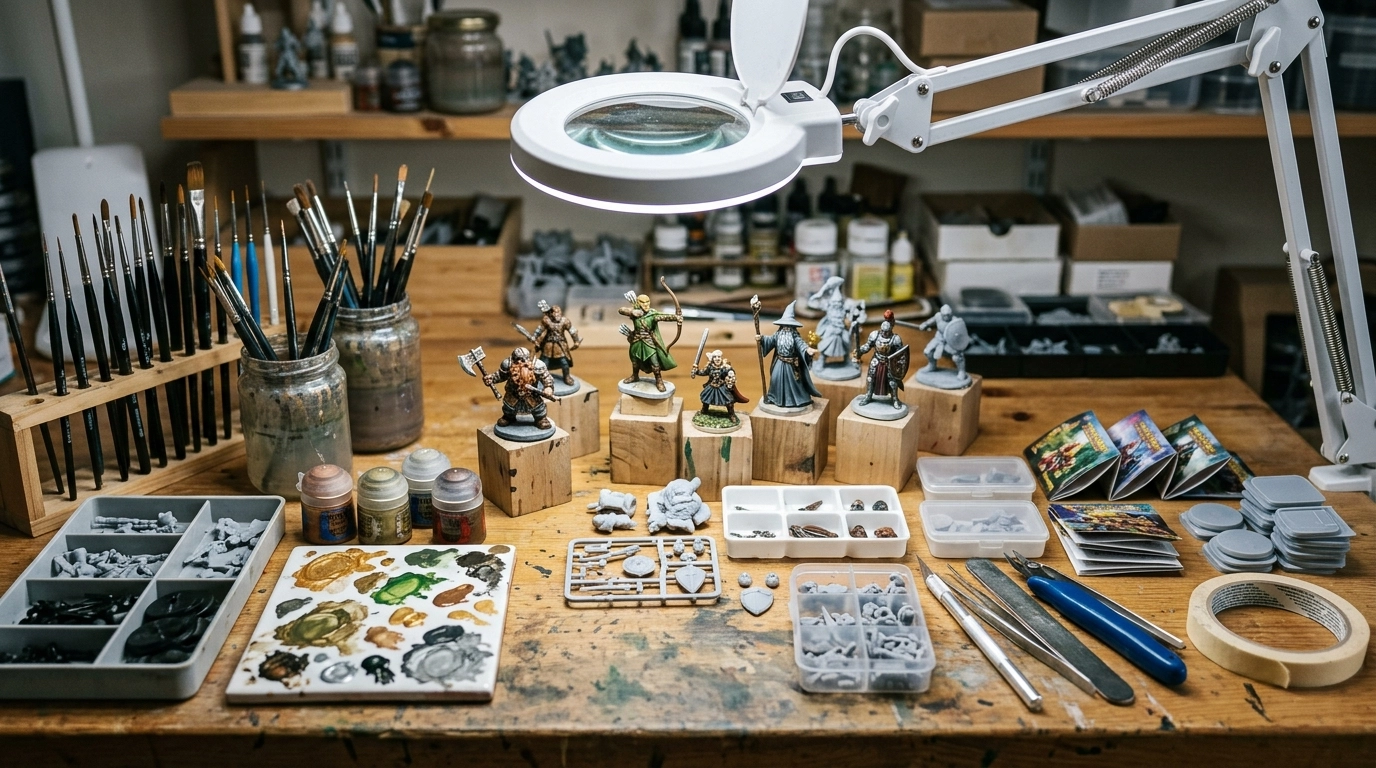
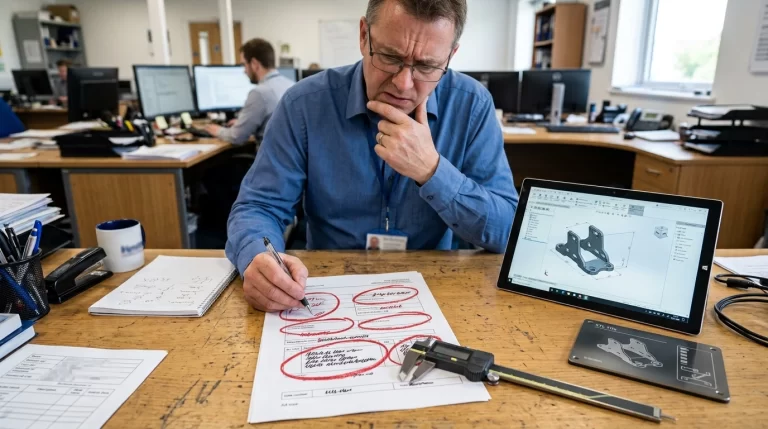
I would keep IP language careful. The buyer should own or have permission to use the character design. Manufacturing can follow the provided style guide, but it should not create unlicensed character claims. From a production view, the important files are concept art, turnaround views, color references and size target.
Custom Miniature Figurines Need Detail Control
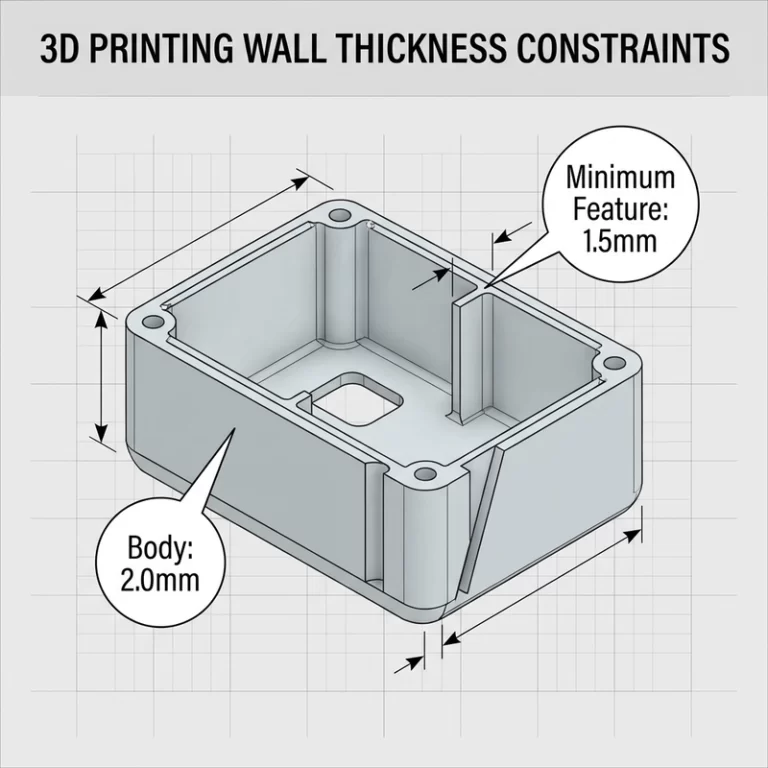
Small figurines punish over-detailed designs. Tiny raised text may disappear after primer. Thin fingers may break. Deep undercuts may create support scars. Sharp hair or weapon tips may need thickening. The model should be designed for the final scale, not only reduced from a large statue file.
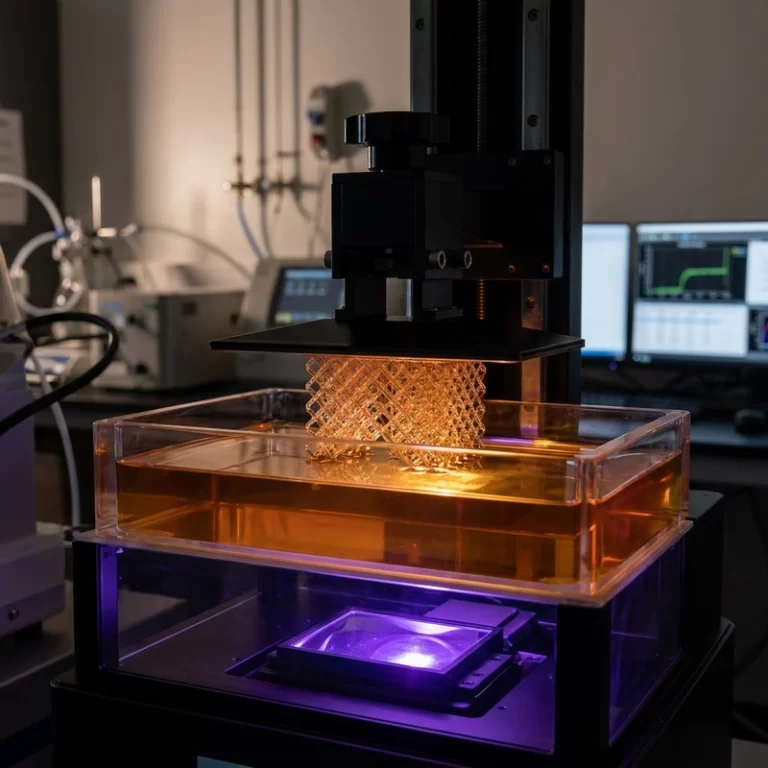
For resin behavior, read resin figurine material. If the miniature needs higher toughness, high-strength SLA resin may be worth reviewing, with the usual caution that toughness and fine detail still have tradeoffs.
Painting Can Hide or Improve Detail
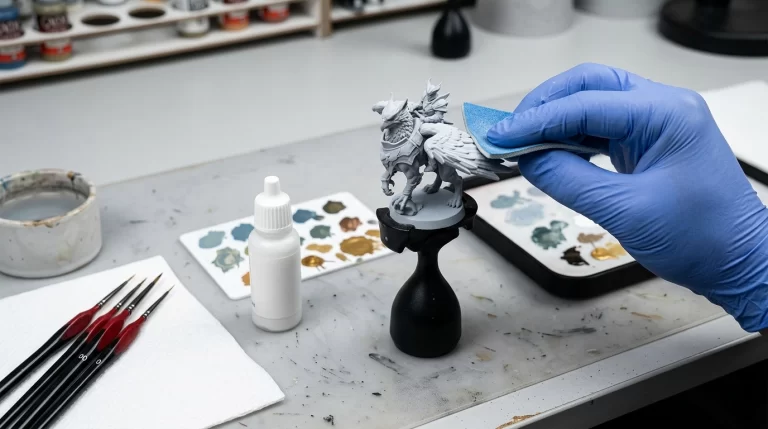
Primer and paint add thickness. That can soften small details if the model is too fine. On the other hand, careful paint can make eyes, armor edges, clothing folds and logos more readable. The painting plan should be tested on a sample before bulk production.
Resin print paint adhesion is relevant here because miniatures have many edges and support marks. Poor cleaning or curing can cause primer problems exactly where the detail matters most.
Custom Miniature Figurines Need Packaging Tests
Miniatures often fail after production, during handling or shipping. A foam insert, blister, inner tray or base design may be needed to protect thin parts. The buyer should approve the packaging with the sample, not after the batch is painted.
There is no need to pretend every miniature can hold every detail. Custom miniature figurines work best when the style guide, scale, material, paint and packaging are designed together. The smaller the model, the less room there is for vague approval.
For buyer education, Google’s helpful content guidance is a useful reminder to avoid thin claims and give real detail. In miniature production, that means showing the buyer what will be simplified at final scale: hair strands, cloth texture, tiny weapons, fingers, facial lines and logos.
Custom Miniature Figurines Need Scale Samples
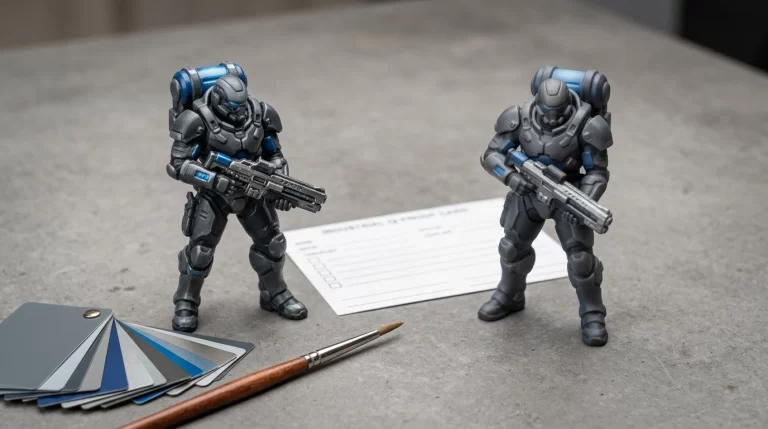
A 120 mm sample and a 45 mm miniature are different products. Details that survive on the large sample may vanish or break on the small one. If a brand plans several sizes, each size should be checked separately. Scaling down a model is not the same as redesigning it for miniature production.
For OEM work, approve the base, pose and paint level before the batch. The buyer should also decide whether the miniature will be sold assembled, in parts, in a blister, or in a small box. Custom miniature figurines can be efficient in small batches, but only when scale and packaging are tested together.
Assembly choice matters. A one-piece miniature is easier for the buyer but may force compromises in support marks and undercuts. A multi-part miniature can show cleaner detail but needs assembly, glue points, instructions or packaging that keeps parts together. The right choice depends on whether the customer expects a finished collectible or a kit.
Custom miniature figurines should be quoted with the final scale and paint level stated clearly. “Tabletop miniature” can mean different sizes to different buyers. Millimeters, base diameter and packaging type remove that ambiguity.
Sharp parts need special judgment at miniature scale. Swords, antennae, horns, fingers and hair points may look dramatic in the sculpt and become fragile in the finished model. Thickening them slightly can feel less accurate on screen but more successful in the customer’s hand.
Paint also has a scale effect. A color border that is easy on a large figurine can become messy on a 35 mm miniature. If the batch needs clean appearance, simplify the color map or separate the part. Custom miniature figurines should be designed for the brush and the package, not only for the printer.
For kit-style products, packaging should keep tiny parts sorted. A missing arm or accessory creates the same customer problem as a broken print. A simple insert, labeled bag or assembly note can save the buyer from support emails after delivery.
Base design controls more than display. It can hide support contact, stabilize thin legs, carry text and make packing easier. A miniature with a clever base may be stronger and cheaper to finish than a more “realistic” pose that stands on two tiny feet.
If the buyer plans painted and unpainted versions, quote them as different products. Raw miniatures expose layer and support cleanup differently from painted pieces. Custom miniature figurines need separate standards for hobby kits, retail collectibles and finished gifts.
Storage also matters for small parts. Thin accessories can bend or snap if loose pieces are piled together after printing. Keeping parts separated through cleaning, curing, painting and packing is a simple way to prevent damage before the customer ever sees the miniature.