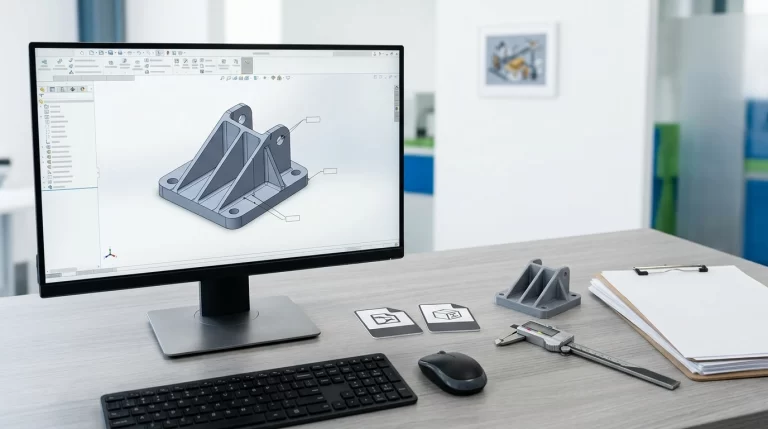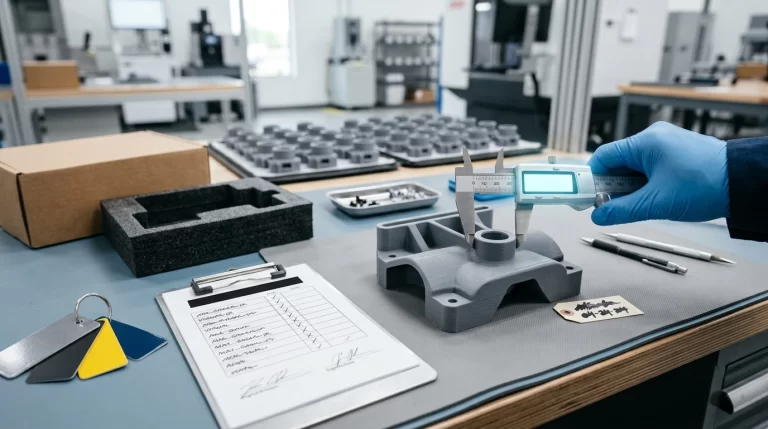
3D printing vs injection molding small batch decisions usually come down to tooling cost, design stability and quantity. 3D printing can produce parts without a mold. Injection molding can be efficient after tooling is paid for, but it is not friendly to constant design changes.
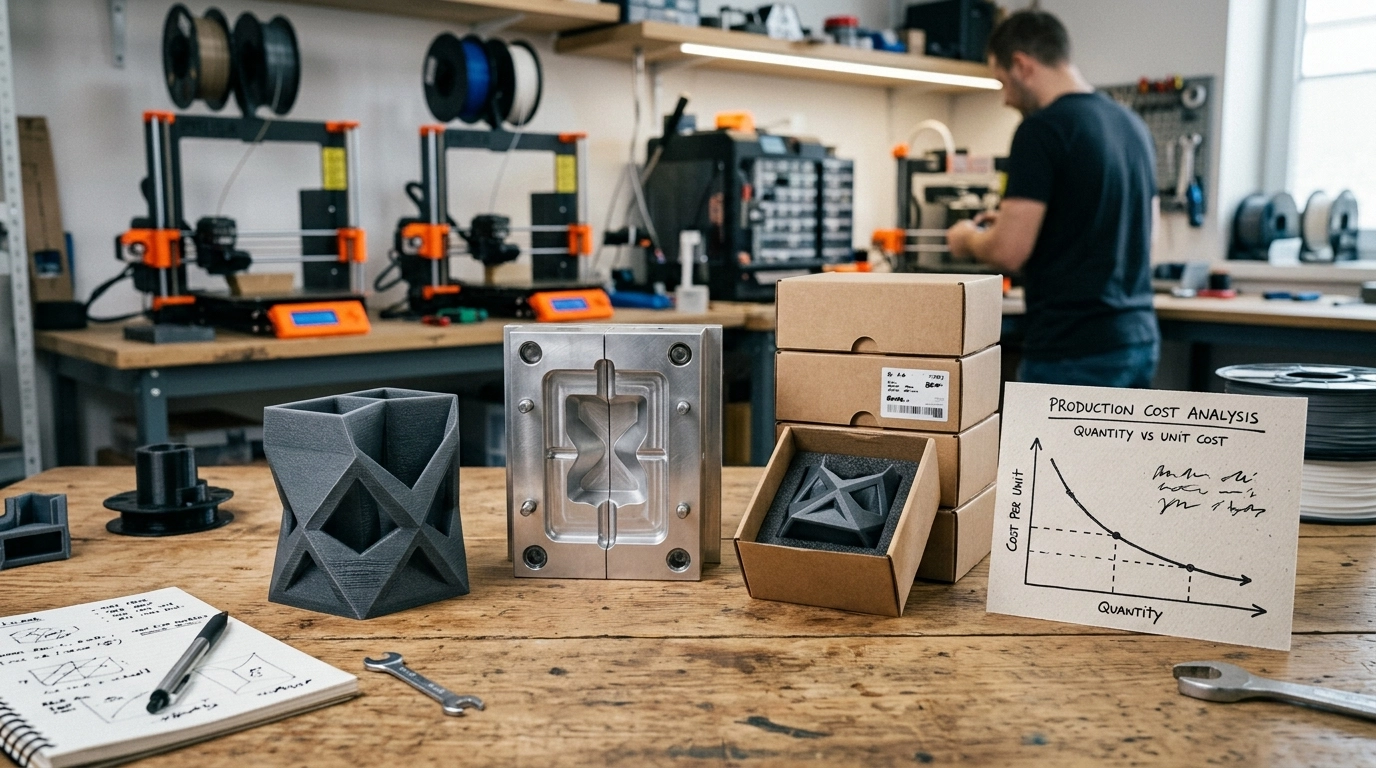
I would not claim 3D printing beats molding at every volume. It does not. But for custom gifts, pilot batches, seasonal products and uncertain designs, avoiding tooling can be a serious advantage.
3D Printing vs Injection Molding Small Batch Cost
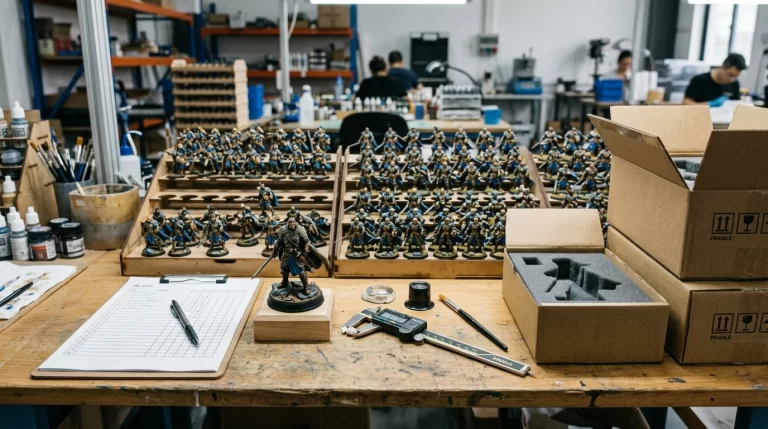
Injection molding needs tooling. That cost can make sense when quantity is high and the design is stable. For a small batch of 50, 100 or 300 custom gifts, mold cost may dominate the project. 3D printing can start from the file, which helps when the buyer needs samples, market testing or personalized products.
For cost background, read engineering plastic 3D printing cost and 3D printing cost reduction. These posts explain why setup, finishing and batch handling matter.
Design Changes and Product Risk
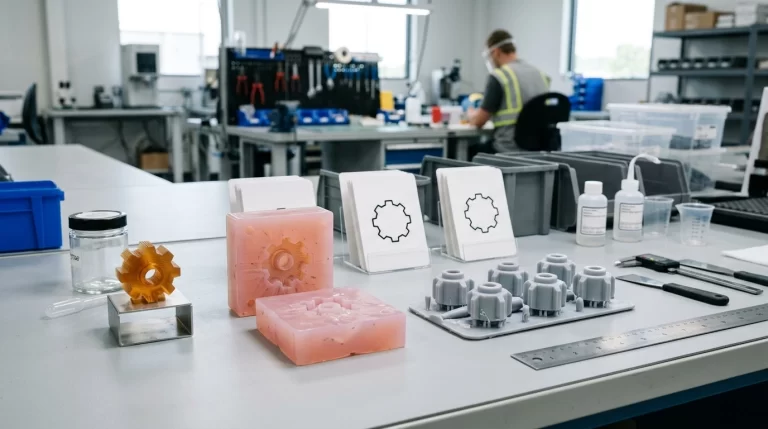
If the design may change after sample review, 3D printing is safer. Adjusting a printed model is usually faster than changing a mold. If the product is fully approved and the quantity is high, molding may become the better route. Vacuum casting can sit between the two in some small-batch plastic projects.
For that middle route, compare vacuum casting vs 3D printing. It is useful when the buyer needs repeated plastic parts but does not want full injection tooling.
3D Printing vs Injection Molding Small Batch for Gifts
Custom gifts often need variation: names, logos, event dates, local themes, small runs and quick updates. That pushes the decision toward 3D printing. Standard high-volume products with stable geometry may belong to injection molding. The NIST additive manufacturing page is useful process background. The real RFQ should compare total cost: tooling, part price, finishing, sample approval, packaging and risk of design change.
Surface and Material Expectations Should Be Honest
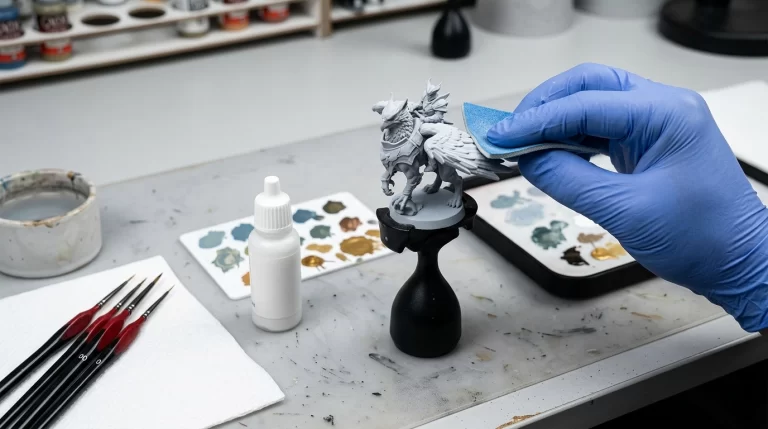
Injection molded parts can offer production-grade surface and material behavior when the tool and material are right. 3D printed parts can offer speed and customization, but surface texture, anisotropy and finishing need review. If the buyer expects a molded surface from a printed part, the quote should include sanding, coating or another finishing route.
For small-batch gifts, packaging and branding can matter as much as the base material. A 3D printed part in good packaging may be more useful for a limited campaign than a molded part that arrives after the event. For long-term high-volume sales, molding may win. Timing and business risk belong in the comparison.
The safest decision is often staged: 3D print prototypes and early batches, then consider injection molding after the design, demand and finish are proven. That keeps the first investment smaller while leaving room for a later tooling decision.
Customization is another divider. If every part has a different name, city, pet, portrait or event date, injection molding loses its advantage quickly. 3D printing can keep digital variation in the workflow. If every part is identical and demand is stable, molding becomes easier to justify.
For RFQ planning, ask for separate numbers: prototype, small batch and tooling route. That lets the buyer see when 3D printing vs injection molding small batch production changes from a flexible launch route into a higher-volume manufacturing decision.
Design freeze is the point buyers should watch. If the shape, color, logo, wall thickness or assembly is still moving, tooling can lock the wrong decision into a mold. 3D printing gives the buyer more room to learn from early customers before fixing the design.
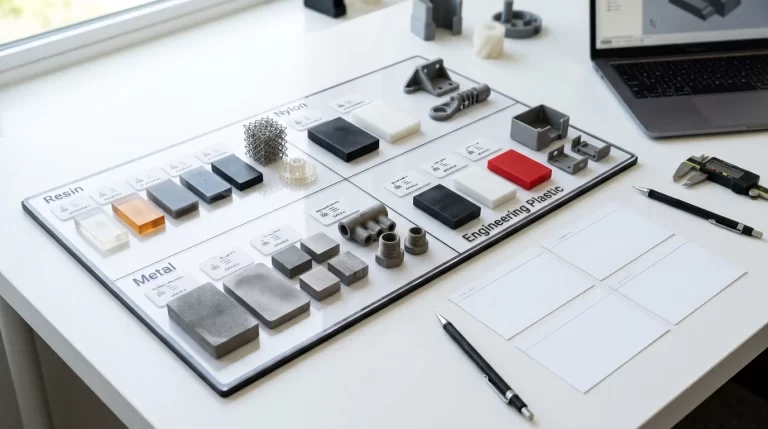
Material equivalence should not be assumed. A printed nylon, resin or engineering plastic part does not automatically behave like the same product made by molding. Layer structure, surface, moisture, finishing and test method all matter. If the product has safety or regulatory requirements, the buyer needs proper qualification beyond a blog-level comparison.
Packaging and branding can shift the decision too. A limited campaign with custom names may value flexibility more than the lowest unit cost. A stable consumer product may eventually need the molded route. 3D printing vs injection molding small batch production should follow demand evidence, not only optimism.
MOQ pressure can hide real risk. A mold may make sense only if the buyer can sell or store the quantity. 3D printing can cost more per unit but reduce unsold stock, especially for seasonal gifts, event items, test-market products or designs that may change after feedback.
The cleanest buying path is often staged. Print the first samples, sell or test a controlled small batch, then use that result to decide whether tooling is justified. 3D printing vs injection molding small batch production is not only a factory calculation. It is also a product-risk calculation.
Inventory cost belongs in the comparison. Molded parts may be cheap per unit after tooling, but storing unsold colors, versions or seasonal stock can erase that advantage. Digital production can be slower per unit and still smarter when demand is uncertain.
Ask who carries that stock risk before choosing the route.