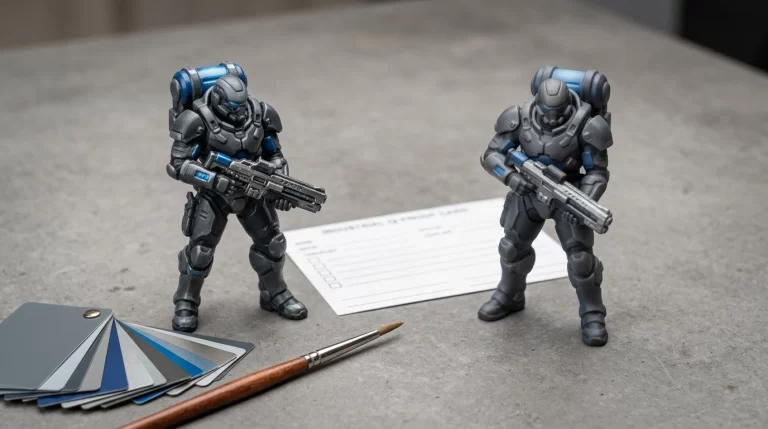
Resin figurine surface finish changes the whole feeling of a custom gift. Matte, glossy, metallic and soft-touch options all behave differently. The finish can hide small layer marks, reveal sanding scratches, change color depth or affect how the customer handles the product.
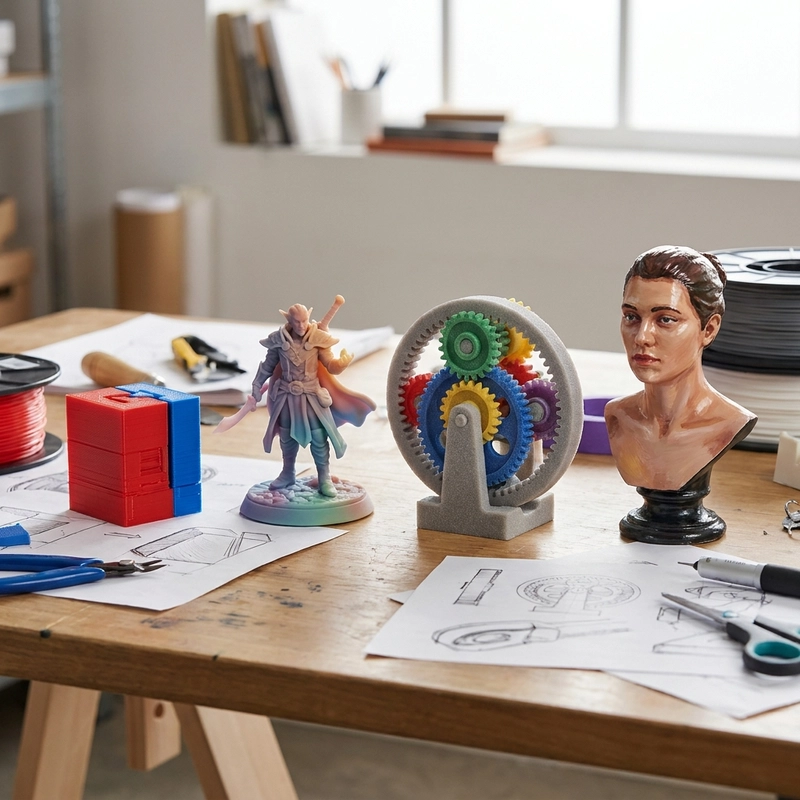
I would not choose finish from a word alone. “Glossy” can mean bright toy-like shine or premium clear coat. “Matte” can mean elegant or dull. A sample is safer than a description.
Resin Figurine Surface Finish Starts With Preparation
Support marks, sanding scratches, resin residue and dust all show through finish. Gloss makes defects more visible. Matte can hide some marks but may show fingerprints or scuffs. Metallic paint can make edges pop while revealing uneven base prep.
For material and detail behavior, see resin figurine material. For broader finishing logic, engineering plastic 3D printing finishing is relevant even when the product is decorative.
Matte, Glossy, Metallic and Soft-Touch
Matte finish can make a figurine feel modern and reduce glare in photos. Glossy finish can increase color depth but shows surface flaws. Metallic paint can create premium accents, but it needs clean prep and controlled handling. Soft-touch coating can feel good, but it may not suit every small detail or packaging method.
Resin print paint adhesion explains why primer and coating stack matter. A finish is not only the last layer; it depends on every layer beneath it.
Resin Figurine Surface Finish for Batch Approval
Approve finish on the real sample. Check it under normal light, not only studio photos. Handle it, pack it and look for rubbing. The NIOSH 3D printing topic page is useful for material safety context. For buyer decisions, the key is simpler: choose the finish that matches the product style and survives handling.
Finish Choice Affects Packaging
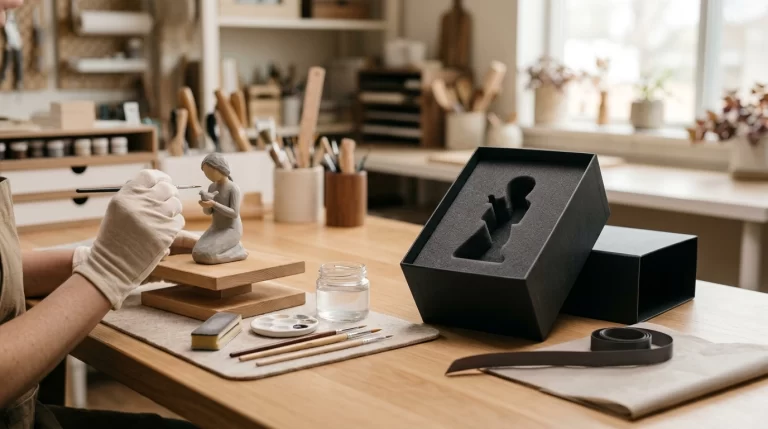
A glossy or metallic finish may need more surface protection than a raw functional part. Soft-touch coatings can mark if they rub against the insert. Matte surfaces can show dust or scuffs. Packaging should be tested with the actual finish, not with a raw print or unfinished sample.
For brand products, finish should connect to price level. A low-cost souvenir may not need a premium coating. A memorial or corporate gift may justify more finish work. The buyer should define whether the figurine is meant to look handmade, collectible, premium, toy-like or display-grade.
A good RFQ for resin figurine surface finish includes sample photos, target gloss level, color reference, handling expectation, packaging style and quantity. Those details turn finish from a vague word into a production instruction.
Finish can also change perceived detail. Gloss may make shadows sharper and colors deeper. Matte can make a model feel softer and more premium in some product categories. Metallic paint can distract from fine sculpt detail if used everywhere. The finish should support the product style instead of fighting it.
For batch production, keep the approved finish sample. Photograph it under normal light, then use it as the reference for later orders. Resin figurine surface finish is one of those details buyers notice quickly, even when they cannot name the coating.
Layer lines and support scars should be judged before color. Paint can hide small marks, but it can also make uneven sanding more visible. A black or glossy finish often exposes surface problems that looked acceptable on a grey raw print. That is why the finish sample should use the real color system.
Edges need restraint. Too much sanding can soften hair, clothing seams, engraved text and small logo details. Too little sanding can leave a rough handmade look. Resin figurine surface finish is not just about making everything smooth; it is about choosing which details should stay sharp and which process marks must disappear.
If the product will be handled often, ask about coating durability and packing contact. A display-only piece has different needs from a keychain-like souvenir or a corporate gift passed around at an event. Finish selection should follow use, not only the prettiest sample photo.
Cleaning before finish is easy to underestimate. Dust from sanding, uncured resin residue or fingerprints can create paint defects later. A clean surface does not sound exciting, but it is one of the places where resin figurine surface finish succeeds or fails before color is even applied.
Batch approval should include acceptable small marks on hidden areas. Demanding a flawless museum surface everywhere can make the price unrealistic. Let hidden contact points, back-side support cleanup or underside marks have a defined tolerance while keeping faces, logos and display fronts stricter.
If the buyer wants a handmade look, say it clearly. If the buyer wants a clean retail look, say that too. Resin figurine surface finish has different standards for art pieces, memorial gifts, promotional toys and corporate awards, and the quote should not pretend they are the same.
Touch points deserve extra review. Hands, noses, raised logos, base corners and hair tips get rubbed first during handling and packing. A finish that survives the broad surface but fails on the edges may still disappoint the buyer.