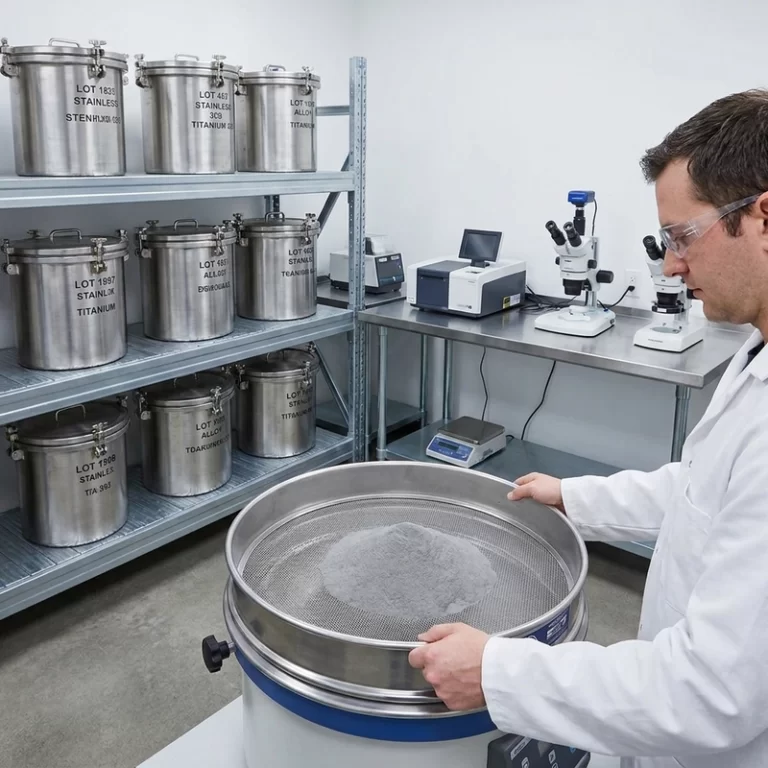
Metal 3D printing medical implants are not ordinary titanium prototypes with a medical label attached. The same printer that can make a porous sample or surgical trial part cannot automatically make an implantable device. For implants, the material, powder lot, surface, pores, cleaning, sterilization, traceability and regulatory pathway all have to line up. That is the boundary I want visible from the first paragraph.
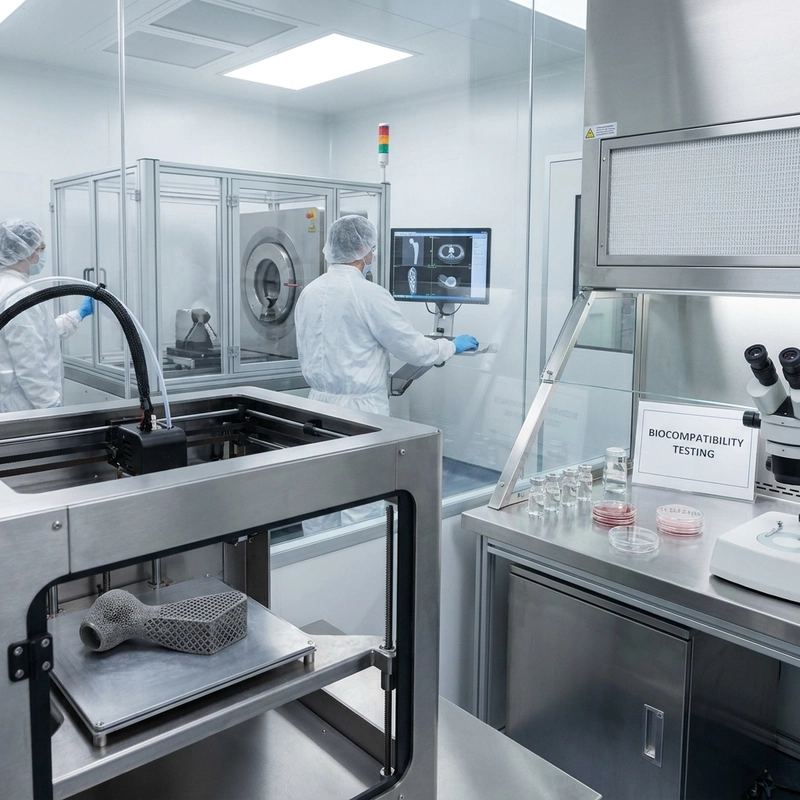
The technology is useful. It can create patient-matched geometry, porous bone-ingrowth zones, spinal cages, orthopedic structures, dental components and maxillofacial reconstruction concepts. It can also create unsafe expectations if the wording gets loose. This article is a manufacturing note, not medical advice. A printed metal part should not be presented as a clinical implant unless the required quality system and approval route support that claim.
Metal 3D Printing Medical Implants Start With Use Category
I separate medical prints into categories before discussing material: anatomical model, surgical guide, instrument, trial device, research scaffold or implantable device. Each one has a different risk level. An anatomical planning model may need accurate geometry and handling strength. A reusable instrument may need sterilization compatibility. An implantable part needs far more: biological evaluation, validated cleaning, mechanical performance, traceable records and regulatory review.
That distinction matters for RFQ language. A supplier may be able to print titanium prototypes or porous development samples while not being the legal manufacturer of implantable devices. The closer the part gets to a patient, the less room there is for casual wording.
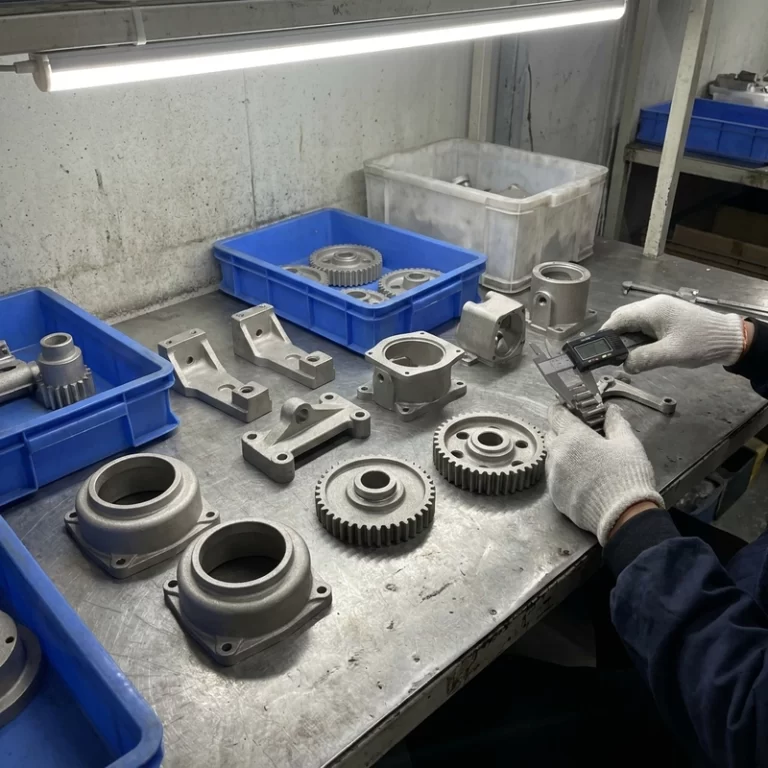
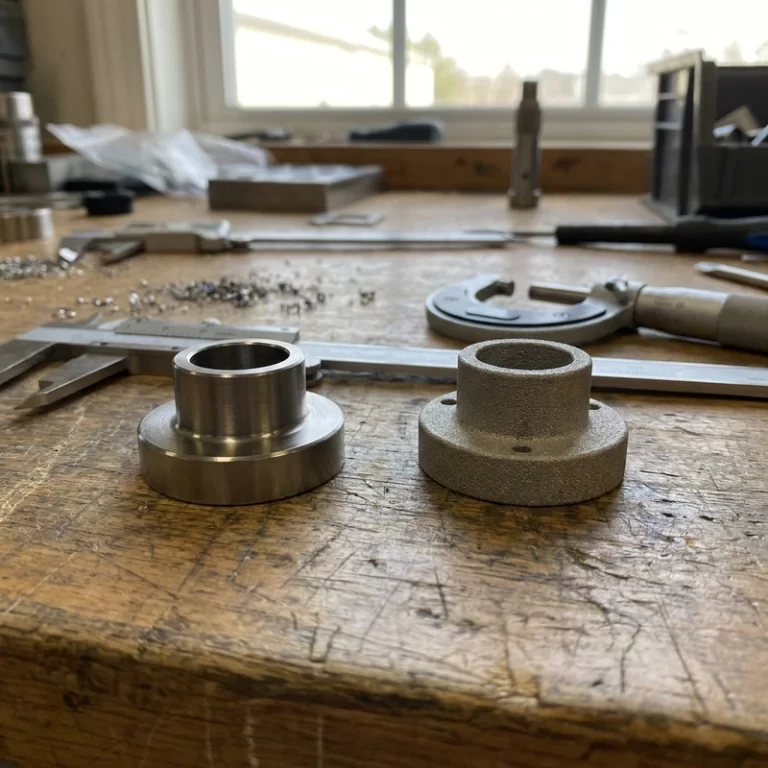
I also separate “medical-looking” surface from medical manufacturing. A clean titanium sample photographed on a bench can still have loose powder in pores, undocumented heat treatment, unknown cleaning residue or a surface that was blasted with media not suitable for the intended use. That does not make the print useless. It means the correct name may be prototype, anatomical sample, trial geometry or research coupon until the medical quality route is defined.
For adjacent process background, read the SLM metal 3D printing overview. For the research boundary around bioinks and scaffolds, see medical bioprinting 3D printing.
Porous Titanium Is Useful, But Not Simple
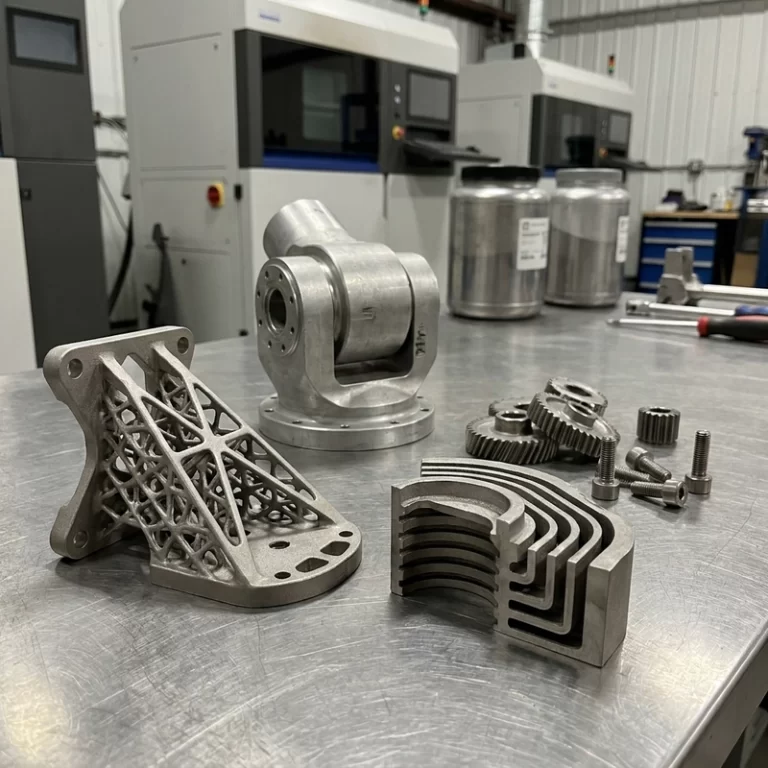
Porous design is one of the reasons metal printing matters in implants. Bone-facing surfaces can use controlled roughness or porous architecture to encourage ingrowth. Solid zones carry load. Transition zones connect the two. But porosity is not a “more is better” slider. Larger pores may help biological access but reduce strength. Smaller pores may increase surface area while trapping powder or becoming hard to clean.
The transition between solid and porous regions can become a stress concentration. Powder left inside pores is a cleanliness and particle risk. A rough surface may be helpful against bone but inappropriate near soft tissue or blood-contacting areas. I would not approve a porous implant design from a nice render. It needs mechanical testing, biological evaluation, cleaning validation and inspection criteria.
Post-processing can change that surface. Heat treatment may relieve stress but also changes microstructure. Blasting can remove loose particles and roughen exposed areas, but it may not reach deep pores. Chemical cleaning can help, yet it must be validated for residue and material compatibility. Sterilization is not a magic eraser for dirty manufacturing. It addresses microorganisms; it does not remove trapped powder, machining debris or uncontrolled surface chemistry.
Materials for Metal 3D Printing Medical Implants
Titanium alloys are common because of corrosion resistance, strength-to-weight ratio and established medical use in certain applications. Cobalt-chrome may be selected for strength and wear resistance in some devices. 316L stainless steel is useful for tools and selected medical hardware, but it is not automatically suitable for every implant environment. Tantalum and porous metals appear in specialized bone-ingrowth contexts, with cost and validation burdens.
Biocompatibility depends on chemistry, microstructure, residual powder, surface condition, cleaning, sterilization and intended tissue contact. A titanium alloy can still be unacceptable if oxygen pickup, contamination, lack of fusion, surface debris or cleaning failure are present. The FDA’s medical device resources, including its pages on medical devices, are a better starting point than supplier marketing language when regulatory scope is unclear.
Traceability and Inspection Are the Product
For medical implant work, traceability is not an extra file. It is part of the product. Powder batch, build record, machine status, parameters, orientation, heat treatment, support removal, cleaning, sterilization and inspection need to stay linked. Once a process is validated, laser power, scan speed, layer thickness and atmosphere cannot be changed casually because they affect porosity, residual stress, microstructure and fatigue behavior.
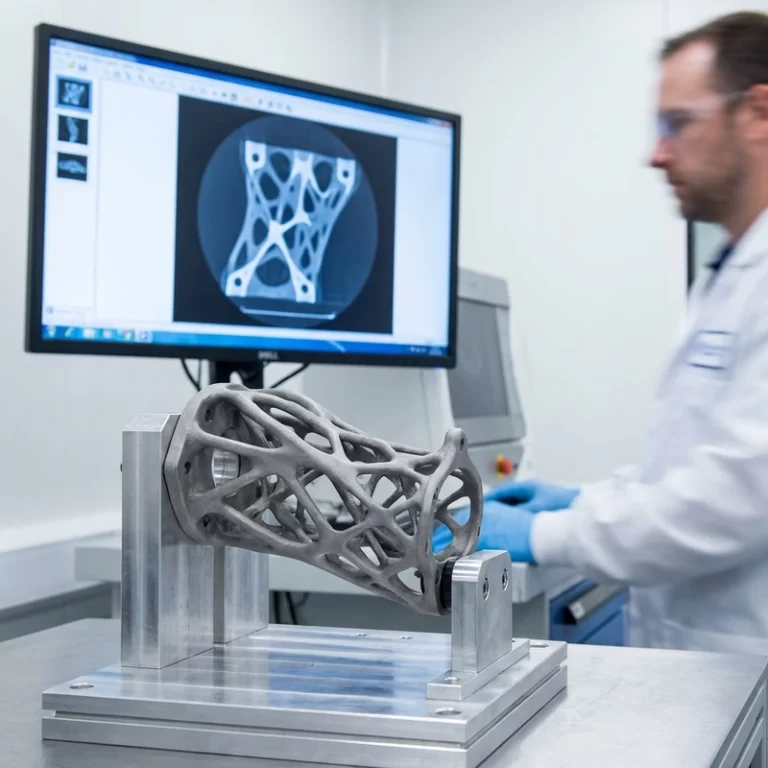
Inspection may include dimensional checks, CT or X-ray for internal defects, surface roughness, cleanliness testing, mechanical coupons, fatigue testing and packaging validation. The correct list depends on the device and market. When documentation is missing, call the part a research or prototype article. Do not call it an implant.
Packaging also belongs in the discussion earlier than many teams expect. A part that passes dimensional inspection can still be damaged by handling, contamination, label mix-up or an unvalidated sterile barrier. For early development, a simple protected prototype package may be enough. For clinical or commercial use, packaging, labeling and shelf-life validation become part of the device system, not a shipping afterthought.
For metal 3D printing medical implants, the first serious review should sound dry: intended use, legal manufacturer, material specification, powder traceability, surface zones, cleaning route, sterilization responsibility and inspection evidence. If those items are not defined, the work should stay in prototype or research language.
A safe RFQ starts by stating the use category, alloy standard, surface zones, required documentation, regulatory market, cleaning route and who owns biological evaluation. Metal 3D printing medical implants can be powerful, but only inside a controlled design and regulatory system. Outside that system, they are prototypes, samples or research parts, no matter how good the titanium surface looks.