Medical bioprinting 3D printing is easy to overhype, so I start with the boring boundary. A printed anatomical model, a biodegradable scaffold and a cell-laden tissue construct are not the same thing. Medical bioprinting 3D printing is a research-heavy field where bioink behavior, cell viability, sterility, culture conditions and regulatory validation matter more than a dramatic headline about printed organs.
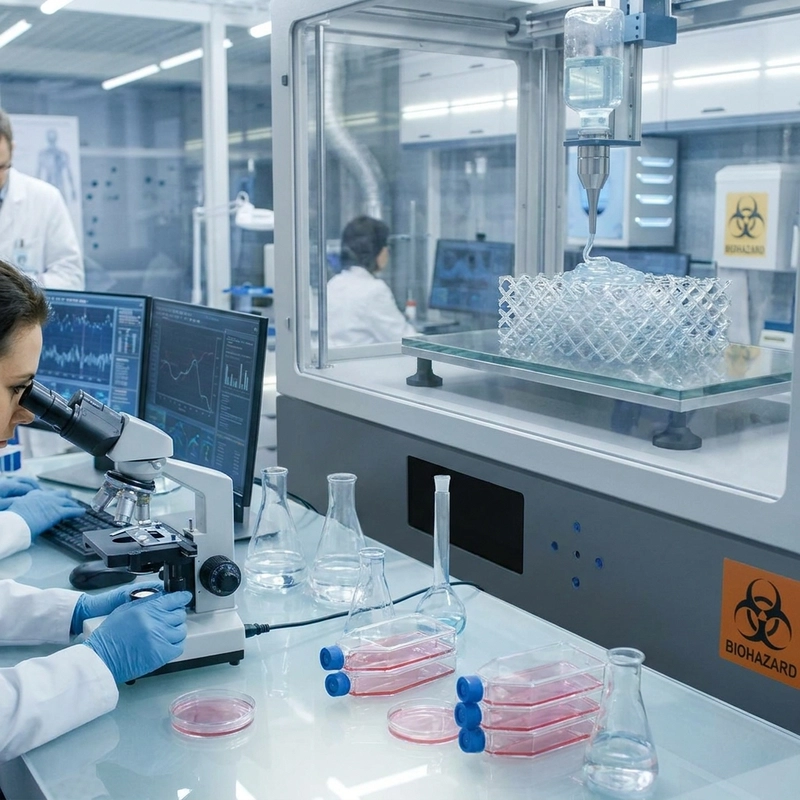
The useful question is not whether a whole replacement organ can be printed tomorrow. The useful question is whether a particular bioink can flow through a nozzle without killing cells, hold shape after deposition, support the intended cell function and be tested over time. That is where the real work sits.
Medical Bioprinting 3D Printing Depends on Bioink Behavior
Bioink has to do two conflicting jobs. It must flow under pressure, then recover enough structure to hold the printed shape. The source notes useful viscosity examples around 1000-5000 mPa.s for many cell-printing discussions, with shear-thinning behavior preferred. If viscosity is too low, printed strands collapse. If it is too high, nozzle pressure and shear can injure cells.
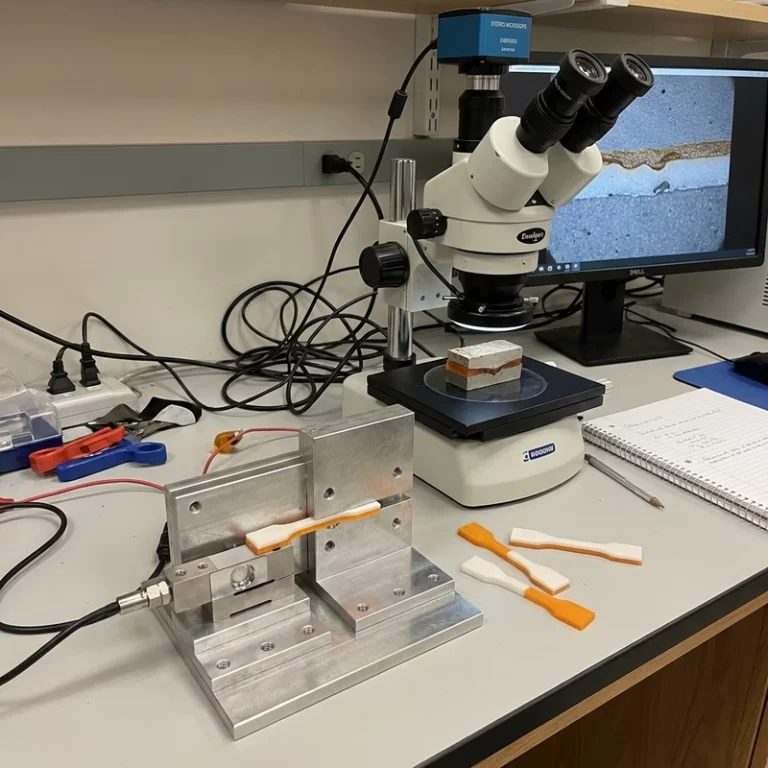
Shear stress is one of the quiet failure modes. The source warns that when shear force exceeds about 100 Pa in some examples, cell survival can fall sharply. Nozzle diameter, print pressure, speed, bioink formulation and cell type all change this risk. A clean-looking strand under a microscope is not enough if the cells are no longer viable or functional.
Resolution has the same tradeoff. Smaller nozzles can draw finer strands, but they raise pressure and shear. Larger nozzles are gentler to some cell suspensions and clog less easily, but strand size grows and fine vascular-like features become harder. Crosslinking method matters too. Ionic crosslinking, light curing, temperature gelation and enzymatic routes each change cell exposure, print speed and final stiffness. I would not pick a nozzle diameter from a pretty picture; I would pick it from the bioink, cell tolerance and test method.
Temperature Control in Medical Bioprinting 3D Printing
Many mammalian cells prefer conditions near 37 C. The source emphasizes ink, nozzle and platform control close to 37 C, with tighter control such as +/-0.5 C or +/-0.3 C for sensitive cells in some workflows. Low temperature can slow cell activity or create cold stress. Temperatures above about 40 C can damage proteins and reduce cell viability.
I would not judge a bioprint immediately after extrusion only. Viability should be checked before printing, right after printing and after culture. Function matters too. A cell that survives but does not proliferate, differentiate or produce the expected matrix is not doing the job. This is why medical bioprinting 3D printing belongs in laboratory validation, not quick production language.
Sterility control is another place where casual language gets dangerous. A normal prototype lab can make useful anatomical models, but cell-laden printing needs sterile materials, sterile handling, controlled culture, incubator records and contamination monitoring. Even the time between mixing bioink and printing can change viscosity and cell behavior. When a process takes longer than expected, the print may still finish while the biology has already drifted.
For metal implant manufacturing boundaries, compare this with metal 3D printing medical implants. For non-implant educational or planning models, the manufacturing requirements are different and usually less biologically complex.
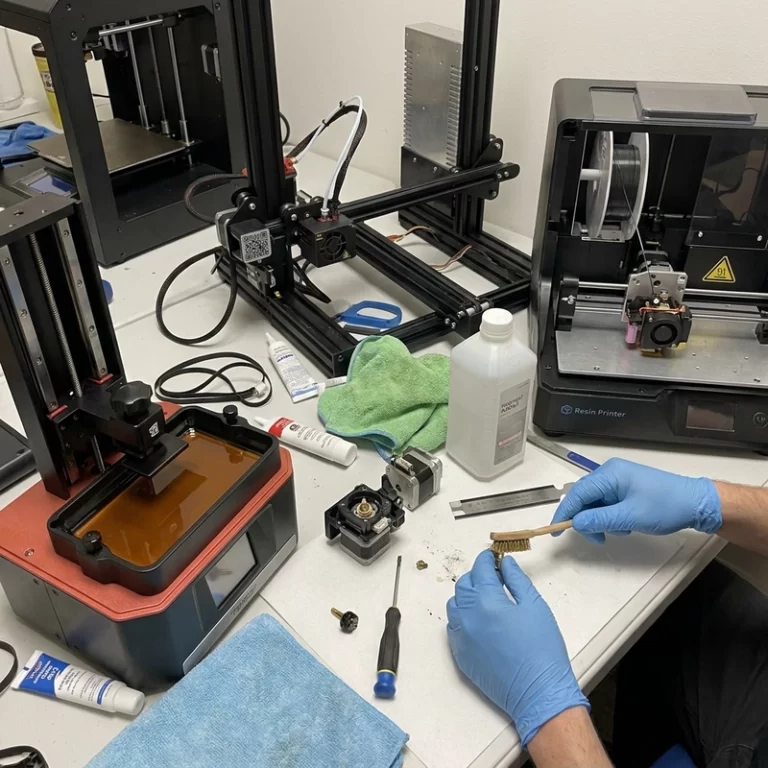
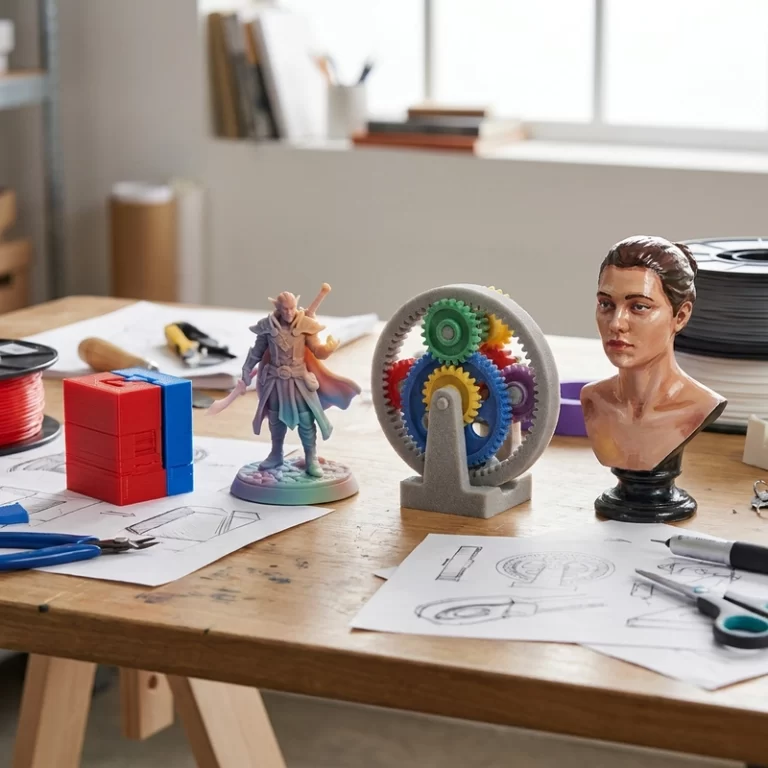
For conventional polymer or resin prototypes used as medical training aids, the conversation moves back toward dimensional accuracy, surface finish, cleaning and handling strength. That is a very different risk profile from a living construct. Mixing those two topics in one sales sentence is how readers get misled.
If the goal is only a non-living training model or planning model, a resin route may be more realistic than cell printing. The SLA resin 3D printing guide is a better place to check accuracy, surface and material limits for those physical models. That separation keeps medical bioprinting 3D printing from being used as a loose label for ordinary plastic parts.
For a broader manufacturing vocabulary, the ISO/ASTM 52900 additive manufacturing vocabulary is useful. It helps keep process terms clean, but it does not decide whether a biological construct is safe or clinically ready.
Biodegradable Materials Are Timing Problems
Biodegradable scaffolds bring another tradeoff. PLA or PLA/HA can be used in bone scaffold research, with source references around 180-210 C FDM temperature and tensile strength examples around 50-70 MPa. PCL melts around 60 C and may degrade over 2-4 years in some contexts. Collagen, chitosan and alginate appear in hydrogel and bioink work. None of these materials is automatically a clinical implant.
The degradation clock must match healing. If a scaffold loses strength too early, tissue support is gone. If it stays too long, inflammation or foreign-body response may become a concern. Degradation products, pH change, mechanical loss and tissue response need testing over time. Day-one shape is not the same as a safe degradation profile.
Where the Boundary Should Stay Clear
Anatomical models, training models and non-implant prototypes can be practical manufacturing products today. Cell-laden constructs, tissue engineering scaffolds and implantable biodegradable devices require specialized labs, sterile workflows, biological evaluation, animal studies, clinical evidence and regulatory review. The FDA’s medical device information is a safer reference point than dramatic product claims when patient use is involved.
A credible RFQ or research brief should say whether the part is a model, scaffold, in vitro research sample or implant concept. It should list bioink, cell type, temperature range, nozzle size, shear concern, sterility requirement, culture time and test method. Medical bioprinting 3D printing becomes useful when those details are controlled. Without them, it is only an interesting shape.