
Topology Optimization for 3D Printing: The Load Case Matters More Than the Mesh
Topology optimization for 3D printing only works when load cases, keep-out zones, support removal, CAD cleanup, machining and inspection are planned.
Global B2B Custom 3D Printing & Prototyping Manufacturing Supplier
Zesmir design guides focus on the decisions that affect whether a part can be printed, finished, measured and assembled as intended. Topics include wall thickness, holes, threads, support contact, orientation, dimensional tolerance, file preparation and hybrid CNC finishing. Use the relevant guide while preparing a model, then send the actual file for a project-specific review.
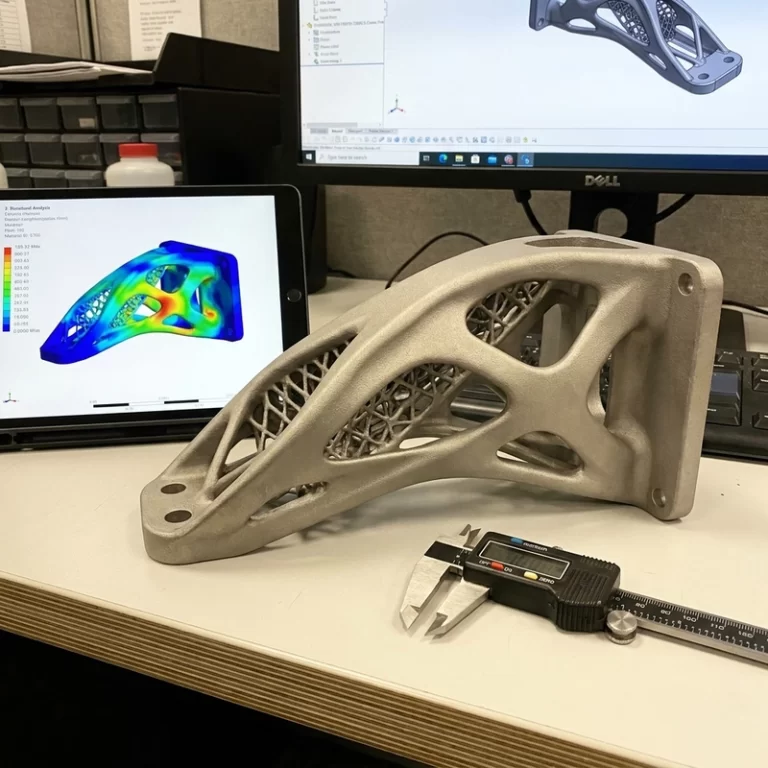
Topology optimization for 3D printing only works when load cases, keep-out zones, support removal, CAD cleanup, machining and inspection are planned.
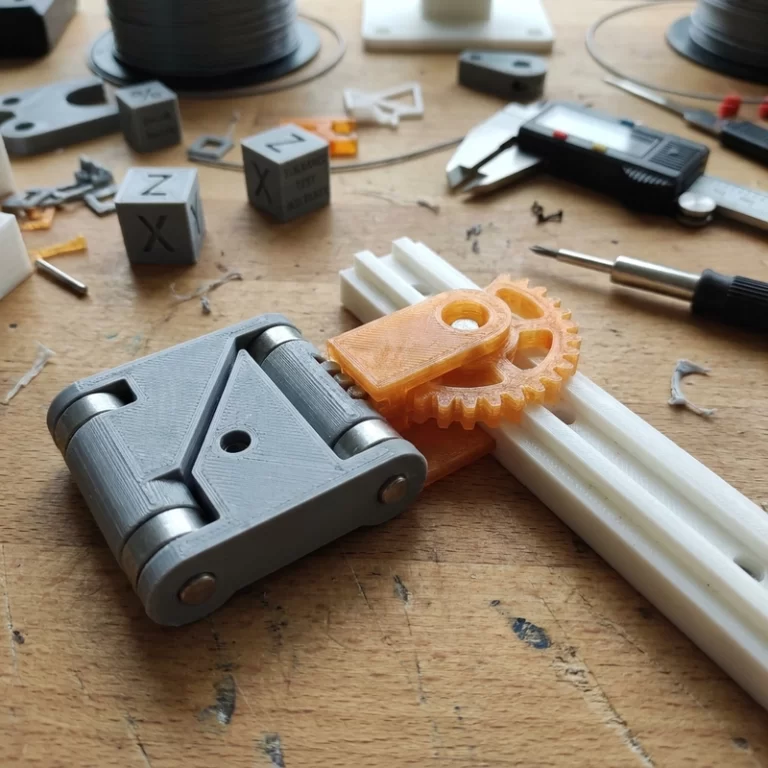
3D printed moving joints need clearance coupons, shrinkage checks, material choice, wear review and cleanup planning before a hinge or gear can move reliably.
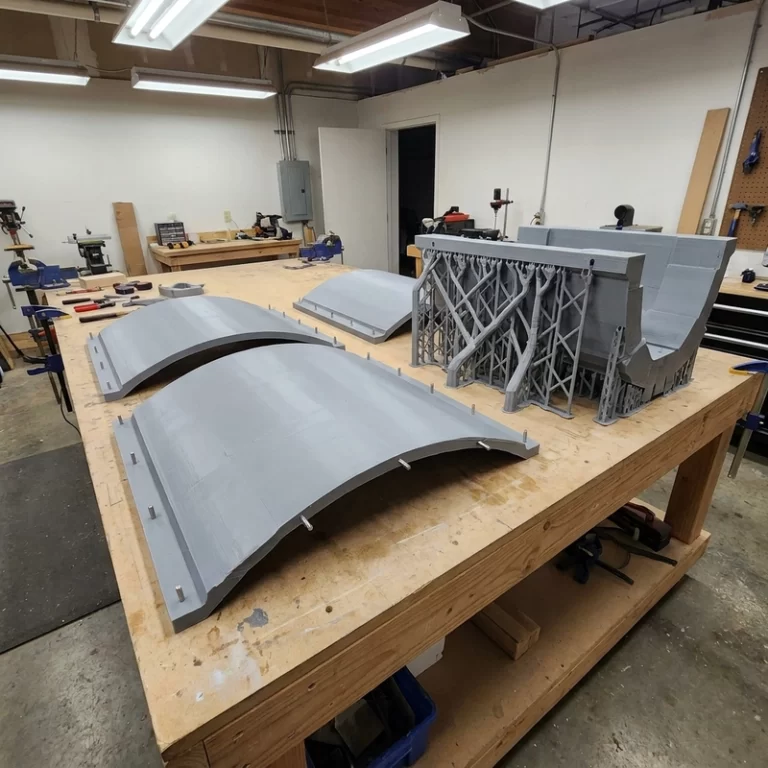
Large-format 3D printing distortion comes from shrinkage, heat, gravity, weak supports and poor segmentation, so assembly planning matters.
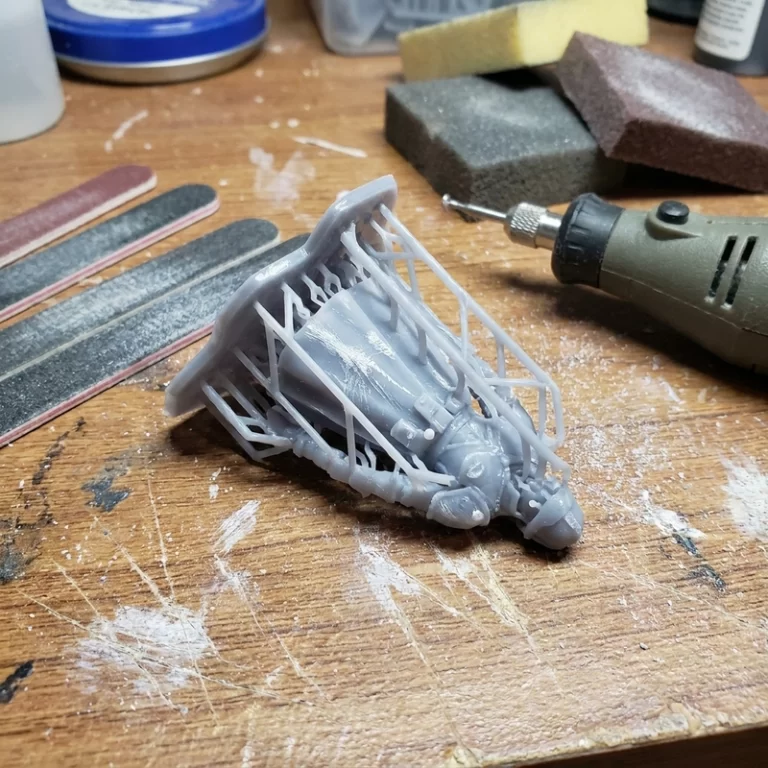
3D printing support design controls contact points, overhangs, surface scars, removal access, material waste and finishing risk.
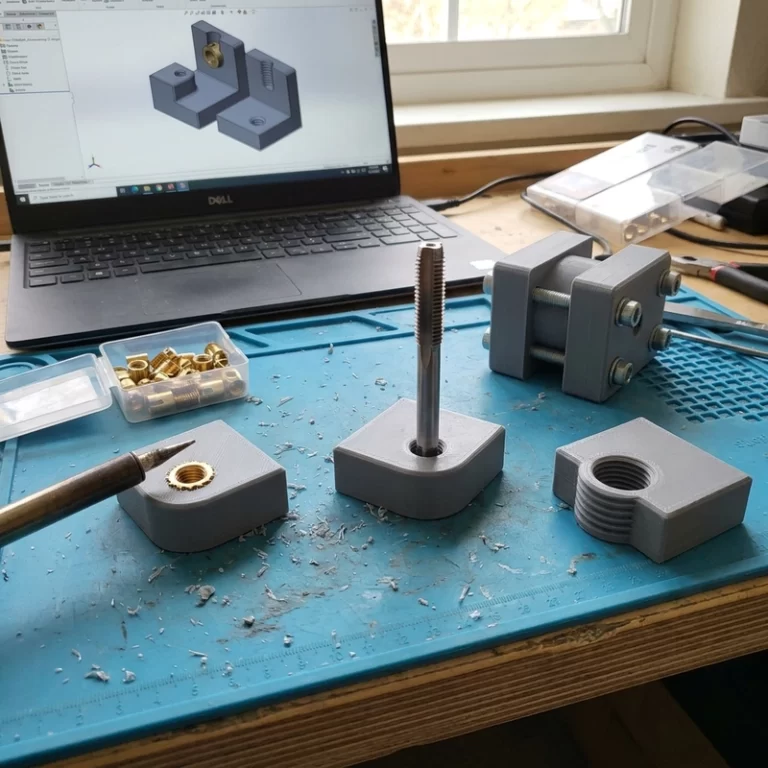
3D printed threads and inserts need the right pilot holes, boss walls, tapping allowance, insert method, torque check and finishing review.
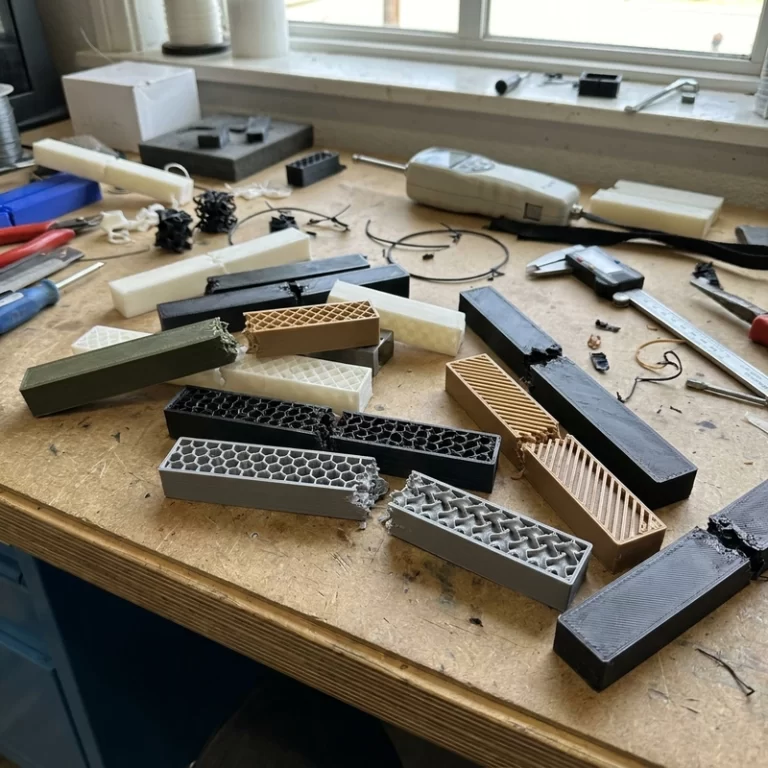
3D printed part strength depends on load path, orientation, wall thickness, infill, material toughness, layer bonding and assembly details.
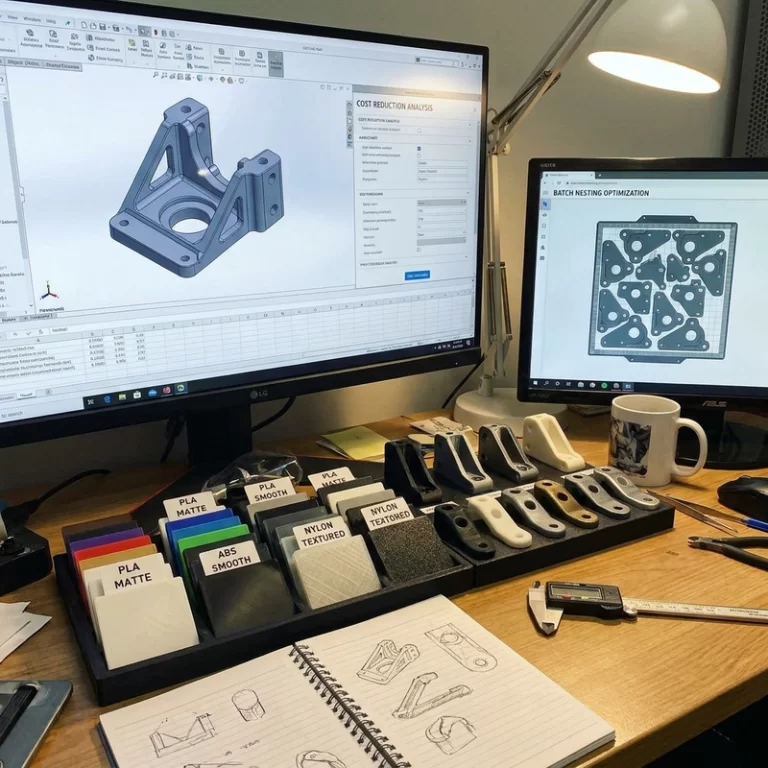
3D printing cost reduction comes from design, material choice, batch planning, support reduction, finishing scope and clean RFQ data.
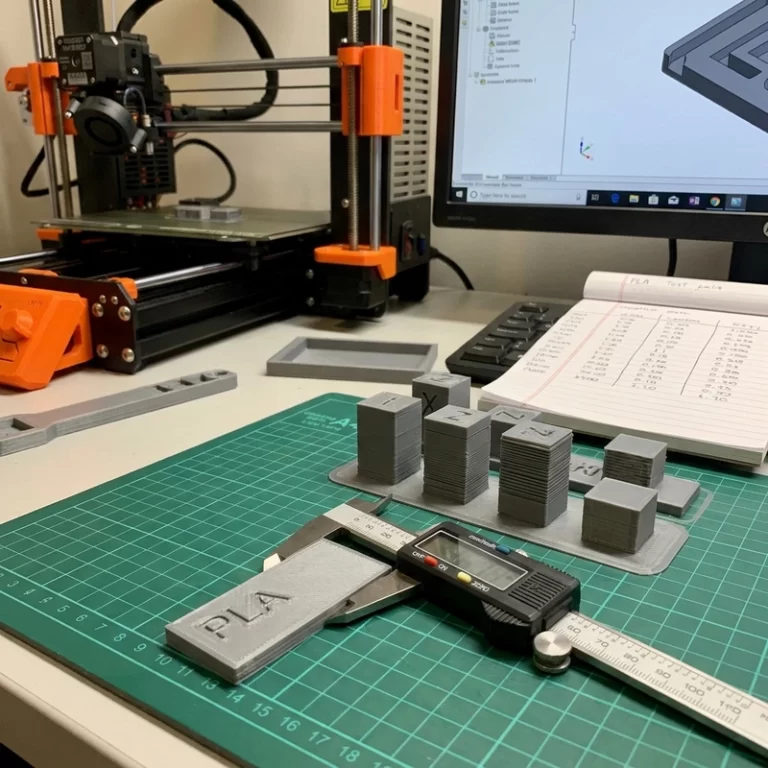
3D printing accuracy parameters include layer height, calibration, shrinkage, orientation, post-processing and the way critical features are measured.

3D printing file preparation should include STL or STEP files, units, wall thickness, tolerance, material, finish, quantity and critical surfaces.
Your cart is currently empty!
Notifications