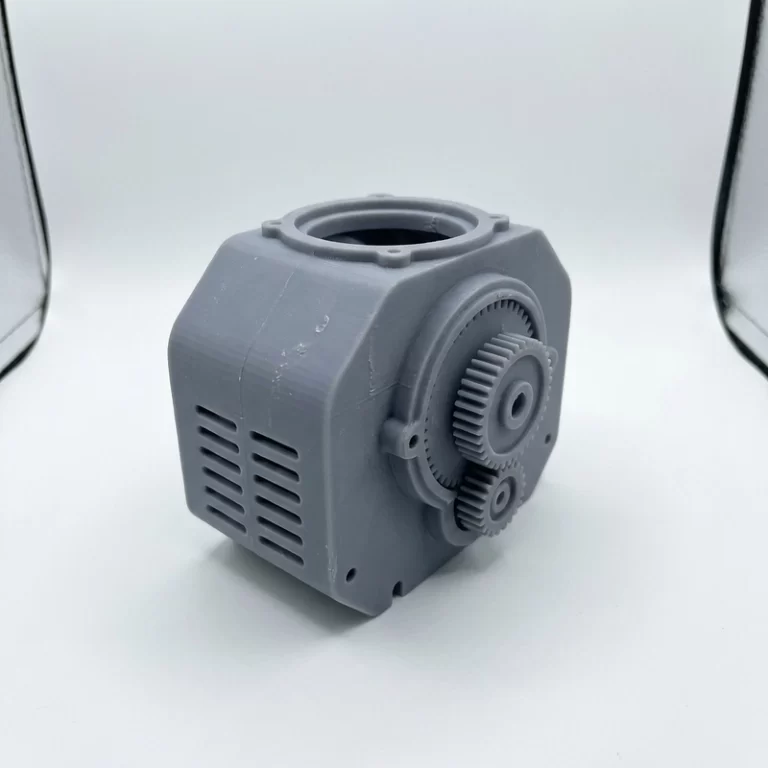
When comparing SLA vs FDM for a handle prototype, start with what the sample must prove. SLA is worth considering for a smooth grip shape, fine contours and painted appearance review. FDM can be a candidate for early assembly and functional trials. Neither process name establishes whether a handle will survive pulling, twisting or repeated use: the material grade, geometry, build orientation and test conditions need to be reviewed together.
A display sample and a loaded test sample may need different specifications. For a one-off prototype, separating those jobs can be more useful than asking one material to simulate every property of the final product.
Define the job before comparing SLA vs FDM
Holding a handle to assess comfort is not the same as attaching it to a device and using it to lift a load. Describe the review in practical terms:
- Grip assessment: finger position, palm contact, edge comfort and different hand positions.
- Appearance assessment: curves, seams, texture, color and painted finish.
- Assembly assessment: mounting holes, fasteners, contact faces and clearance to nearby parts.
- Functional testing: pulling, bending, twisting, impact or repeated movement under specified conditions.
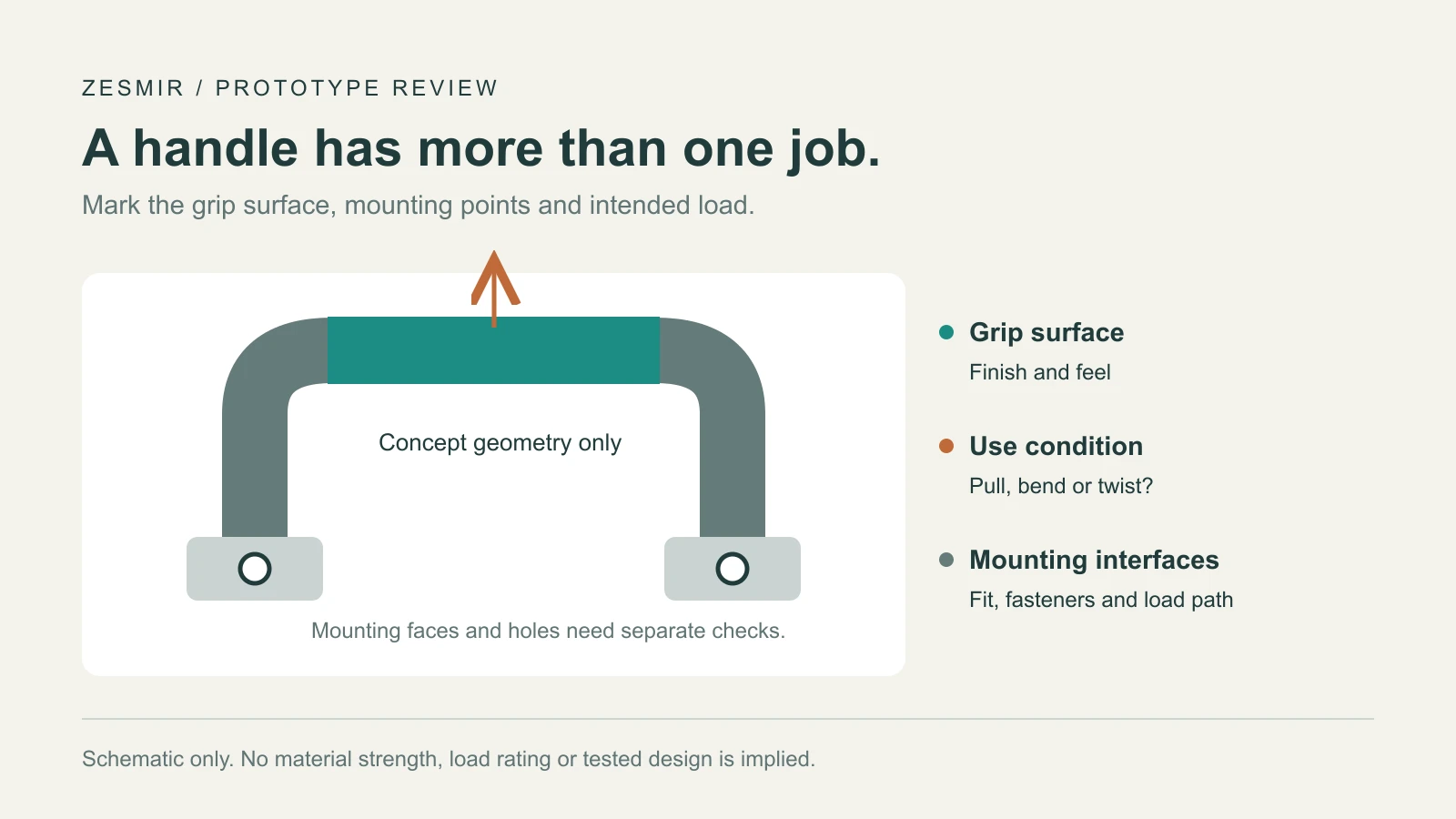
If the loads are not yet known, explain the intended action and what is fixed. A carry handle bolted to a housing has different concerns from a thin-necked knob. Show whether a screw only locates the part or also transfers load. “High strength” does not communicate those differences.
SLA surface quality still depends on finishing
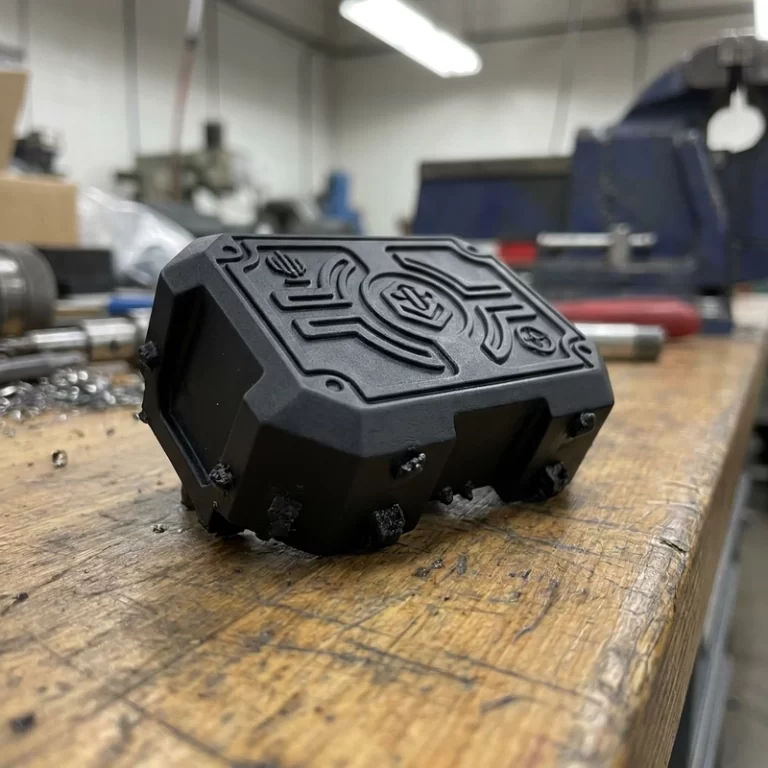
SLA forms parts by curing liquid photopolymer resin. For a handle with continuous curves and small surface details, it can provide a useful starting point for appearance review. The important question is which surfaces need attention after printing.
Supports, support removal, washing, curing and sanding can affect the result. Mark the main grip and visible faces before requesting a quote. A support contact that is acceptable on an accessible underside may be awkward on the surface a reviewer will touch. Formlabs’ SLA model-orientation guidance provides general background on orientation and support placement; the actual plan needs to fit the geometry.
Resin grades also differ. An appearance resin and a resin intended for more compliant or impact-resistant prototypes are not interchangeable specifications. Formlabs’ Durable Resin guidance illustrates how one named grade has particular applications, limitations and post-curing requirements. It is not evidence that every SLA resin behaves the same way, or that Zesmir supplies that grade. Ask for the proposed material and its relevant datasheet before approving a functional sample.
Zesmir’s material routes include 9000HE resin for SLA and ABS for FDM. They are useful starting points for a project review, not interchangeable specifications: identify whether this handle is for appearance, assembly or a loaded trial before selecting the material. A named grade does not turn an appearance sample into a validated load-bearing component. Confirm the current material proposal and processing conditions in the quotation.
FDM needs a load-path review, not just a higher infill setting
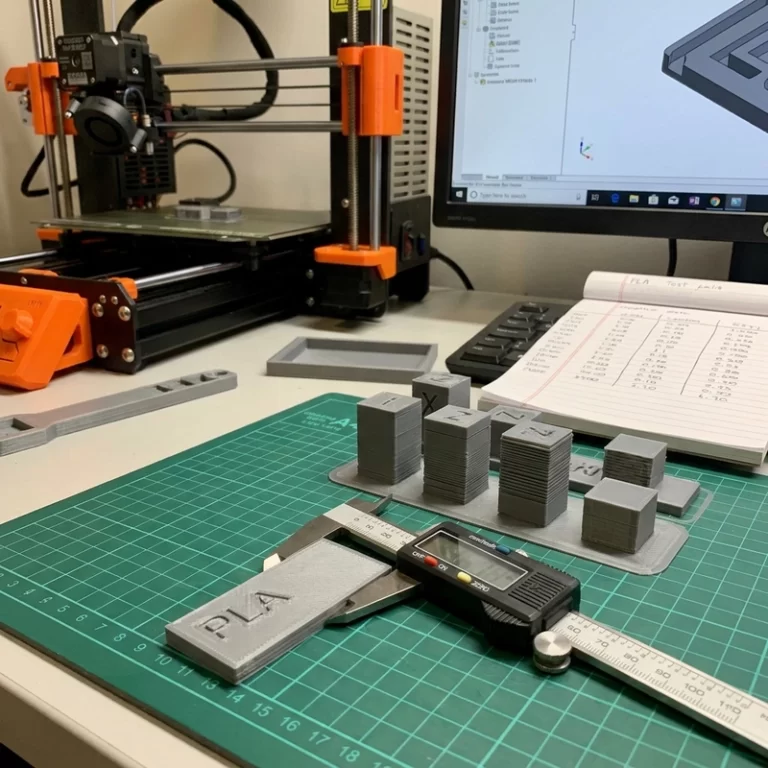
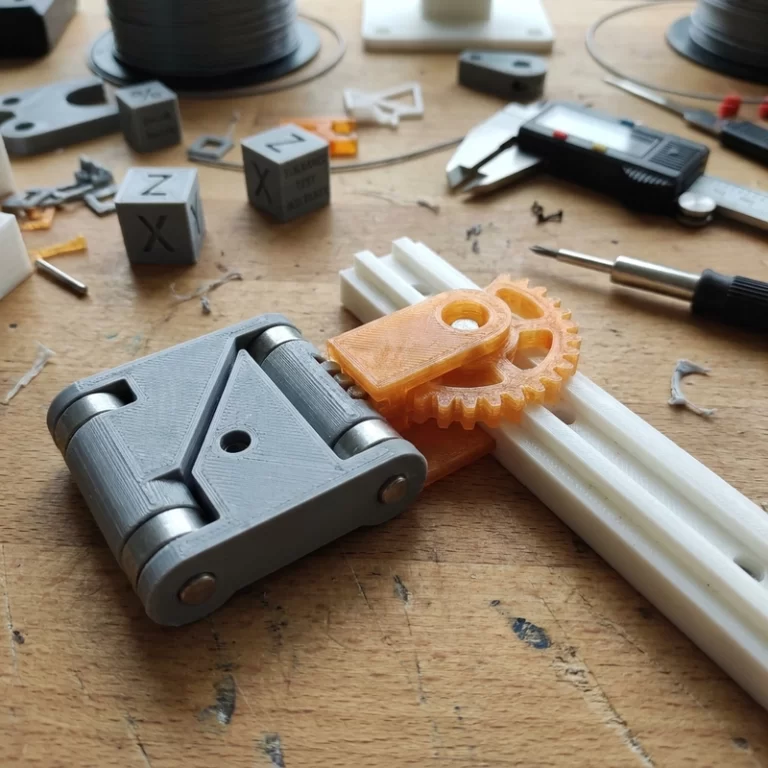
FDM builds a part by depositing thermoplastic material in successive layers. It can be considered when the shape will change through several iterations, when assembly matters, or when an early functional sample is needed.
For a handle, discuss orientation alongside the mounting holes, neck, corners and fastener seats. The way a load crosses the printed structure matters. Increasing infill alone does not remove the need to check thin regions, layer bonding and concentrated loads around a connection.
Surface texture is a separate issue. Layer lines can influence how a grip feels, so specify whether the evaluation will use the as-printed surface or a finished surface. Sanding or coating adds work and may affect fit-sensitive areas. Compare quotes on the same finishing scope rather than comparing a raw FDM print with a finished SLA sample.
Compare SLA vs FDM against the requirements
| Decision | SLA candidate | FDM candidate | What the RFQ should state |
|---|---|---|---|
| Grip shape and appearance | Review resin, supports and finish | Review layer texture and finish | Grip faces, visible faces and surface expectations |
| Functional trial | Review a specific grade and processing conditions | Review material, orientation and print settings | Load, fixation, environment and repeated actions |
| Mounting connection | Check holes, thin regions and support access | Check holes, orientation and layer bonding | Fasteners, inserts and mating-part details |
| Iteration cost | Include model changes and finishing | Include trial builds, orientation changes and finishing | What this revision must establish |
| Relevance to production | Evidence about this prototype | Evidence about this prototype | Neither automatically validates the final production material |
There is no universal winner in this comparison. Quote an appearance route and a functional route separately if their requirements conflict. Combine them only when a reviewed specification can serve both purposes.
Check the connection before trying to break the handle
Identify the mounting holes, thin necks, internal corners, clips and screw-clamping areas. Show where the load enters and where the part is restrained. A useful review sequence is:
- Describe the action, fixation and environment, distinguishing occasional handling from repeated loading.
- Mark critical dimensions, contact faces and potentially weak regions.
- Compare available material data with the proposed build and finishing plan.
- Agree how uncertain connections or thin features will be checked on the sample.
- Use the result to decide whether to change the structure, material or manufacturing route.
A prototype is not a substitute for engineering validation where failure could harm a person or damage equipment. If the purpose is to investigate the behavior of a particular production plastic, also consider whether a machined sample in that material would answer the question better. A material described as “ABS-like” should not be treated as a complete equivalent to molded ABS.
Send surface notes and test notes in the same RFQ
Add an annotated view to the model. Mark the grip, display surfaces, mounting faces and dimensions that must not change. Include the assembly or mating-part information where available.
For the quote, state the sample’s purpose, mounting and loading method, known environment, finishing requirements and any checks you expect. Say whether separate appearance and functional proposals would be acceptable. Material availability, finishing and additional testing should be confirmed before ordering.
The STL and STEP quotation-file guide explains the supporting file package. If painted appearance is the main objective, the painted SLA prototype RFQ article covers cosmetic and no-paint surfaces in more detail.
Questions buyers ask
Is an SLA handle always easier to break than an FDM handle?
No reliable conclusion follows from the process names alone. Compare the actual grades, structure, orientation, processing and intended test. A quote that only says “SLA” or “FDM” leaves important information unspecified.
Does painting an FDM print make it stronger?
Painting is a finishing operation, not proof of improved structural performance. Its effect on appearance and fit should be assessed separately from load-bearing behavior.
Does a one-off sample need a test plan?
It does not necessarily need a lengthy report, but it needs a clear purpose. For a loaded trial, record the material, orientation, fixation and result so the next revision can address a specific problem rather than only “it broke.”
Can one prototype establish the final handle’s durability?
Not automatically. A trial can inform a design decision under its stated conditions. It does not establish every production material property or service condition.
Request a review that matches this revision
Send the model, surface markup and intended use through Zesmir’s manual RFQ contact page. Ask for a review of feasible material and process routes for that purpose. Initial file and quotation review does not constitute structural validation; agree the manufacturing, finishing and any extra testing scope before ordering.