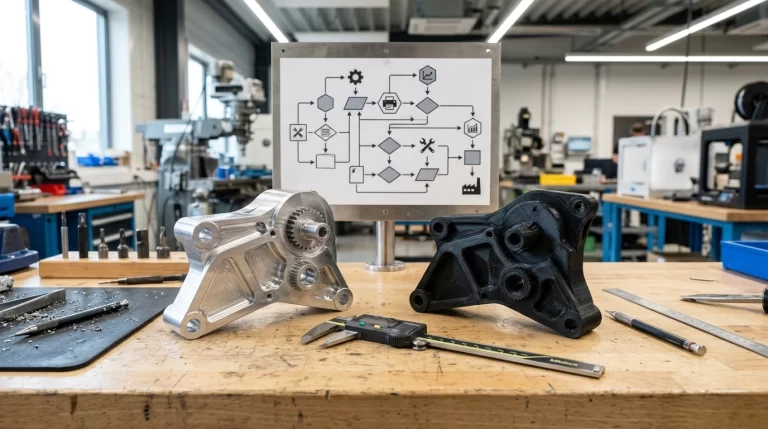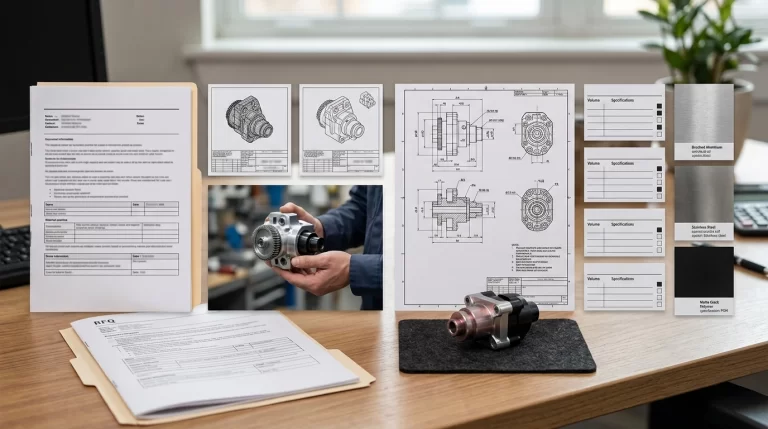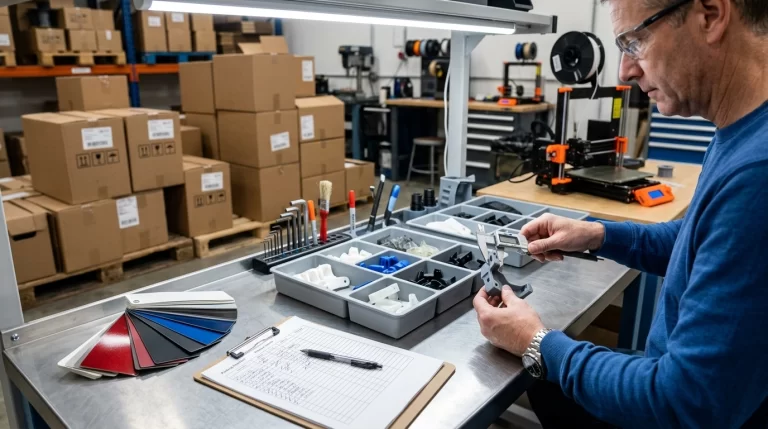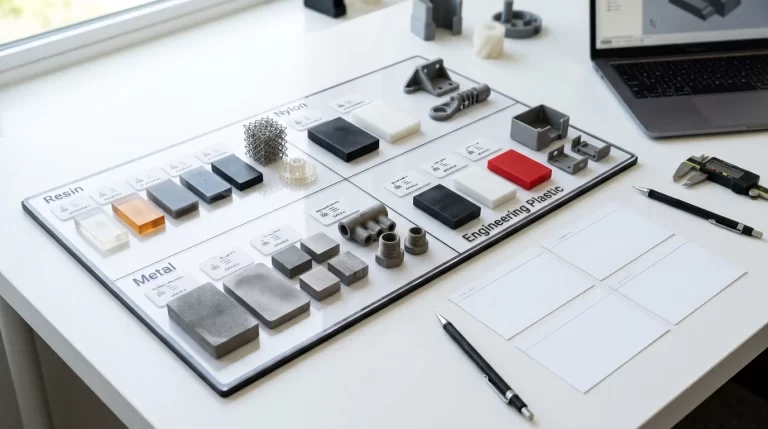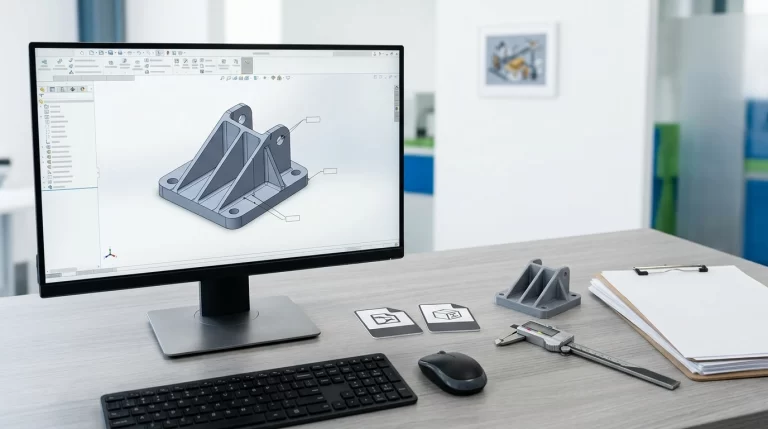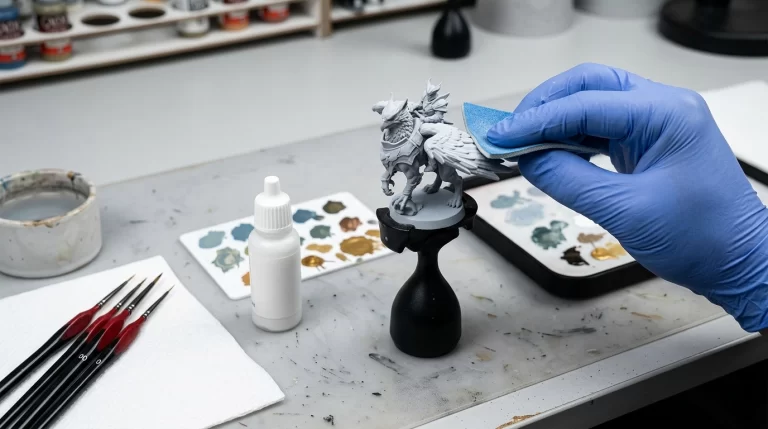
Event souvenir 3D printing works best when the buyer needs a limited run, fast design changes or a custom shape that does not justify a mold. It is not a shortcut for every gift order. It is a flexible route for launches, conferences, tourist events, school activities, brand campaigns and small-batch collectible gifts.
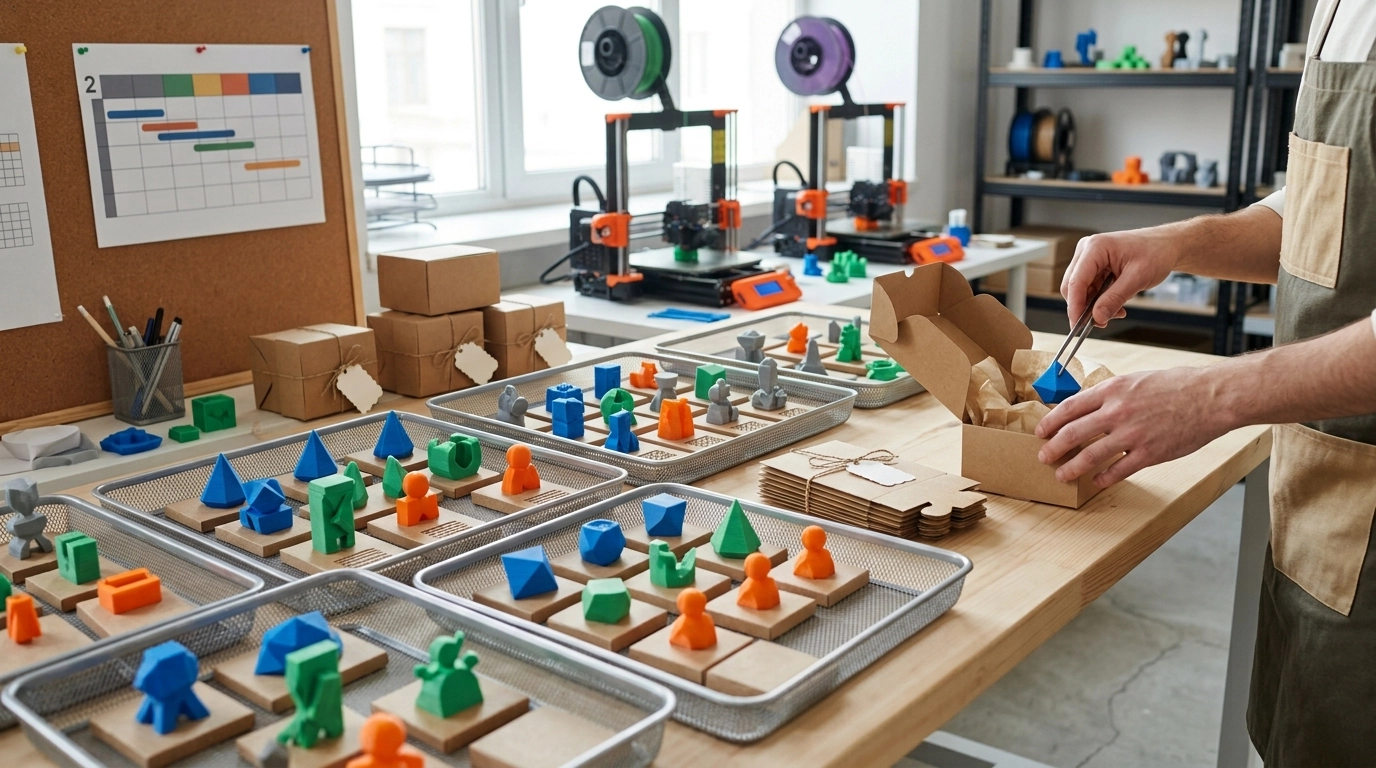
The biggest risk is deadline confidence. A printed souvenir still needs file review, sample approval, finishing, packing and shipping. If the event date is fixed, the sample schedule should be fixed too.
Event Souvenir 3D Printing Is Useful for Mold-Free Batches
For 20, 50 or 200 customized gifts, avoiding mold cost can make sense. Names, logos, event dates, city landmarks, mascots and limited-edition bases can be changed quickly. That flexibility is difficult with traditional tooling when the design is still moving.
Cost still depends on material, size, finishing and packaging. The article on engineering plastic 3D printing cost gives broader cost context, and 3D printing cost reduction explains why finish and design choices matter.
Design for Handling and Packing
Event gifts are handled by many people. Thin flags, tiny letters, long antennas or unsupported shapes may look good in a render and break in a gift box. A base can protect the model, carry branding and make packing easier. If the product must sit on a desk, base flatness matters more than many buyers expect.
If the souvenir will be painted, leave enough time for primer, drying, color approval and clear coat. If it will be full color, prepare texture files and proof samples. If it will be packed individually, approve the box before production.
Event Souvenir 3D Printing Needs Sample Approval
A sample should confirm size, weight, surface, color, logo, base and packaging. Do not approve only the digital render. The real object may feel smaller, heavier, rougher or more fragile than expected.
Shipping guidance from carriers such as DHL packing advice is useful background. For event souvenir 3D printing, the real planning rule is simple: lock the sample early, keep the design robust, and treat packaging as part of the product.
Branding Should Be Designed Into the Part
Logos, dates and event names should be sized for printing and finishing. Tiny raised text may look good in a rendering and become soft after primer or paint. Engraved text may collect paint or shadow. A separate base plate or printed label can sometimes look cleaner than forcing every detail into the model.
If the event has multiple versions, design the shared base and change only the top figure, color or text. That makes quoting and production easier. It also helps the buyer reorder a variant without starting from nothing.
Event souvenir 3D printing is strongest when the buyer uses its flexibility wisely: short runs, local themes, fast updates and approved packaging. It is weaker when the buyer expects mold-level unit cost from a one-week custom batch.
For event projects, the quote should separate sample deadline, production deadline and shipping deadline. If the event date is immovable, the sample cannot drift. A buyer who approves the sample late should expect fewer options for finish and packaging changes.
Event souvenir 3D printing can also work as a market test. A tourism shop or brand can order a limited run, track which design sells, then revise the next batch. That is a better use of additive manufacturing than pretending the first design must be perfect forever.
The biggest mistake is leaving approval until the event is too close. A sample can reveal soft text, unstable standing, weak hooks, paint color mismatch or a box that does not fit the display table. If the sample arrives late, every correction becomes a schedule problem instead of a design choice.
Small souvenirs should be checked by hand, not only by sight. Does the keychain hole feel strong? Does the magnet sit flat? Does the base tip over? Can a visitor put it into a bag without scratching the paint? Event souvenir 3D printing is often about normal handling, not extreme engineering loads.
When the event has sponsors, logo priority should be settled before modeling. Too many logos can make a small object ugly and hard to finish. A clean base, tag or printed card may carry sponsor information better than tiny raised text on the model itself.
Personalization should be limited if the deadline is tight. Names, seat numbers, dates or city variants are possible, but each variable adds file handling and packing risk. For event souvenir 3D printing, a controlled personalization field is safer than letting every piece become a separate design job.
I would also check how the souvenir will be distributed. Handout table, VIP gift box, retail shelf and mail-out package all need different packing. A part that survives warehouse shipping may still be awkward for event staff if cartons are poorly labeled or units are hard to remove quickly.
After the event, keep sales or giveaway feedback. Which color moved first? Which part broke? Which package was hard to open? That information makes the next event souvenir 3D printing order smarter instead of starting from the same assumptions.