Custom memorial figurines need a different kind of care from ordinary promotional gifts. The manufacturing questions are familiar: photo quality, likeness, material, painting, packaging and shipping. The tone is not. A memorial product should be handled with clear expectations and quiet accuracy, not exaggerated promises.
I would be careful with words like “perfect.” A figurine can preserve pose, clothing, expression and a familiar detail, but it is still a made object based on available references. Good work starts by explaining what the photos show and what the artist must interpret.
Custom Memorial Figurines Start With Reference Quality
Clear front, side and full-body photos help. Clothing details, hairstyle, glasses, jewelry, pet markings or a preferred pose should be sent early. If only one photo is available, the project may still proceed, but the buyer should expect more interpretation. Approval of the digital sculpt becomes important.
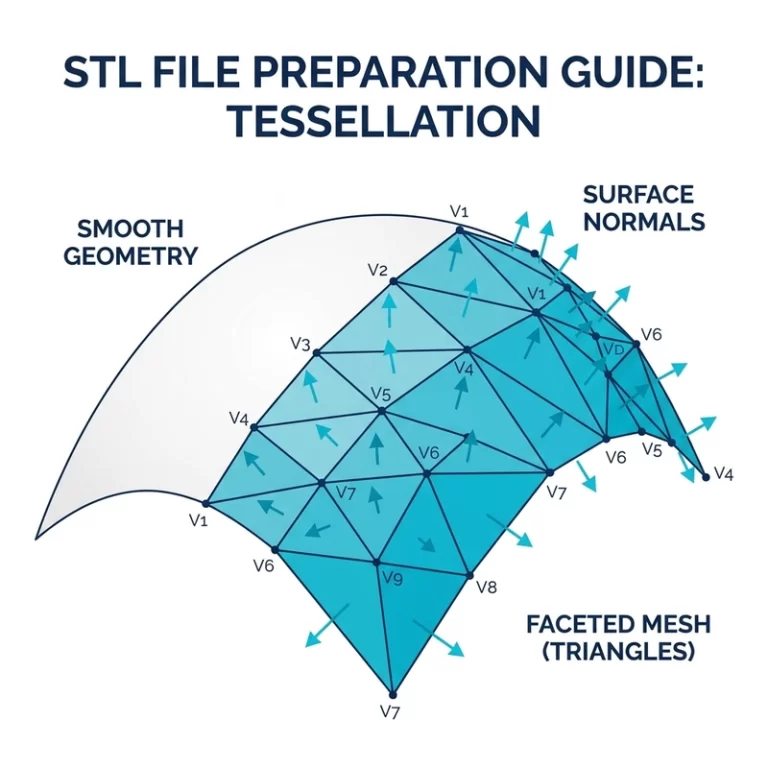
For photo-to-model work, the article on resin figurine material helps connect model detail with material and paint behavior. For full-color possibilities, WJP full-color resin 3D printing can be considered, depending on the visual target.
Material, Painting and Surface Expectations
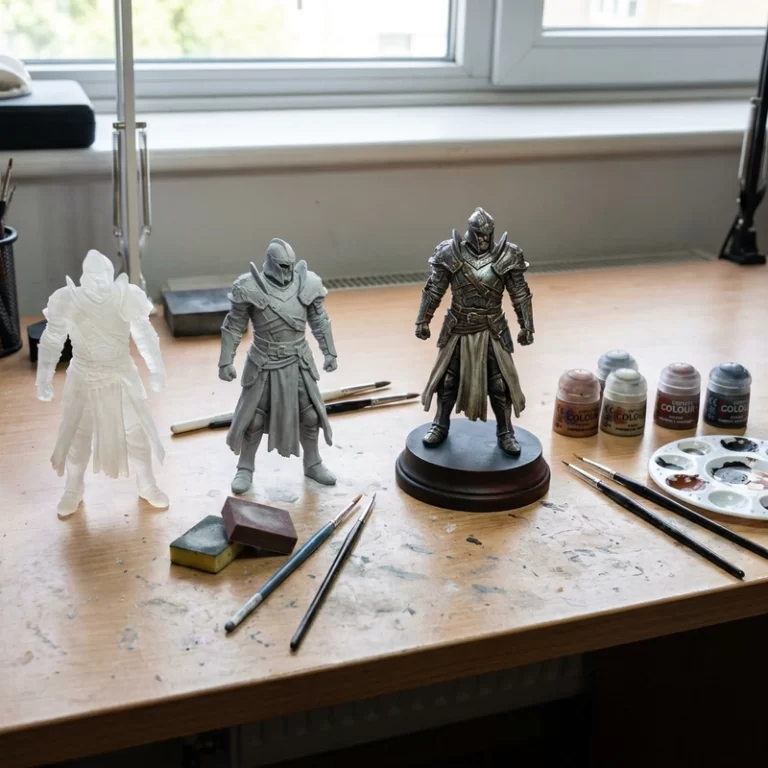
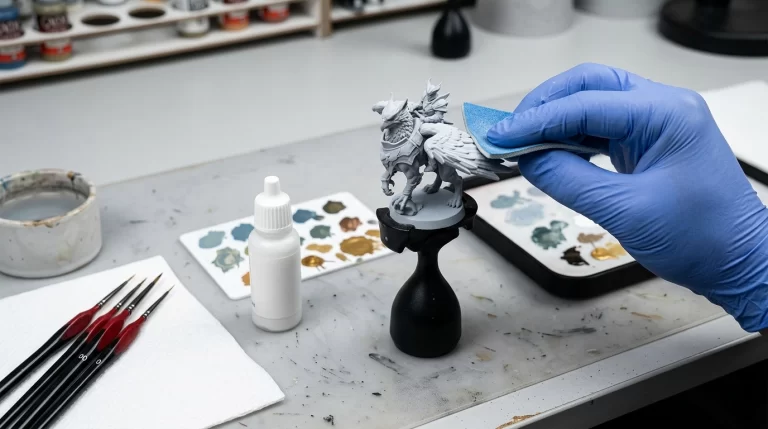
Resin is often suitable for detailed memorial figurines because it can capture small features. The surface still needs support mark repair, sanding, primer and paint if the product is hand finished. Skin tone, clothing color and small facial details should be approved with reference images, not guessed from memory.
Paint adhesion and clear coat matter because the figurine may be handled often. Resin print paint adhesion explains why cleaning, curing and primer are not optional if the paint needs to stay stable.
Custom Memorial Figurines Need Protective Packaging
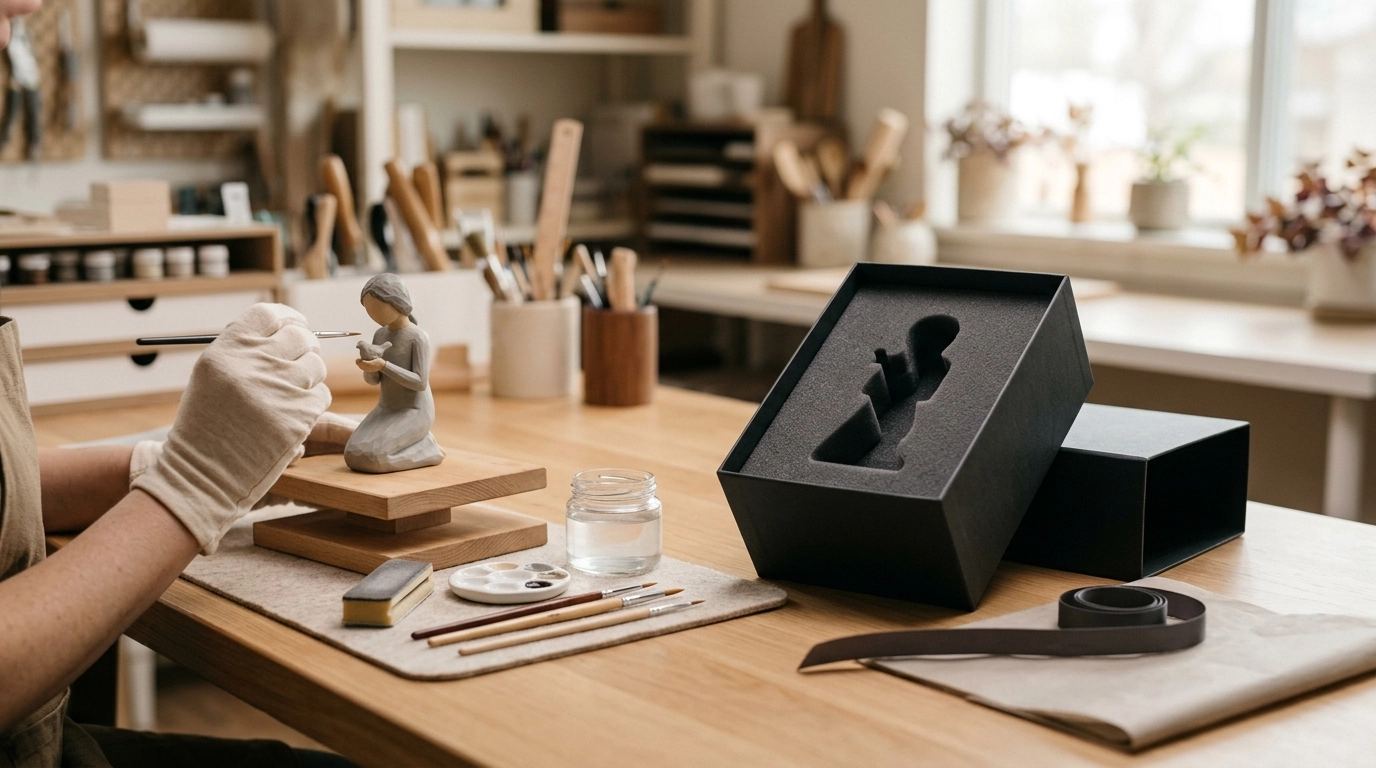
Packaging should be part of the product, not an afterthought. Small hands, ears, flowers, pet tails, thin bases and painted surfaces can be damaged by pressure or rubbing. Foam, inner box, surface protection and carton strength should match the model, especially for export delivery.
Carrier packaging guidance from companies such as DHL packing advice is useful background, but the exact insert should be built around the figurine. Custom memorial figurines are successful when the reference, approval, finish and packaging are all handled with the same restraint.
Approval Should Be Gentle but Clear
For memorial work, approval language should avoid pressure. The buyer may need time to review the face, pose and small details. A useful approval image set includes front, side and detail views of the digital sculpt, then photos of the printed or painted sample. If something feels wrong, the comment should be specific: expression, hair, clothing color, base text or pose.
Privacy is another practical point for brands and studios. Customer photos should be handled carefully, especially when the product is memorial-related. The article does not need to become a legal policy, but the workflow should make clear who supplies the images, who approves the model and how long production files are kept for reorder or correction.
Custom memorial figurines should not be rushed into bulk language. Even when the buyer is a reseller, the end customer sees one personal object. A steady workflow protects both sides: photo review, sculpt approval, finish sample, packaging check and shipping confirmation.
For B2B memorial gift channels, a standard order form is useful. It can ask for the preferred photo, backup photos, text for the base, size, finish, packaging and whether the buyer wants a digital proof. This keeps the conversation respectful while still giving production enough information.
Custom memorial figurines also need conservative lead-time promises. Modeling, approval, printing, painting and packing each take time. If a reseller promises delivery too quickly, the supplier may have no room to correct the sculpt or fix a paint issue. A calm production schedule is part of product quality here.
Base text should be checked separately from the figure. Names, dates and short messages carry emotional weight, and a spelling error is not a small defect. I would ask the buyer to approve the exact text in writing, including capitalization and line breaks, before printing or engraving the base.
The finish should stay restrained unless the buyer asks for a stylized piece. Heavy gloss, bright metallic paint or exaggerated color can feel wrong for memorial products. Custom memorial figurines usually benefit from softer surface choices, stable packaging and careful photo approval. The work is technical, but the product is personal.
For resellers, keep reorder rules clear. If a family asks for a second copy months later, the supplier needs the approved file, paint notes and packaging record. Without that record, the second piece may look like a new interpretation instead of a matching memorial item.
When the source photo is old or damaged, say so in the order notes. Restoration, guesswork and sculpting are different tasks. The modeler may be able to improve clarity, but not every missing feature can be recovered honestly. A memorial product should avoid false certainty in the same way a technical part should avoid false tolerance claims.
The buyer should also approve the shipping name and delivery address carefully. For ordinary samples, a wrong label is annoying. For custom memorial figurines, a wrong delivery detail feels careless, even if the model itself is made well.