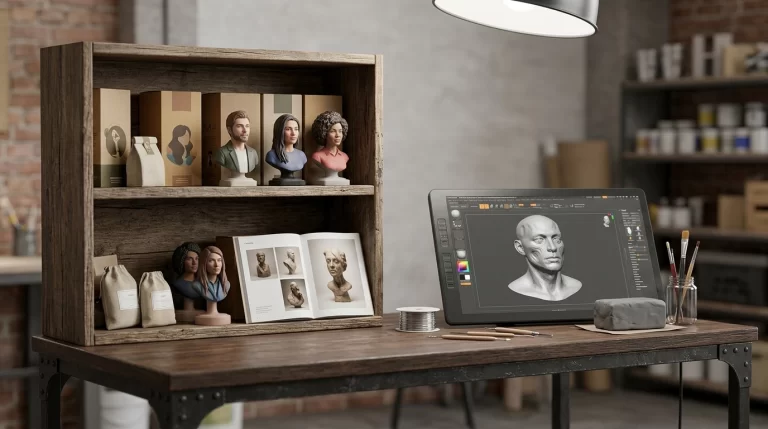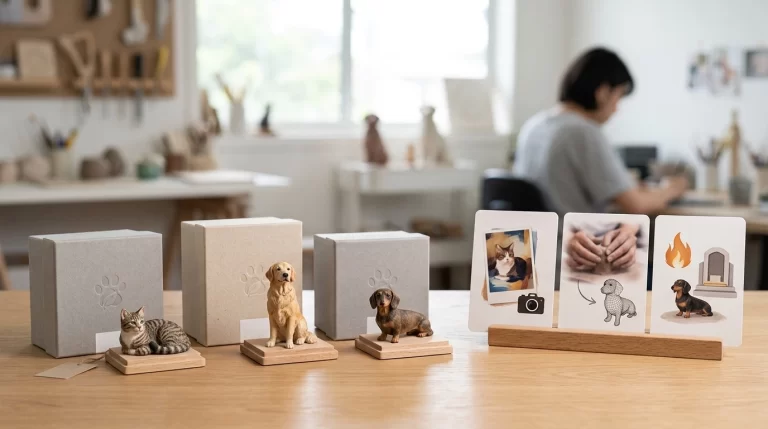
Custom pet 3D printing starts with affection, but the production work is still practical: photos, pose, fur texture, color, scale, base, material, painting and packaging. A pet figurine can feel personal only when those production details are handled carefully.
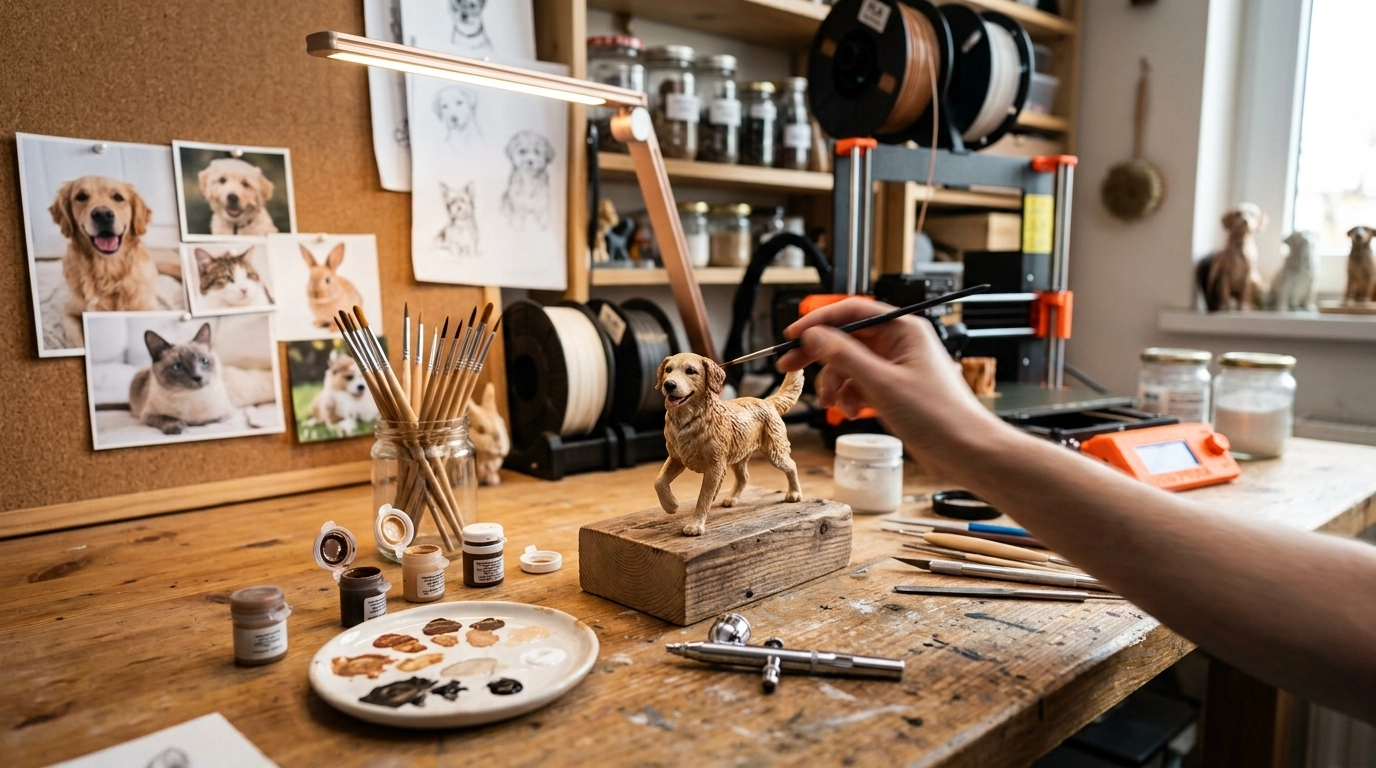
I look at pet photos differently from human portrait photos. Fur pattern, ear angle, tail shape, eye color, nose color, body posture and collar details all matter. A front photo may show the face well but hide body length. A side photo may show posture but miss facial expression. The best result usually comes from several ordinary clear photos, not one dramatic image.
Custom Pet 3D Printing Needs Pose and Scale Decisions
Pose should be chosen before sculpting begins. Sitting, standing, lying down and playful poses change balance, base size and fragile details. A thin tail, raised paw or long ear may need extra support or a stronger design. If the figurine will be shipped internationally, fragile pose choices should be discussed early.
Scale affects detail. A tiny pet figure cannot hold the same fur texture as a larger statue. A larger model shows more detail but costs more to print, finish and pack. The buyer should approve size in millimeters, not only “small” or “medium.”
Material and Paint Decide the Final Feeling
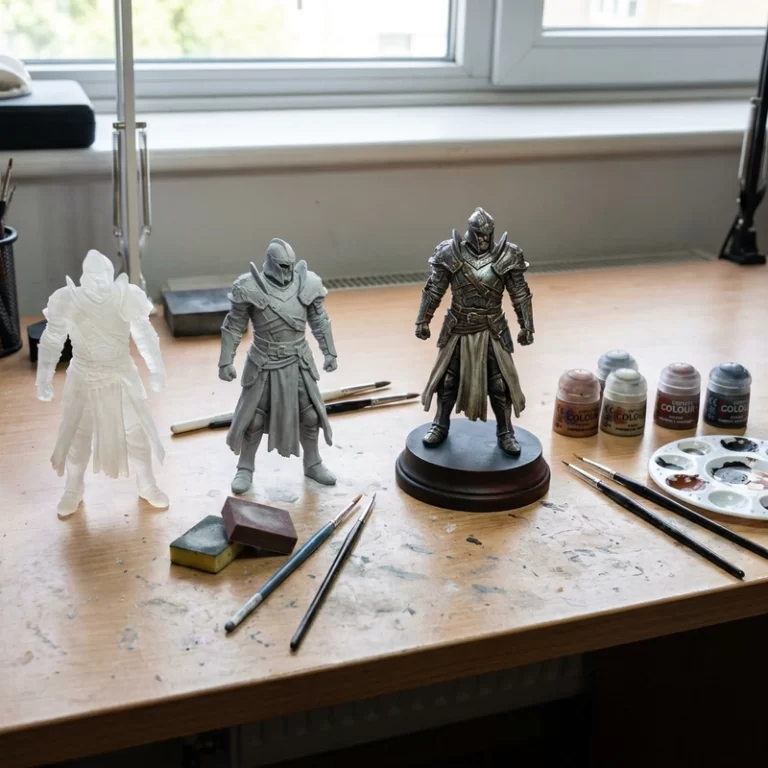
Resin is common for pet figurines because it can show fine details and accepts painting after proper preparation. The paint workflow matters: sanding, primer, base color, fur markings, eyes, nose, clear coat and drying time. A rushed paint job can ruin a good sculpt.
For painting behavior, read resin print paint adhesion. For material limits, resin figurine material explains detail, painting, yellowing and batch consistency. Full-color routes such as WJP full-color resin 3D printing may be worth comparing when hand painting is not the preferred route.
Custom Pet 3D Printing for Gifts and Memorial Products
For memorial products, the tone should stay careful. The buyer may care more about recognizable expression than perfect anatomy. Packaging also matters because the part is emotionally important. A broken ear or rubbed paint is not a small shipping issue when the product is personal.
The Smithsonian 3D resource is useful for thinking about 3D shape reference, but custom pet 3D printing still depends on simple buyer preparation: clear photos, chosen pose, approved size, finish standard and protective packaging.
Custom Pet 3D Printing and Fur Detail
Fur is not modeled hair by hair in most commercial figurine work. It is simplified into volume, texture and paint. Long-haired pets need enough body shape under the fur so the model does not become a soft lump. Short-haired pets rely more on body proportion, ears, eyes, nose and markings. The buyer should approve the sculpt before paint because paint cannot fix a wrong body shape.
For batch or brand work, keep a style guide: realistic fur, simplified cute style, base size, nameplate option, paint level and packaging. This prevents each order from becoming a new custom product. It also helps quote lead time because the supplier knows how much sculpting and painting each pet style requires.
Custom pet 3D printing is strongest when the emotional product is supported by boring production rules: clear photos, approved pose, stable material, paint reference and safe packing. That combination gives the buyer a personal gift without turning every order into a guessing exercise.
For brands, it helps to separate one-off studio orders from repeatable product lines. A one-off pet statue can allow more manual sculpting and paint time. A repeatable memorial product needs size options, fixed base styles, photo instructions and clear revision limits. Otherwise every order becomes too custom to quote efficiently.
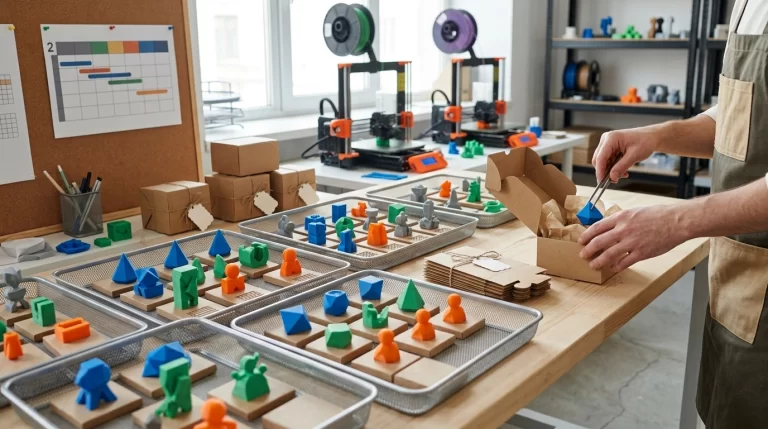
Packaging should be tested with the painted sample. Pet ears, tails and bases can be more fragile than they look. If the gift ships directly to the end customer, the box should protect the figurine and still look presentable. Custom pet 3D printing is not finished until the product survives that last step.
Pet color is easy to misread. A black dog may need small brown highlights to show shape. A white cat may look flat unless the sculpt carries enough volume. Spotted fur can turn messy if every marking is painted too small. I prefer asking the buyer which markings matter most instead of trying to copy every pixel from a photo.
For productized orders, limit the choices. Offer a few sizes, base styles and finish levels. Unlimited pose, size and paint options sound attractive on a sales page, but they make custom pet 3D printing hard to quote and hard to deliver consistently. A controlled menu gives the customer choice without turning production into guesswork.
Scale should be shown with sample photos. A 50 mm pet keepsake, a 100 mm desk figurine and a larger memorial piece have different limits for eyes, paws, tags and fur texture. If the buyer expects the same detail at every size, the sample review will become uncomfortable. Show the limit before the order is sold.
For cats, dogs and small animals, eye direction changes the whole expression. Ask the customer to approve the face view before paint. A well-painted model with the wrong gaze still feels wrong to the owner.