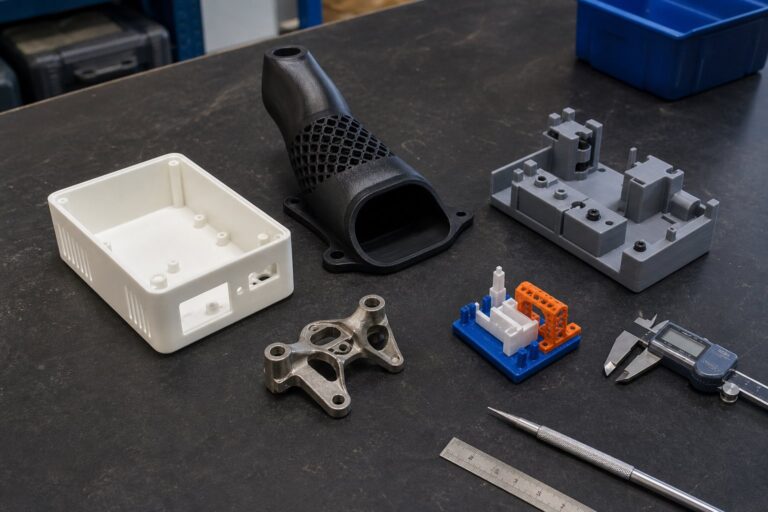
Understanding the 3D printing order process for OEM and batch production clients is essential for streamlining procurement and ensuring consistent part quality. Whether you are sourcing prototypes for automotive components, medical device housings, or consumer electronics enclosures, a well-defined ordering workflow reduces lead times and minimizes errors. This article walks through the complete industrial 3D printing order process—from account registration to final delivery tracking—drawing on real-world manufacturing service workflows.
Step 1: Account Registration and Customer ID
The first step in any industrial 3D printing procurement workflow is creating an account on the service provider’s platform. Registration typically requires a valid mobile number or email address, and a login password is set within two minutes. Upon successful registration, the system assigns a unique customer ID that serves as the primary identifier for all subsequent orders, invoices, and production tracking. For returning OEM clients, this customer ID enables seamless reordering and access to order history.
Step 2: Online Quotation and 3D Model Upload
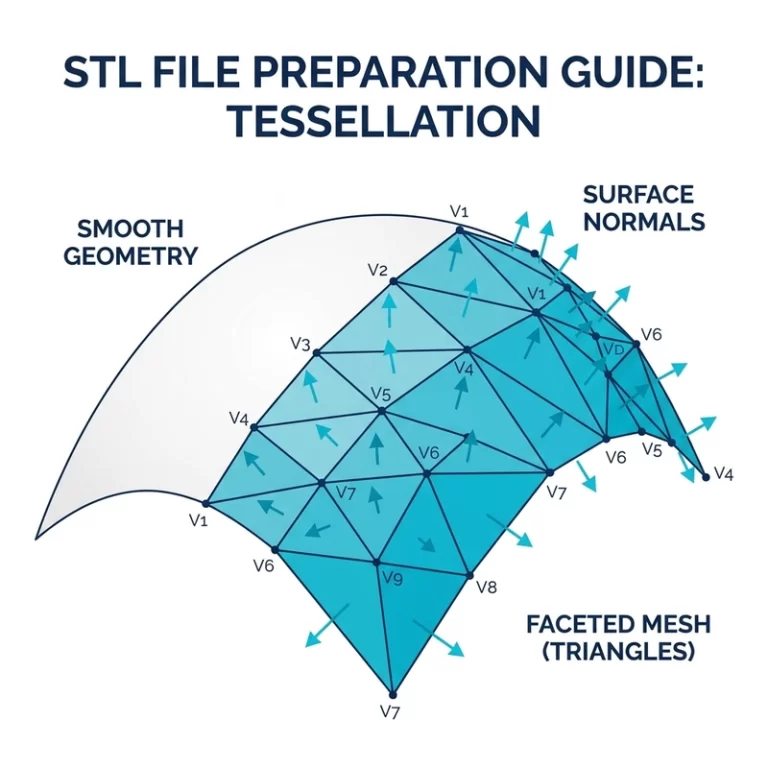
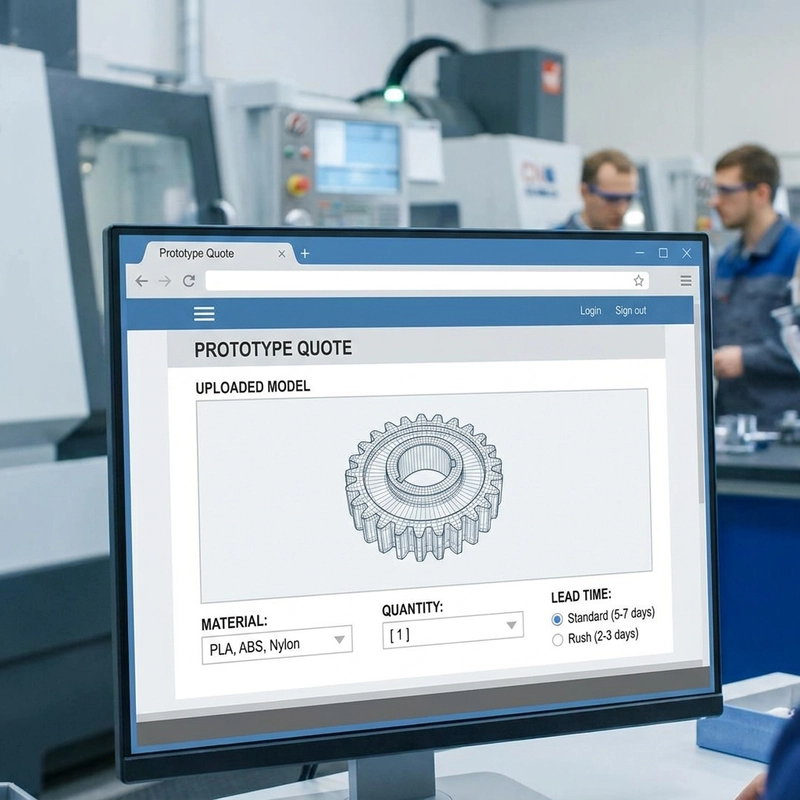
After logging in, users access the online quotation module to upload 3D model files. Supported formats typically include STL, STEP, and OBJ. The system processes the geometry and provides an instant or engineer-reviewed quotation based on material volume, bounding box dimensions, and selected parameters. At this stage, clients specify:
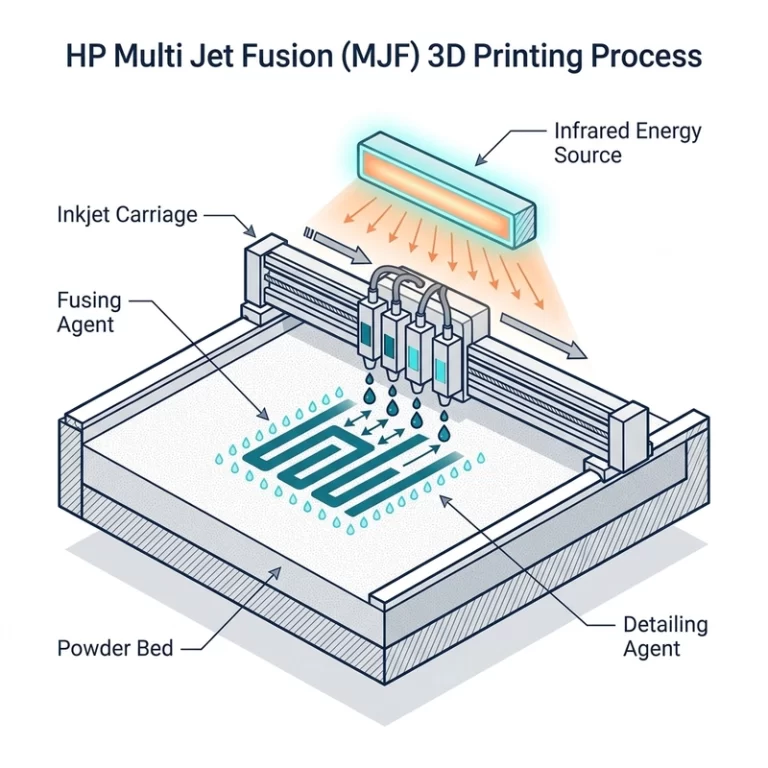
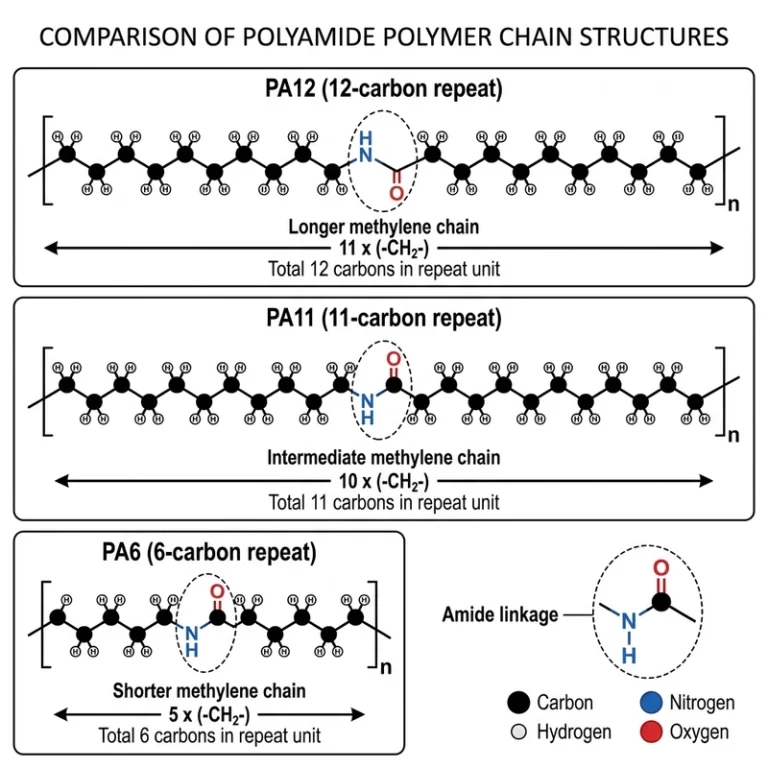
- Material selection: SLA resin, MJF nylon (PA12 or PA-F), SLS nylon, SLM metal alloys
- Quantity: single prototype or batch production
- Lead time: standard or expedited
- Surface finishing: sanding, painting, dyeing, or as-printed
For multi-part orders, adding items to a shopping cart before final submission allows consolidated shipping and unified lead-time management. Single-file orders can proceed directly to checkout using the instant order function.
Step 3: Order Confirmation and Payment
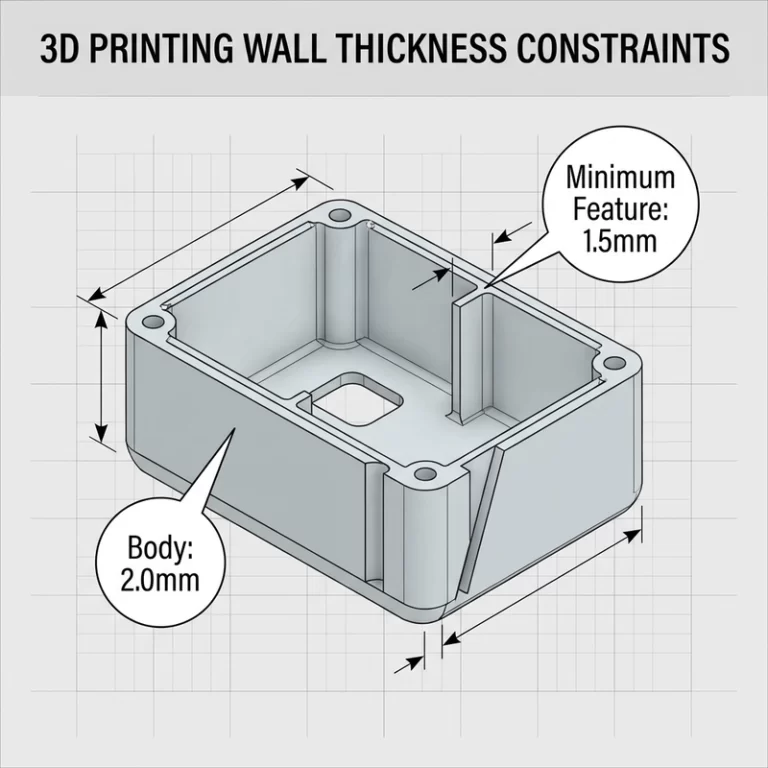
Once the order is submitted, an engineering review is conducted to verify model printability, wall thickness adequacy, and support structure requirements. The order status updates to “Pending Payment” after approval. Clients should review the engineer’s notes before proceeding to payment. Common payment methods include bank transfer, corporate account balance, and online payment gateways. For OEM clients placing recurring orders, maintaining a prepaid account balance often qualifies for volume discounts and priority processing.
Real-Time Production Tracking for Batch Orders
A critical feature for OEM procurement managers is real-time production tracking. After payment confirmation, the order enters the production queue. Each order’s progress can be monitored through the platform’s order management dashboard, which displays the current production stage—data processing, printing, post-processing, quality inspection, or packaging. This transparency is particularly valuable for batch production clients managing multiple part numbers across different projects in industries such as robotics, aerospace, and medical device manufacturing.
Shipping and Logistics Tracking
Once production is complete and the order ships, the platform integrates with major courier services to provide real-time logistics tracking. Clients can view shipping status directly within the order management system without switching to external carrier websites. For international OEM clients, this unified tracking capability simplifies supply chain coordination across borders.
Industry Applications
A structured 3D printing order process benefits multiple industry verticals. Automotive suppliers use it for rapid prototyping of interior components and custom jigs. Consumer electronics brands order enclosure prototypes for design validation. Medical device companies procure anatomical models and surgical guides. Aerospace firms source lightweight structural brackets. Robotics startups iterate on end-effector designs. Each industry benefits from a standardized yet flexible ordering workflow that accommodates both single prototypes and production-scale batches.
For more insights on material selection and process optimization, visit our blog.
WhatsApp: Chat on WhatsApp
Email: [email protected]
Phone: +86 177 2449 5525