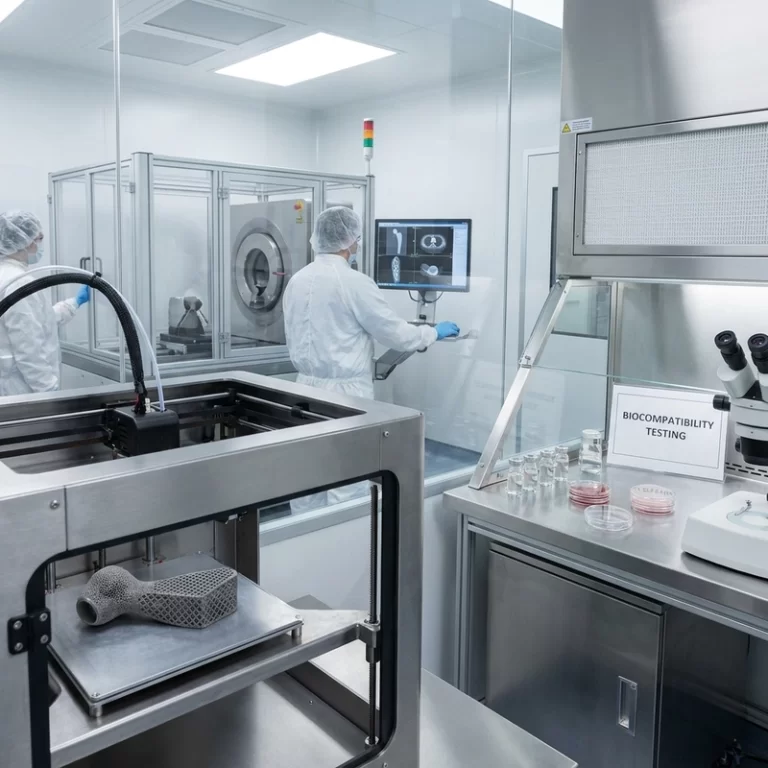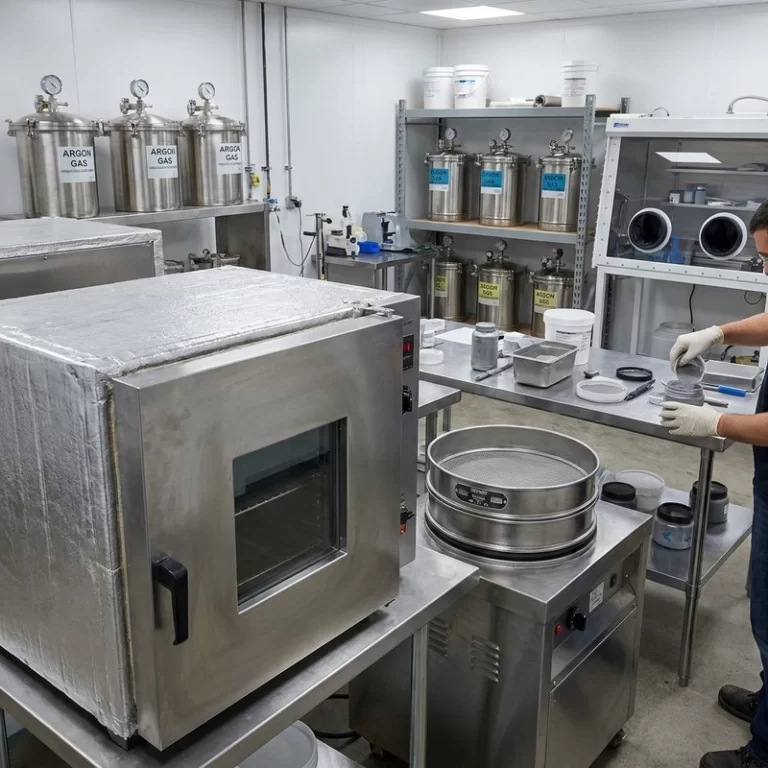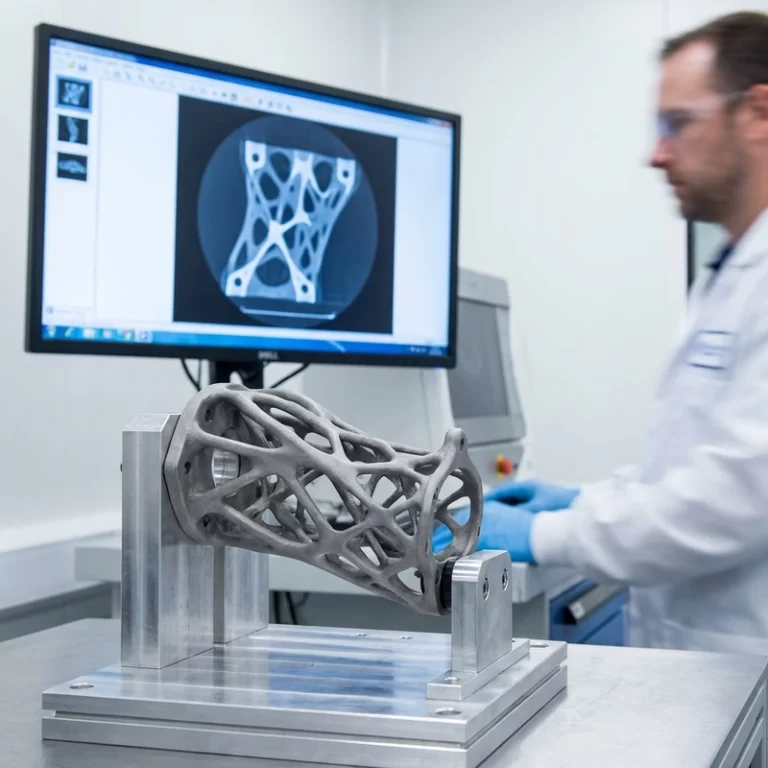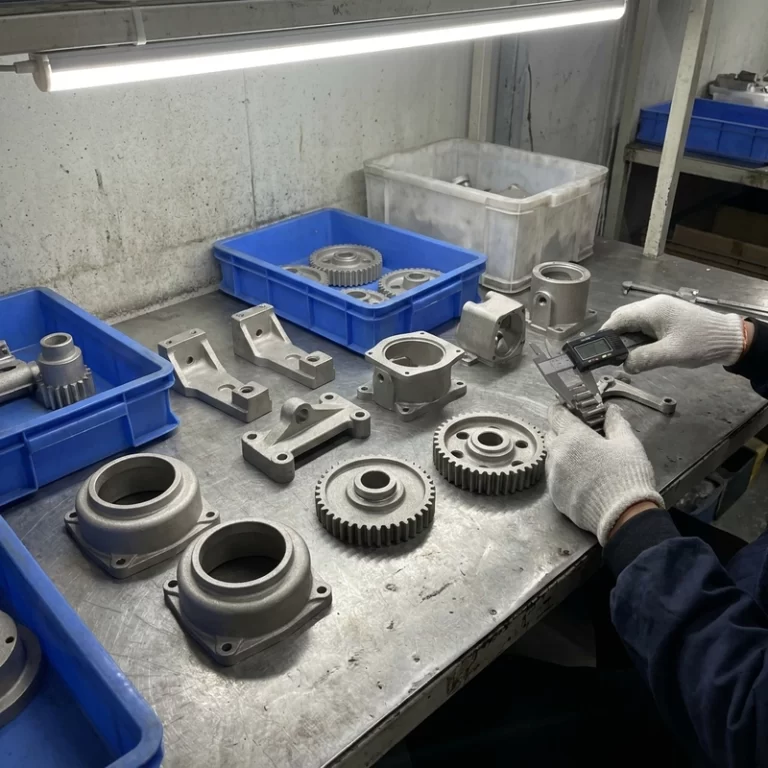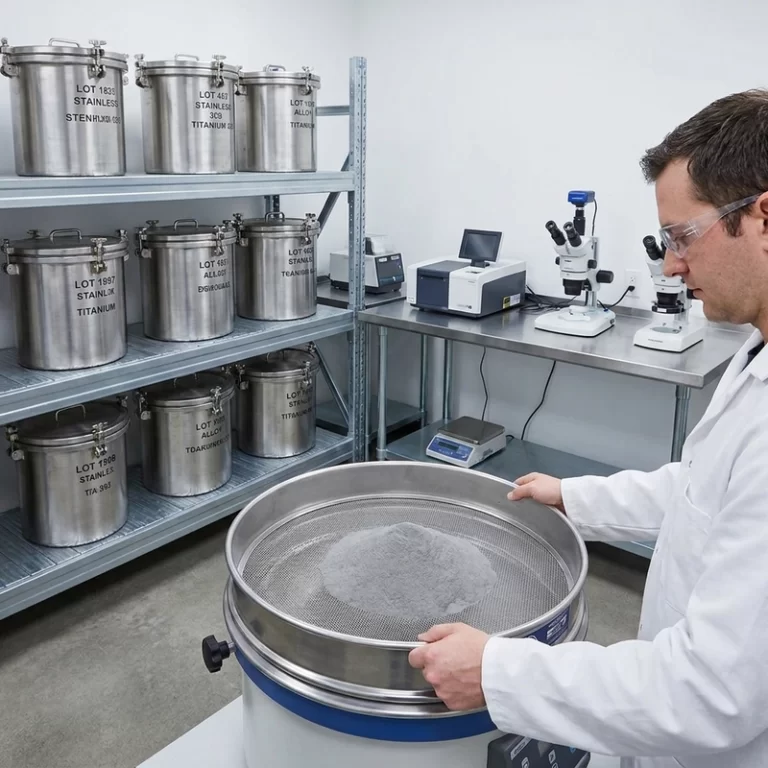
High-temperature alloy 3D printing is not just metal printing with a tougher alloy name. Nickel alloys, cobalt alloys, and titanium alloys can look dimensionally sound while oxidation, powder history, or thermal exposure quietly damages mechanical performance. The part may pass a shape check and still be a poor candidate for hot service.
I treat oxygen as a process variable, not as a label on the machine. During laser powder bed fusion, the melt pool is tiny, hot, and fast-moving. A little contamination at the wrong time can become an inclusion that matters later.
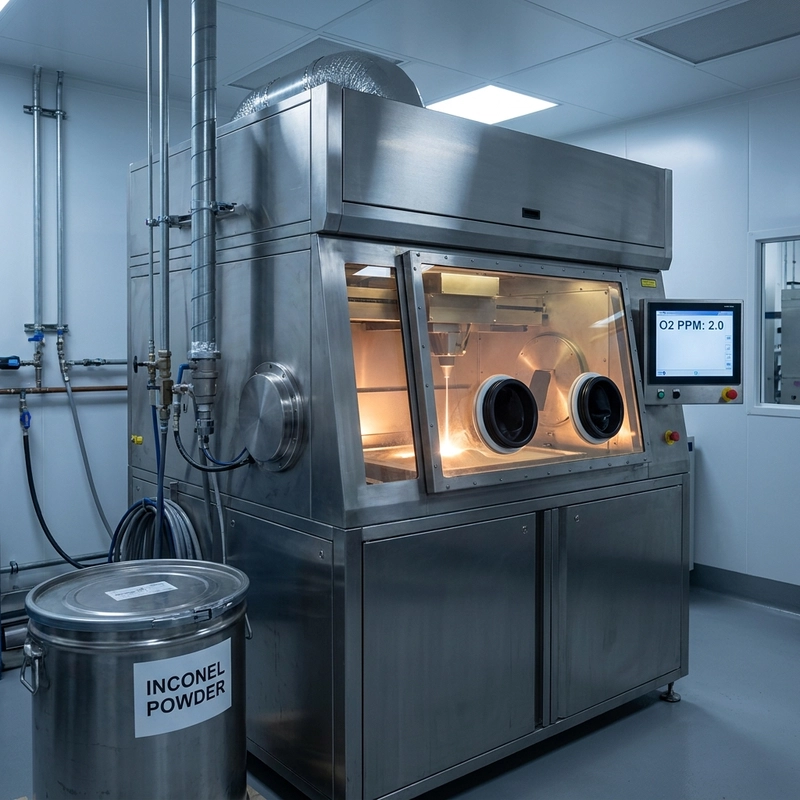
High-temperature alloy 3D printing makes oxidation a build risk
In SLM or laser powder bed fusion, the melt pool can reach well above 1300 C depending on alloy and process. Oxidation may form in the liquid metal, during solidification, or when previous layers are reheated. Oxide films and inclusions can reduce ductility, lower fatigue life, and create crack initiation sites. For parts used in heat, those defects can become more serious during service.
The source discussed oxygen levels in the tens to hundreds of ppm as meaningful for demanding alloys. Exact targets depend on alloy, machine, and qualification requirements. The useful point is not a single magic ppm value. The useful point is that oxygen should be monitored, logged, and kept under control during the whole build.
Atmosphere control in high-temperature alloy 3D printing
Argon and nitrogen are common shielding gases. Argon is often preferred for reactive or high-value alloys, while nitrogen may be acceptable where alloy compatibility allows. A serious process does not purge once and forget it. It checks gas purity, chamber leak rate, purge flow, circulation, oxygen sensing, and whether the chamber remains stable during printing and cooling.
The source mentioned demanding cases such as purging below about 10 ppm before printing and maintaining roughly 20-30 ppm during stable processing, with responses if oxygen rises toward a set threshold. I would not copy those values into every project. I would use them as a reminder that atmosphere records are part of the manufacturing evidence, especially for heat-resistant parts.
| Control point | Why it matters | Evidence to ask for |
|---|---|---|
| Oxygen ppm | Limits oxide formation | Logged sensor data |
| Gas flow | Removes spatter and keeps atmosphere stable | Flow validation or build records |
| Powder reuse | Oxygen and moisture can rise with handling | Powder batch and reuse history |
| Coating strategy | May change oxidation behavior | Metallography and powder flow checks |
| Cooling atmosphere | Protects hot part after laser stops | Hold time and chamber condition |
Coatings, powder reuse, and geometry complicate the answer
The source discussed powder coating ideas such as oxide or metallic coatings that may reduce direct oxidation or encourage a protective oxide layer. That can help in some research or qualified workflows, but coatings also affect powder flow, spreading, and laser absorption. Coated powder should be tested before anyone treats it as production-ready.
Complex geometry adds another problem. Chamber-average oxygen readings do not always describe local gas behavior around deep channels, dense nesting, or shielded surfaces. Representative geometry matters. A flat coupon does not prove a turbine-like feature with internal passages will behave the same way.
High-temperature alloy 3D printing RFQ checks
I ask for alloy, operating temperature, load type, inspection level, heat treatment, machining surfaces, quantity, and whether the part is for shape review or qualified testing. For related metal process decisions, see metal 3D printing powder quality and SLM vs binder jetting metal 3D printing.
NIST additive manufacturing resources are a useful outside reference for metal AM context. My working rule is cautious: do not compare a simple prototype shape check with a documented high-temperature build as if they are the same job. High-temperature alloy 3D printing needs powder, atmosphere, heat treatment, machining, and inspection planned as one chain.
I also separate as-printed review from service review. A part may confirm geometry, support removal, and CNC access without proving high-temperature performance. If the same design later needs fatigue, creep, hot-gas exposure, or pressure service, the order should include witness coupons, build-position records, powder traceability, heat-treatment data, and the inspection method agreed before printing.
Surface condition is part of the oxidation discussion. Rough as-printed metal, support scars, and partially fused particles can become hot spots for oxidation or cracking. If a surface will face hot gas or cyclic stress, I want to know whether it will be machined, polished, blasted, coated, or left raw. High-temperature alloy 3D printing is not finished when the build plate cools; the risk often sits in the post-process plan.
Powder handling deserves the same discipline. Drying, sieving, storage atmosphere, reuse ratio, and oxygen pickup can change the next build. If a project is only a geometry prototype, that may be a simple shop-control note. If it is a demanding alloy part, powder condition should be traceable enough that a later failure can be investigated instead of guessed.
That traceability is boring until a hot test fails.