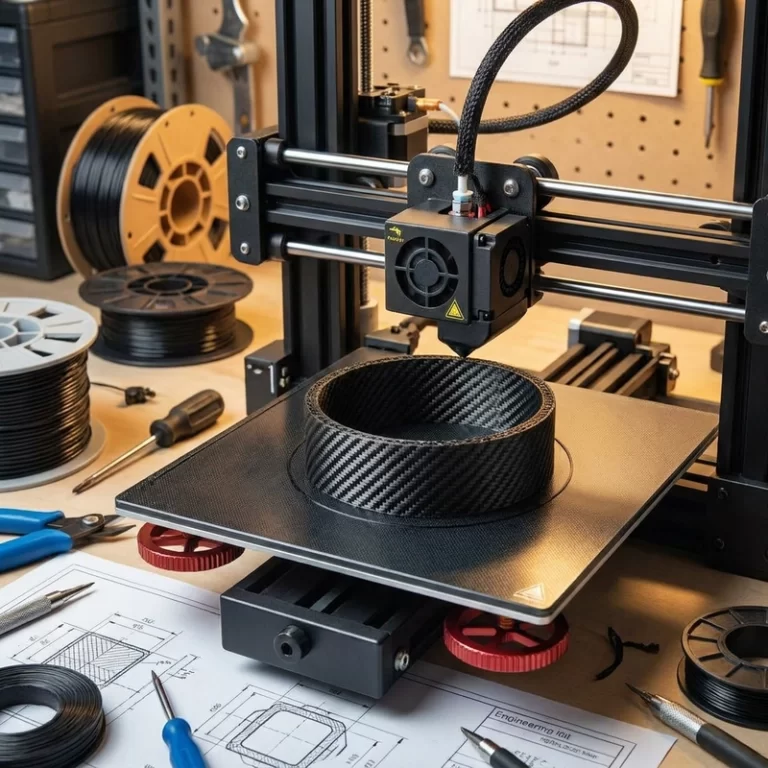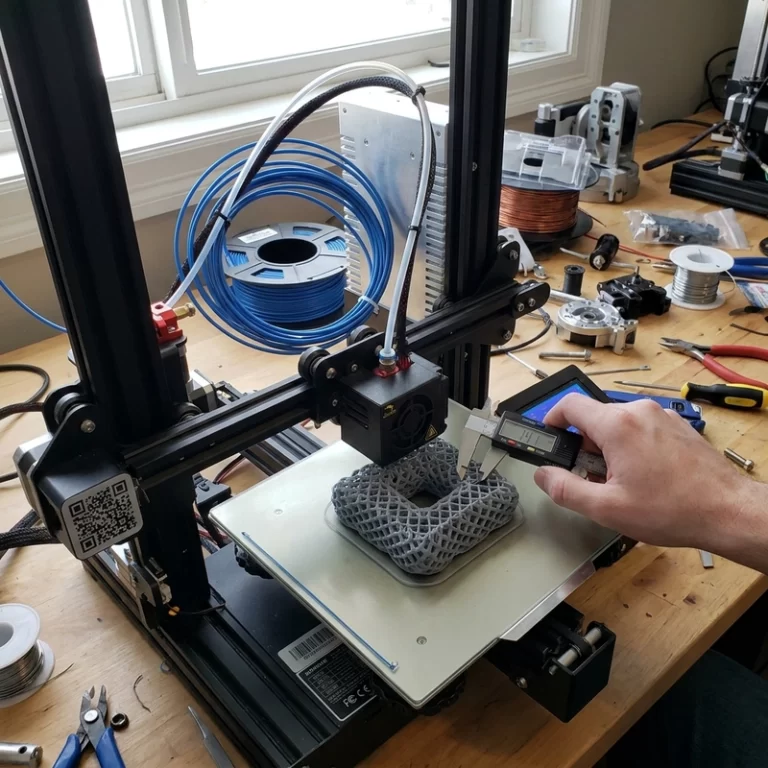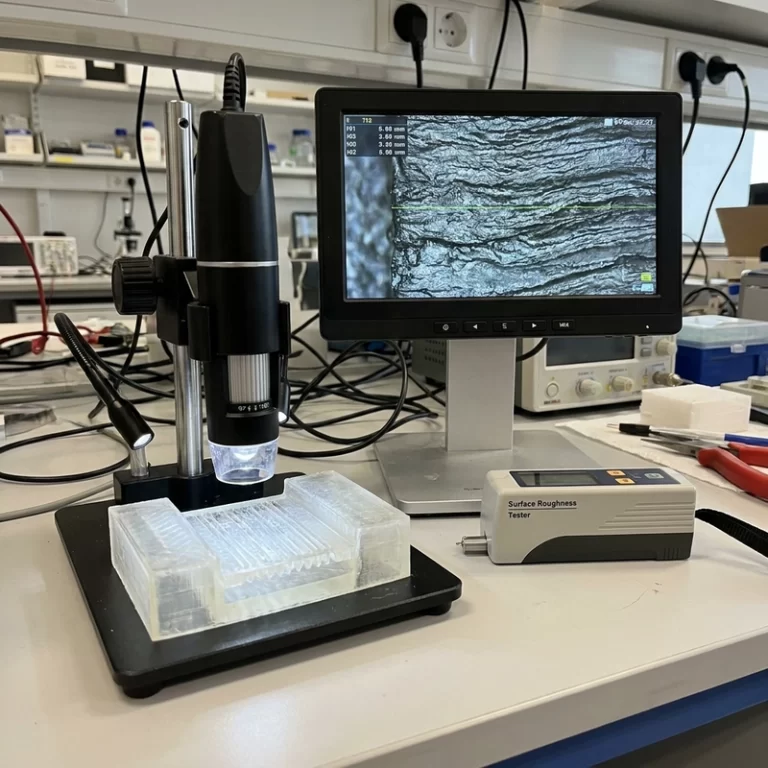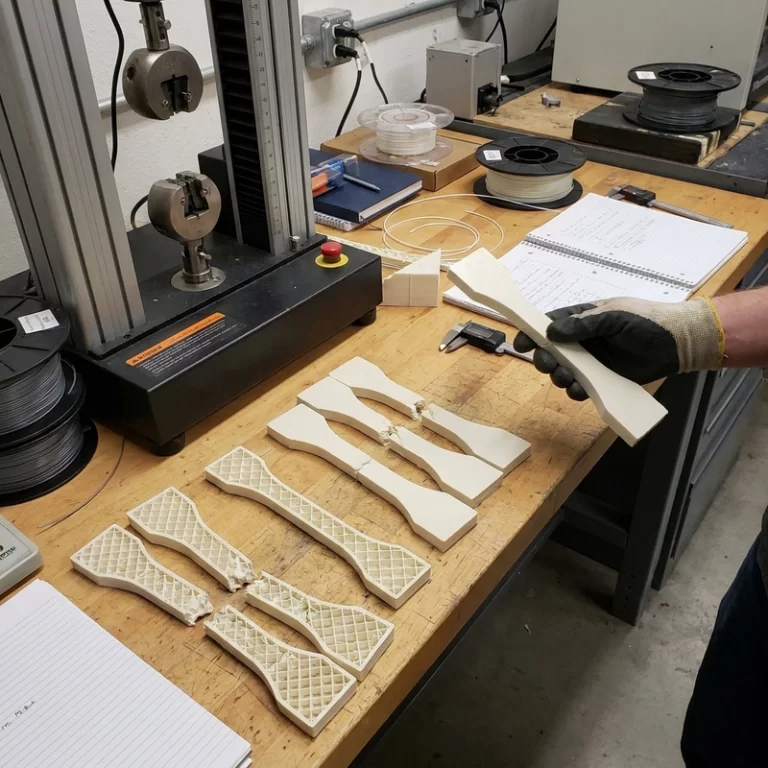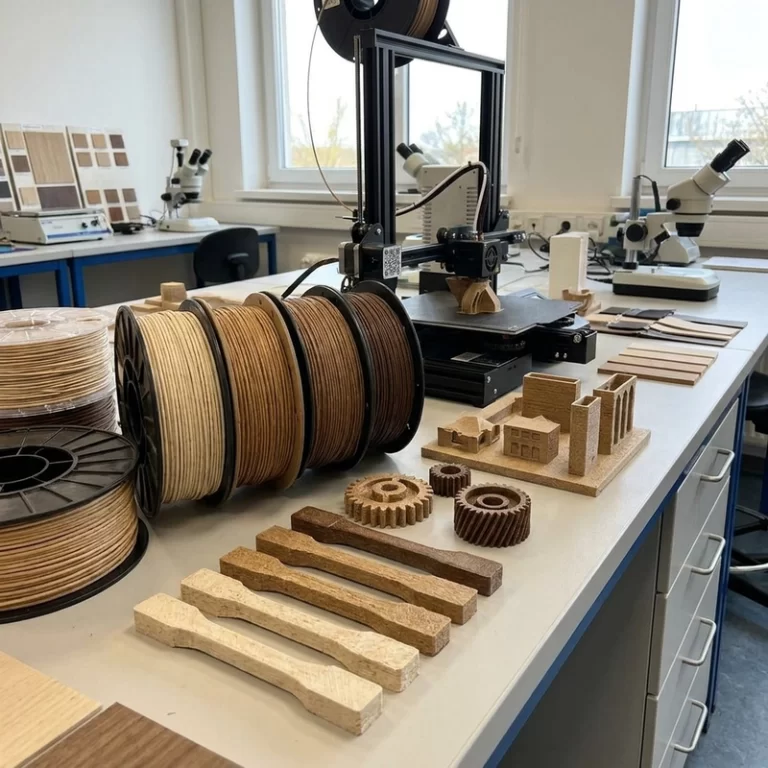
Engineering plastic 3D printing process control changes a lot when the machine moves from filament to pellet extrusion. Both can print ABS, PC, nylon, PETG and filled materials, but they are not the same process at different sizes. Filament gives better metering and detail. Pellet extrusion gives higher deposition and lower raw material cost, but the process window gets wider and easier to lose.
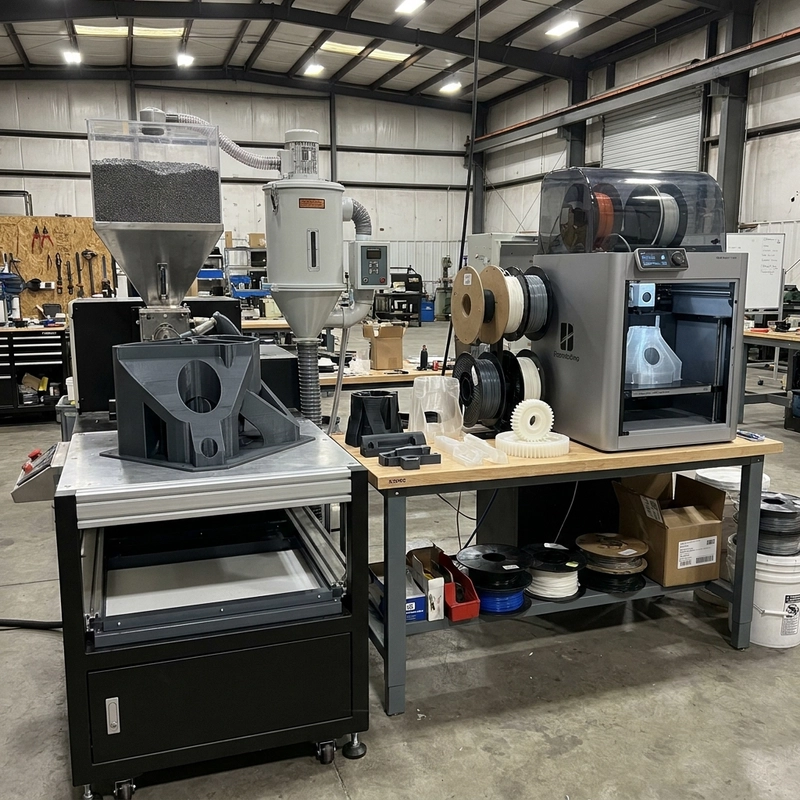
I do not split the choice into “filament for prototypes, pellets for production.” That is too simple. The better question is part size, bead width, detail, tolerance, material drying, chamber heat, finishing and whether post-machining is acceptable. A small PC housing may belong to filament. A large fixture, pattern or mold backing may be more practical with pellet extrusion and machining allowance.
Engineering Plastic 3D Printing Process Control in Filament Printing
Filament printing starts with a controlled round feedstock. The supplier has already made the material into a wire with a defined diameter, so the printer can meter flow more predictably. This helps small features, thin walls, snap details, text, housings and functional prototypes. Common nozzle sizes around 0.4-0.8 mm cover many engineering plastic jobs, with larger nozzles used when speed and wall strength matter more than fine detail.
The limit is melt rate. Push speed too high and the hot end may under-melt the filament core. That shows up as weak layers, inconsistent extrusion or rough surfaces. Engineering filaments also cost more per kilogram than pellets, especially for PC, nylon, high-temperature grades and fiber-filled blends. For small precise batches, that cost may be acceptable. For large shapes, it may not be.
Filament diameter control does not remove every variable. Oval filament, moisture, inconsistent fiber loading and spool tension can still change extrusion. High-temperature plastics also need a stable chamber so the part does not curl while the nozzle is doing its job correctly. When a PC or nylon print warps, I check material dryness, chamber temperature, bead width, corner design and bed adhesion before blaming the filament brand.
For material selection before process choice, read engineering plastic 3D printing material selection. If dimensions are the main issue, compare against engineering plastic 3D printing dimensional accuracy.
Pellet Extrusion Has Throughput and More Variables
Pellet extrusion feeds granules into a screw extruder. It can increase deposition rate and reduce material cost when suitable pellets are available. It is useful for large-format additive manufacturing, tools, fixtures, shells, patterns and parts that will be sanded or machined later. The bead is usually larger, so the process favors volume over small detail.
The extra variables are real. Screw speed, barrel temperature zones, pellet dryness, pellet size distribution, hopper feed, back pressure and nozzle geometry all affect flow. If pellets bridge in the hopper, the bead can pulse. If moisture flashes into steam, the bead can foam. If the screw overheats the polymer, the material can discolor, lose viscosity control or weaken. A pellet printer is closer to a small extrusion line than a desktop FDM machine.
That larger bead changes design rules. Small holes may print undersized and need drilling. Text, clips and thin ribs may lose definition. Corners can bulge because the bead carries more heat and pressure. For tooling and large fixtures, that is acceptable if machining allowance is planned. For a handheld housing with visible seams and small bosses, pellet extrusion may create more finishing work than it saves in material cost.
Drying Is Part of Engineering Plastic 3D Printing Process Control
Nylon, PC, TPU, PETG and many filled materials absorb moisture. Wet material causes bubbles, rough surface, stringing, poor layer bonding and weaker parts. Pellets are not automatically dry because they came from a bag. Filament is not automatically dry because the spool was sealed last month. Drying temperature and time belong to the supplier datasheet, and dried material should not sit open in humid air before printing.
Chamber heat matters too. ABS, PC, nylon and high-temperature plastics shrink more than PLA. Large parts magnify that shrinkage. A heated chamber can reduce warping, but the bead path, corner design, ribs, segmentation and cooling schedule still matter. Pellet beads hold more heat, which can help bonding and also increase internal stress if cooling is uneven.
For filled plastics, the fiber or mineral content adds more control points. Carbon fiber can lower shrinkage and raise stiffness, but it increases nozzle wear and may make small features less forgiving. Glass fiber can improve heat and stiffness in some grades while changing surface texture. Filled pellets can segregate if handling is poor. A process sheet should record material lot, drying condition, nozzle size, bead width, chamber temperature and any machining stock left on the model.
For engineering plastic 3D printing process control, I would rather receive a plain process sheet than a broad material promise. The sheet should say how the material was dried, how the chamber was held, what bead or nozzle size was used, which faces are cosmetic and which dimensions can be machined.
The NIST additive manufacturing resource is useful for process vocabulary. In the quote itself, be more specific: part size, material, bead tolerance, visible faces, critical holes, load direction, heat exposure, drying plan, finish requirement and whether CNC finishing is allowed. Engineering plastic 3D printing process control is mostly about matching the extrusion route to the part, not chasing the biggest machine or the strongest-sounding plastic.