
Wood-Filled 3D Printing Materials: Fiber Content Is Not the Whole Story
Wood-filled 3D printing materials depend on fiber size, binder behavior, moisture, nozzle wear, finish samples and realistic load expectations.
Global B2B Custom 3D Printing & Prototyping Manufacturing Supplier
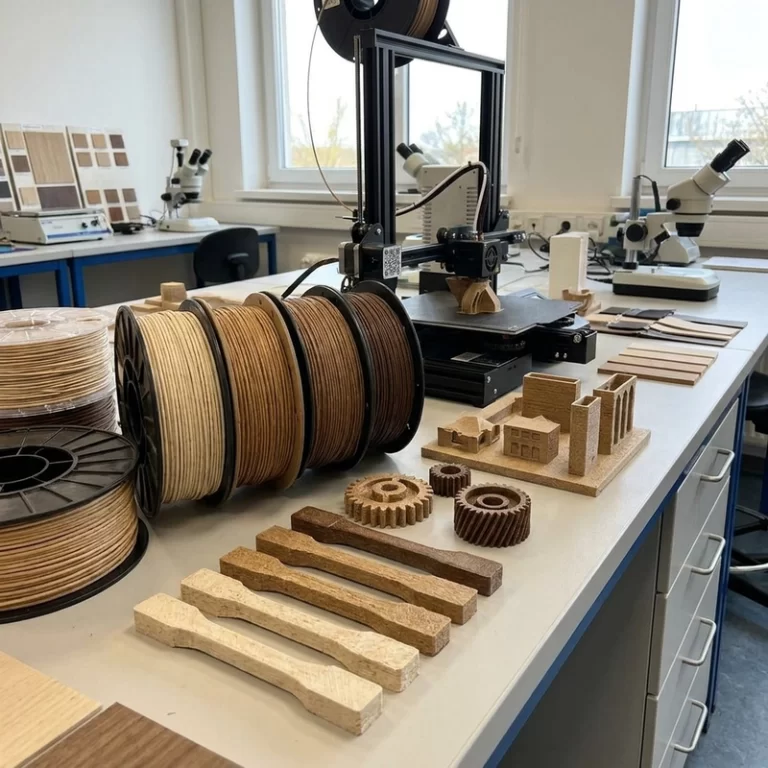
Wood-filled 3D printing materials depend on fiber size, binder behavior, moisture, nozzle wear, finish samples and realistic load expectations.
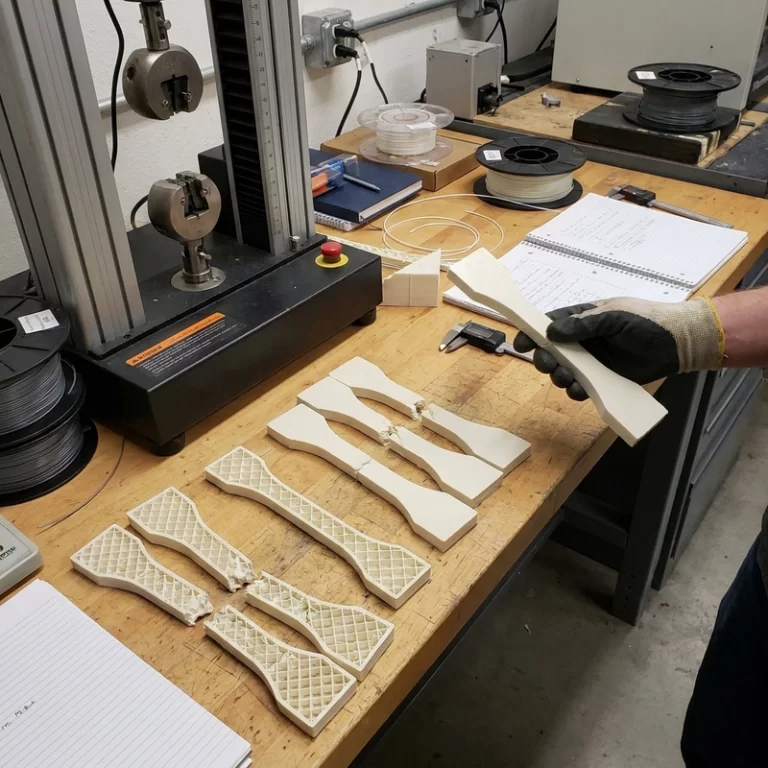
PLA 3D printing strength is limited by brittleness, layer orientation, heat, impact behavior, screw bosses, infill choices and material modification.
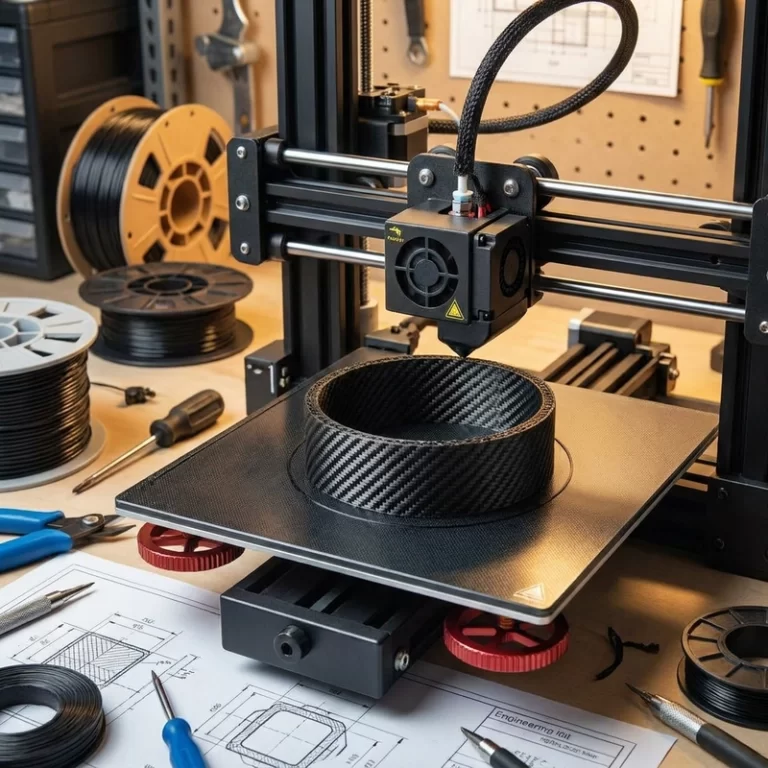
Fiber-reinforced 3D printing can improve stiffness, but nozzle wear, drying, fiber orientation, layer bonding and inspection still matter.
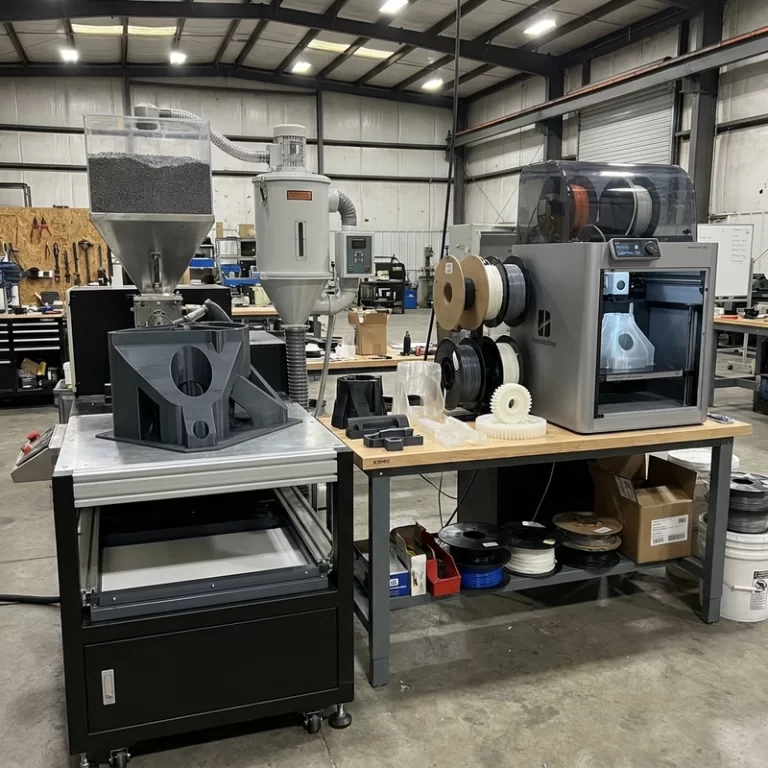
Engineering plastic 3D printing process control compares filament and pellet extrusion by drying, bead size, chamber heat, warping and machining allowance.
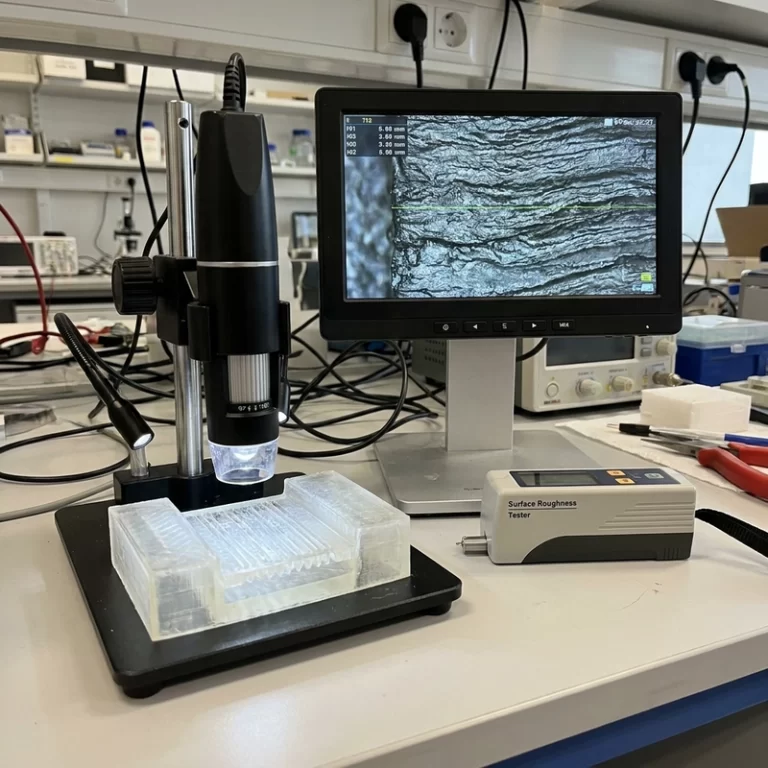
3D printing surface roughness affects appearance, friction, sealing, fluid flow, paint adhesion and the finishing route for functional parts.
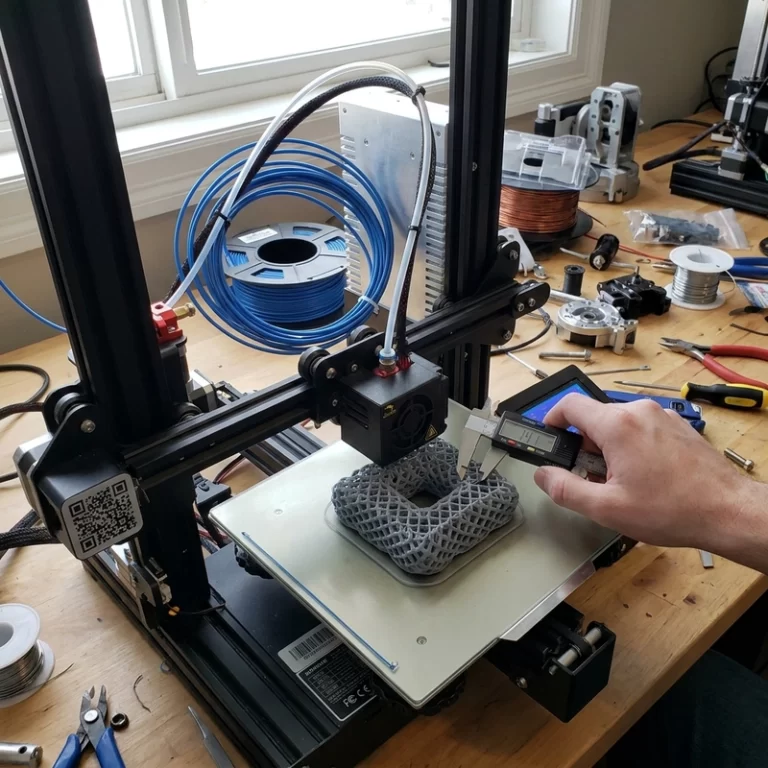
Flexible 3D printing with TPU or PEBA needs hardness selection, drying, feeding, speed, support and recovery checks before approval.
Your cart is currently empty!
Notifications