
Fiber-Reinforced 3D Printing: 7 Practical Checks Before Stronger Parts
Fiber-reinforced 3D printing can improve stiffness, but nozzle wear, drying, fiber orientation, layer bonding and inspection still matter.
Global B2B Custom 3D Printing & Prototyping Manufacturing Supplier
Zesmir technical articles related to layer adhesion.
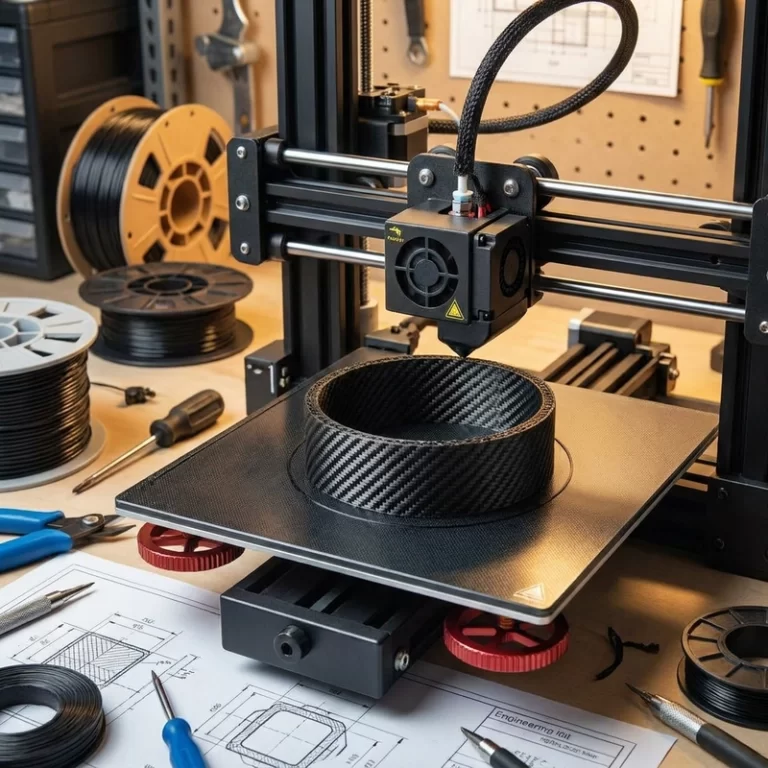
Fiber-reinforced 3D printing can improve stiffness, but nozzle wear, drying, fiber orientation, layer bonding and inspection still matter.
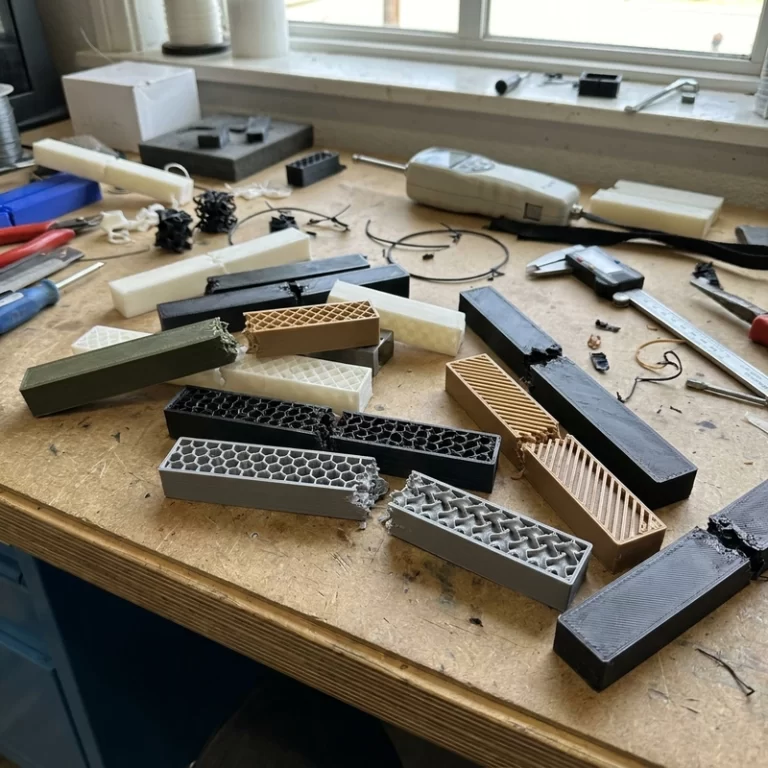
3D printed part strength depends on load path, orientation, wall thickness, infill, material toughness, layer bonding and assembly details.
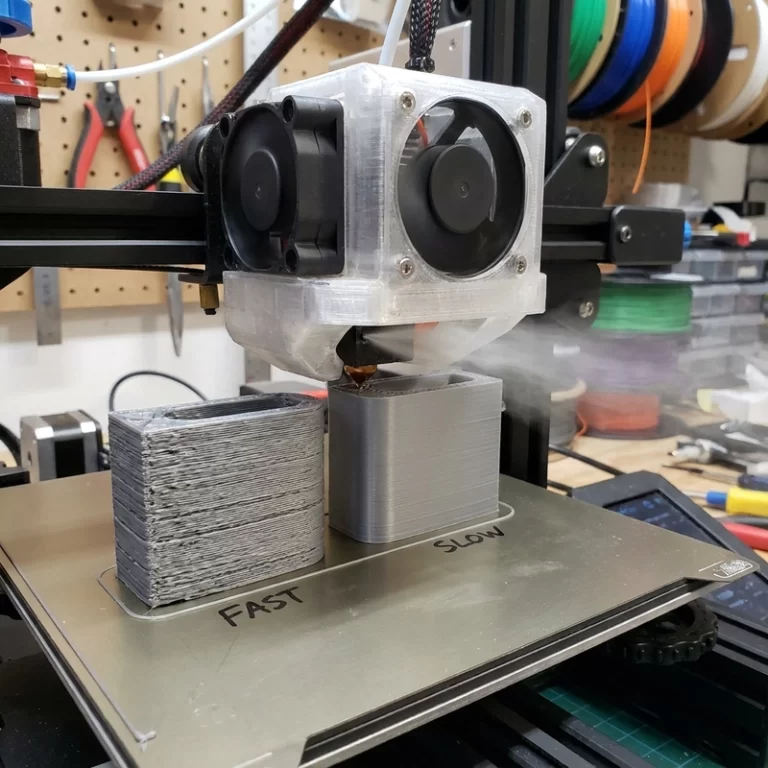
High-speed FDM printing needs flow rate, cooling, acceleration, pressure control, material drying and first-layer stability.
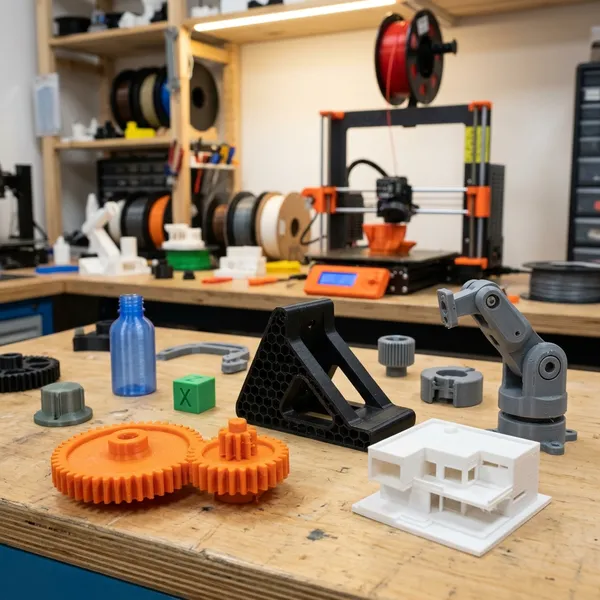
FDM warping causes usually come from thermal stress, weak first layers, cooling, material shrinkage and geometry. A practical shop checklist.
Your cart is currently empty!
Notifications