
PEEK 3D Printing: 7 Thermal Controls That Decide Whether Your Part Warps or Works
PEEK 3D printing needs 400°C nozzle, heated chamber, dry material and crystallinity control. Practical checklist for warp-free, high-temp parts that actually perform.
Global B2B Custom 3D Printing & Prototyping Manufacturing Supplier
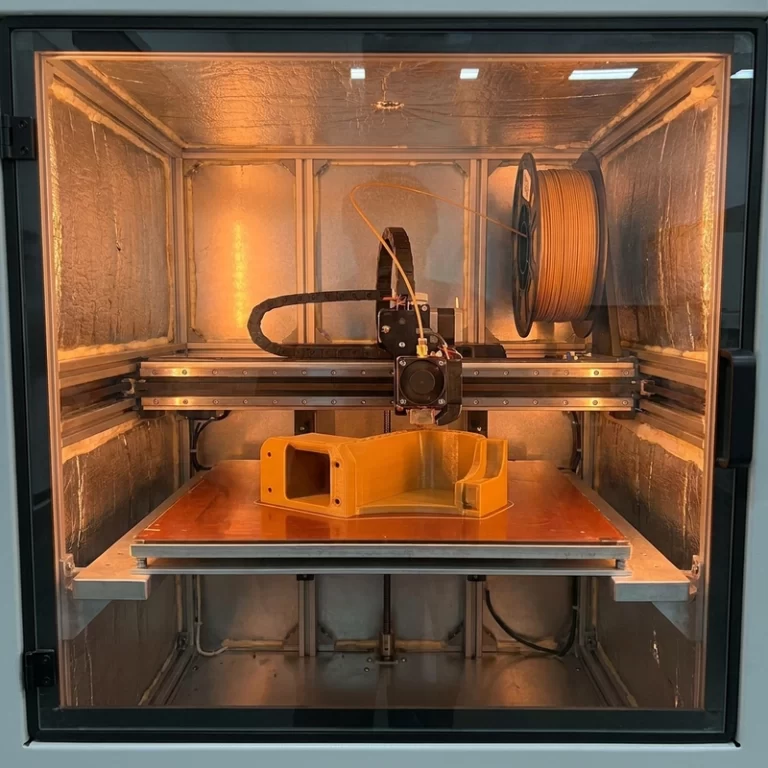
PEEK 3D printing needs 400°C nozzle, heated chamber, dry material and crystallinity control. Practical checklist for warp-free, high-temp parts that actually perform.
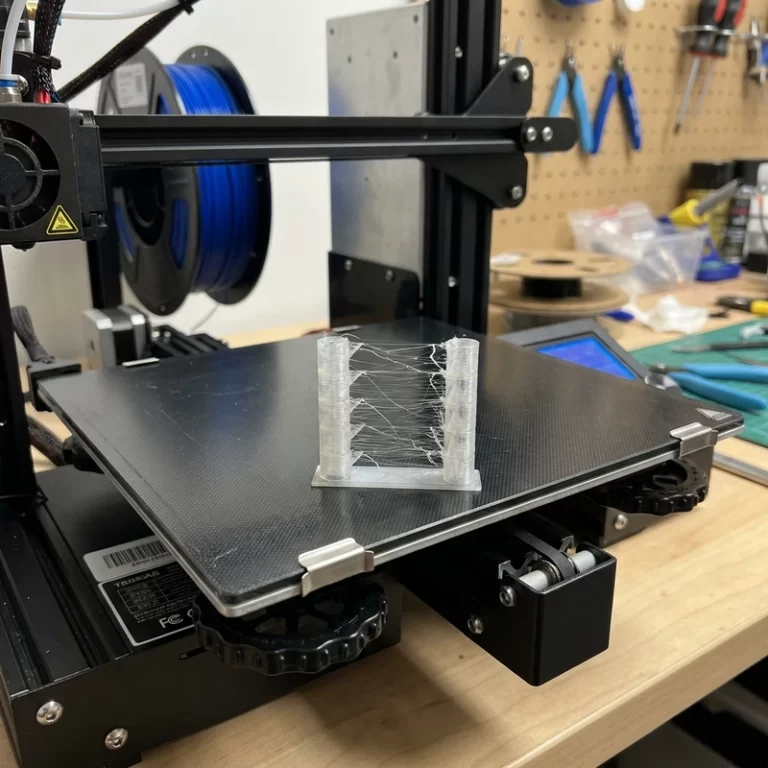
Fix FDM stringing by tuning retraction, nozzle temperature, travel speed, filament drying, combing, pressure and material settings.
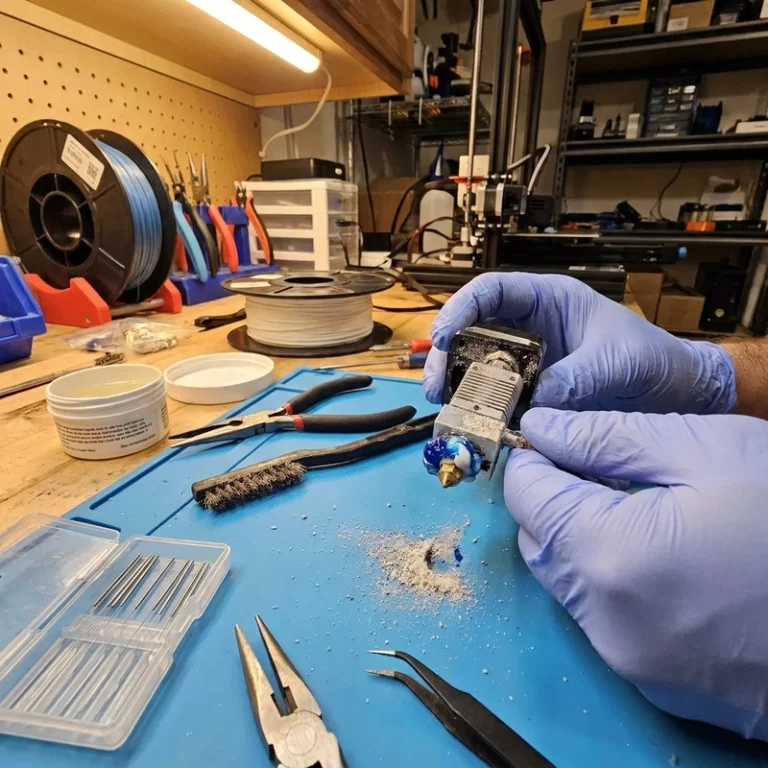
Troubleshoot FDM nozzle clogging with practical checks for filament moisture, temperature, nozzle wear, dust, heat creep, retraction and cleaning.
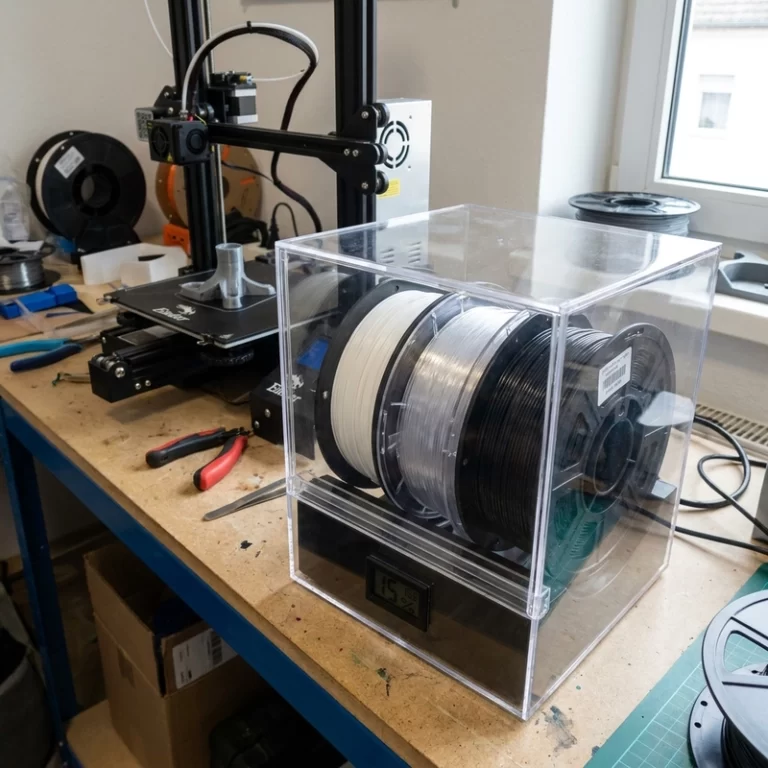
Engineering plastic filament drying prevents popping, bubbles, weak layers and rough surfaces in nylon, PC, TPU and filled FDM materials. Here is my production-tested workflow with verified temperature and time data.
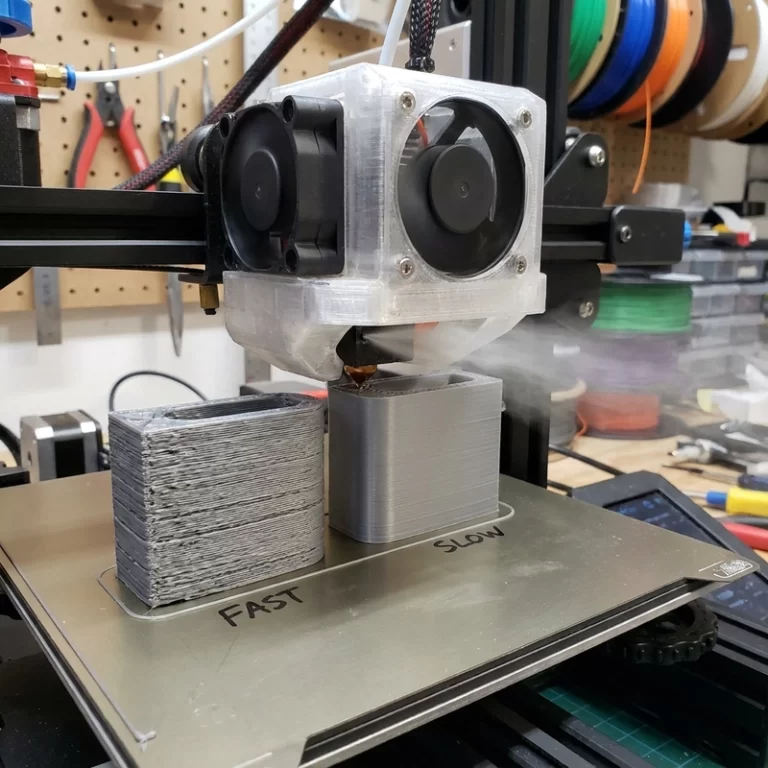
High-speed FDM printing needs flow rate, cooling, acceleration, pressure control, material drying and first-layer stability.
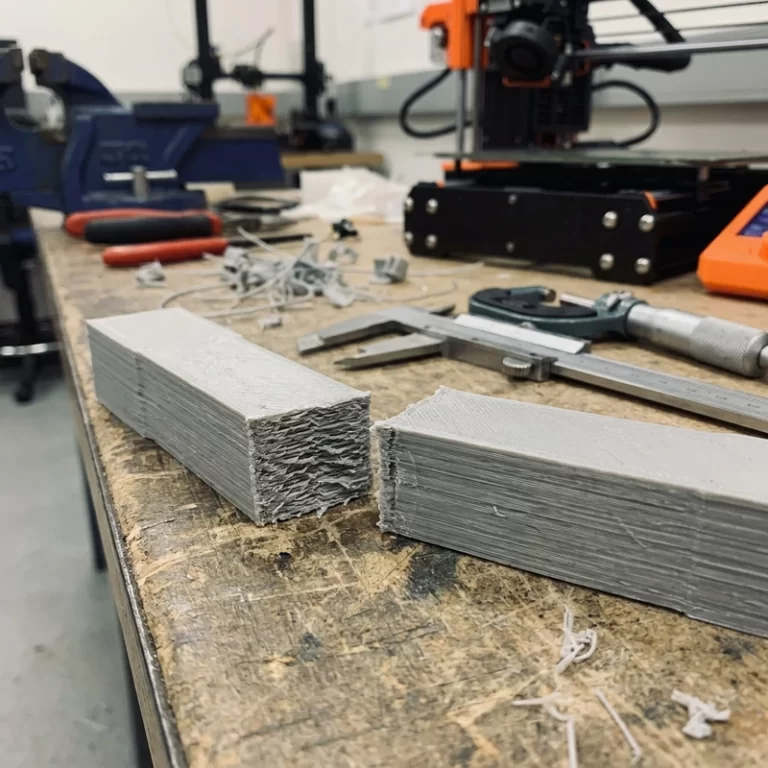
Improve FDM layer adhesion by controlling nozzle temperature, cooling, material dryness, layer height, orientation, wall thickness and design.
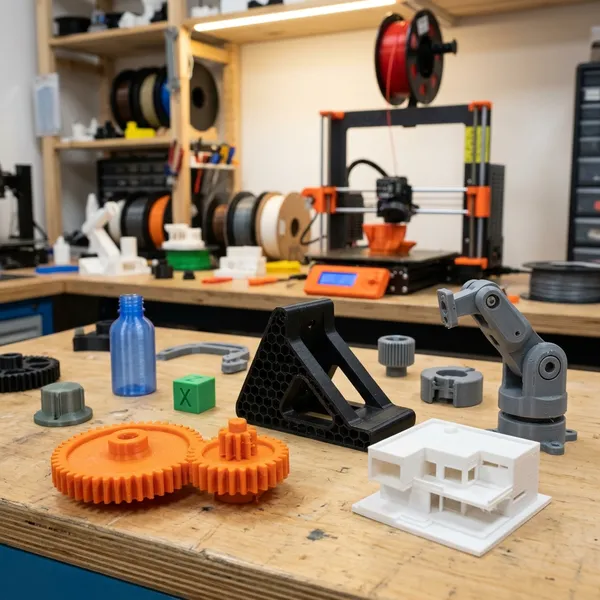
FDM warping causes usually come from thermal stress, weak first layers, cooling, material shrinkage and geometry. A practical shop checklist.
Your cart is currently empty!
Notifications