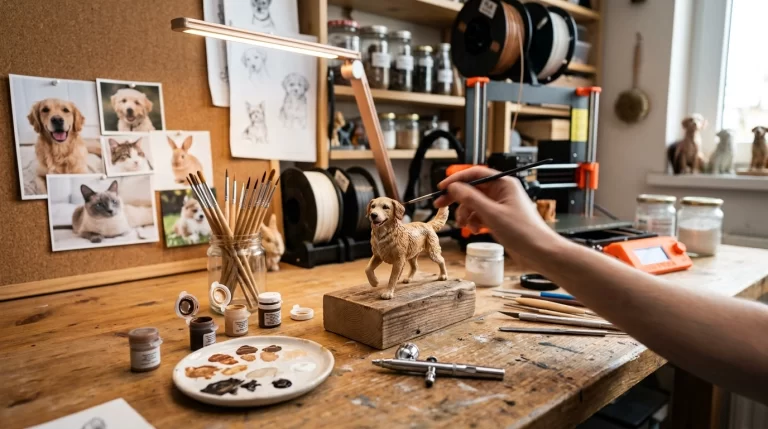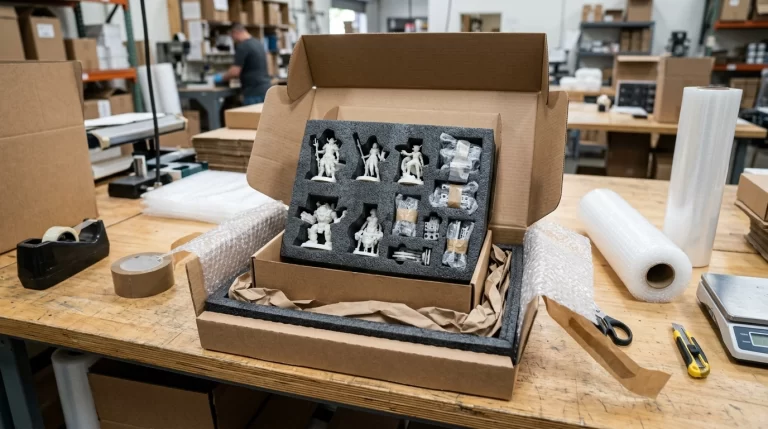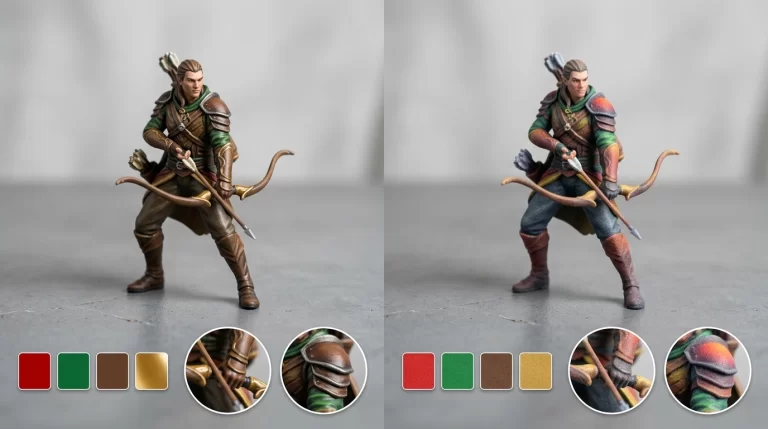
Photo to 3D figurine projects depend more on reference quality than many buyers expect. A clear photo does not automatically become a good model. The sculptor or 3D artist still has to infer face depth, hair volume, clothing folds, posture, body proportion and small details that a single image cannot show.
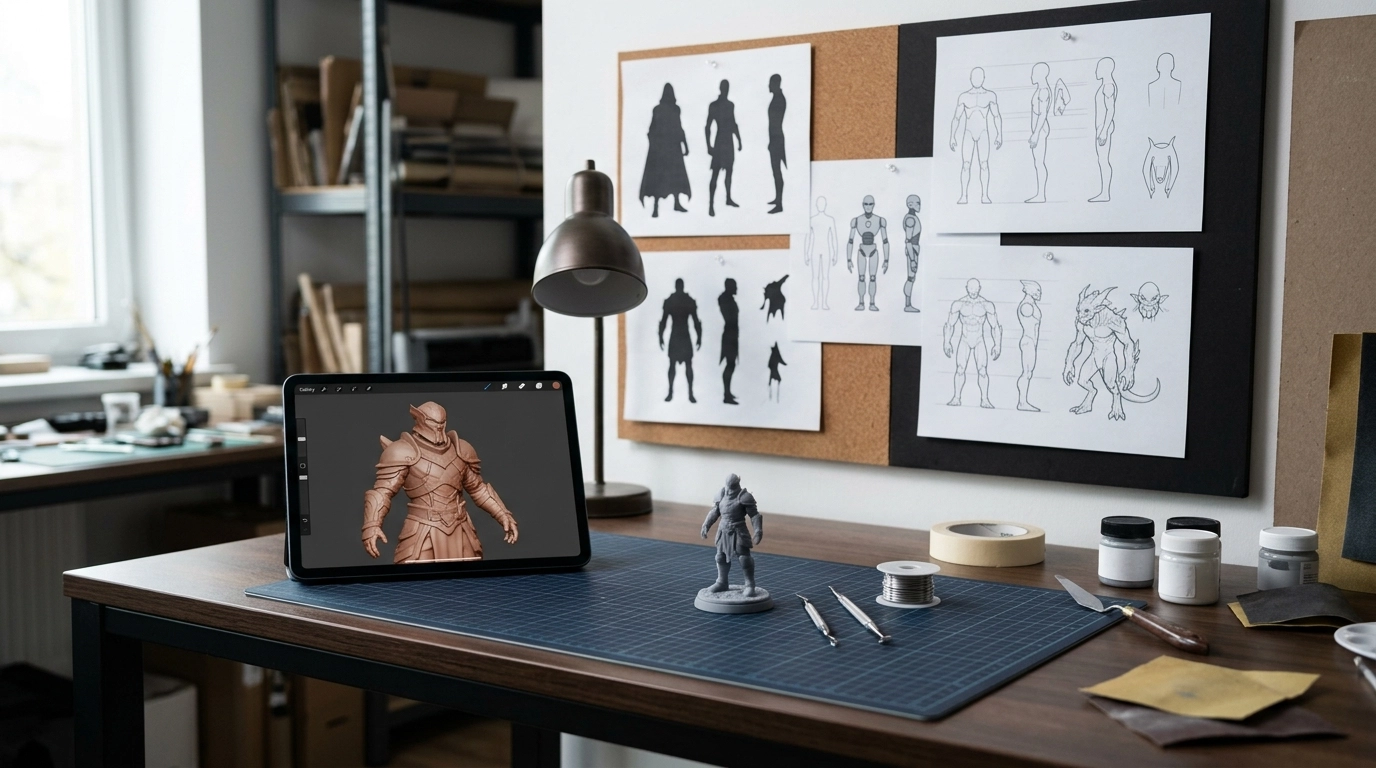
I would not promise perfect likeness from one low-light phone photo. A good figurine can still be made, but the buyer should understand which parts are based on direct reference and which parts are interpreted. That honesty saves time during sample approval.
Photo to 3D Figurine Needs More Than One Angle
The best reference set includes front, side and back views. A three-quarter face photo is useful, but it does not show both ears, head depth, hairstyle shape or shoulder width clearly. For pets, side photos help body length, leg position, tail shape and fur pattern. For people, full-body photos help clothing, posture and scale.
Lighting matters. Strong shadows can hide facial features. Wide-angle selfies can distort nose and head shape. Blurry photos make eyes, mouth and hairline hard to judge. If the figurine is a memorial gift or branded product, take the time to collect better references before modeling starts.
Style Choice Changes the Modeling Work
A realistic portrait, Q-style figure, pet statue and cartoon gift use different modeling rules. Realistic style needs better facial reference and more careful surface work. Q-style can simplify proportions, but it still needs recognizable features. A pet figurine may rely on fur pattern, pose and color more than exact anatomy.
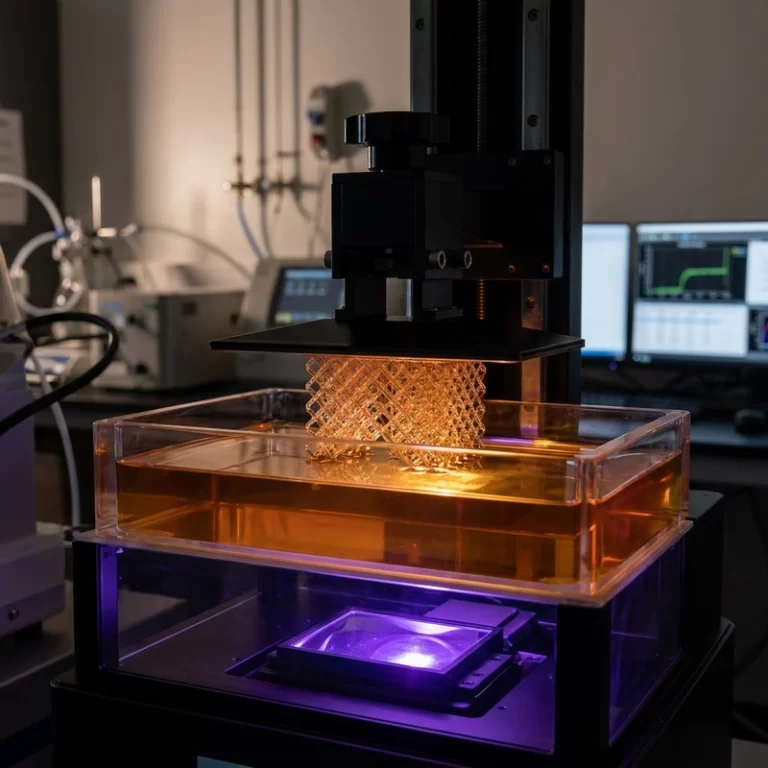
For material and finish, connect the model decision with resin figurine material. If the final product needs full color instead of hand painting, compare with WJP full-color resin 3D printing and multi-color 3D printing comparison.
Photo to 3D Figurine Approval Should Be Specific
Before printing, approve the digital model for pose, head size, clothing, base and major likeness. After printing, approve surface, paint, color and packaging. Do not mix those approvals together. A buyer may like the sculpt but dislike the paint tone. That is a different fix from changing the model.
The Smithsonian 3D site is a useful public reference for how 3D digitization and object viewing can separate shape from photography. For commercial figurine work, the practical rule is simpler: send more reference than you think is needed. Photo to 3D figurine work gets better when the artist is not forced to guess the important parts.
Photo to 3D Figurine Needs Finish Planning Too
The photo does not only guide the sculpt. It also affects paint and finish. A dark photo may hide clothing color. A filtered photo may change skin tone. A pet photo taken under warm indoor light may make fur look more yellow than it is. If color matters, send a reference under normal daylight or include a note about what should be corrected.
For OEM buyers, I would also define the product level before modeling: simple souvenir, detailed hand-painted gift, premium portrait, memorial piece or bulk promotional figurine. Each level has different sculpting time, print size, paint detail and packaging. A clear product level is better than asking for “high quality” and leaving the supplier to guess the budget.
A good RFQ for photo to 3D figurine work includes reference photos, target height, style, base text, finish, quantity and whether a digital sculpt proof is required before printing. That small preparation step usually saves more time than asking for revisions after the sample is already painted.
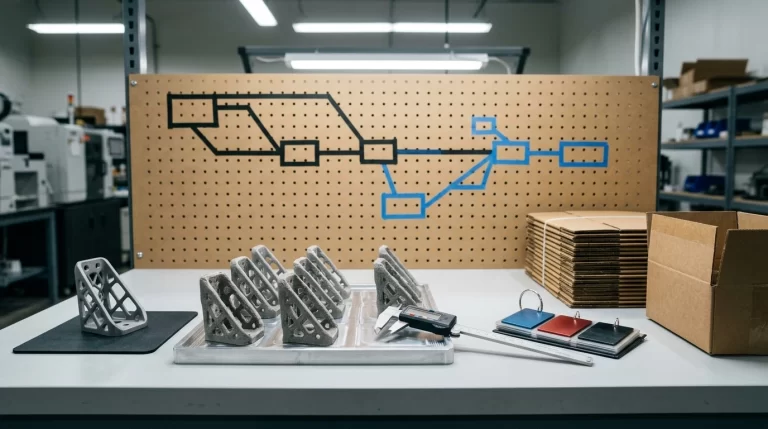
For bulk gift programs, the buyer should decide whether every figurine is fully custom or whether there is a shared body template with custom heads, clothing, base text or color. Fully custom work gives more uniqueness but adds modeling time. A controlled template system can be better for tourist shops, event gifts or brand campaigns where price and delivery matter.
The first sample should be reviewed in two stages: digital likeness and physical finish. Approving both at once is messy. Digital review handles face, pose and body proportion. Physical review handles print surface, paint, gloss, base and packaging. That split keeps photo to 3D figurine revisions from becoming emotional guesswork.
One thing I would never hide from the buyer: a single front photo limits the sculpt. The artist can still make a usable model, but the back of the head, body thickness, ear shape and clothing folds will involve interpretation. If the product is meant for a personal gift, it is better to ask for more photos than to pretend the missing sides are obvious.
For batch programs, keep the approval screen simple. Show the sculpt from front, side and three-quarter views, then show the painted sample under plain light. Photo to 3D figurine work becomes easier to scale when the buyer approves specific details instead of reacting to one polished render.
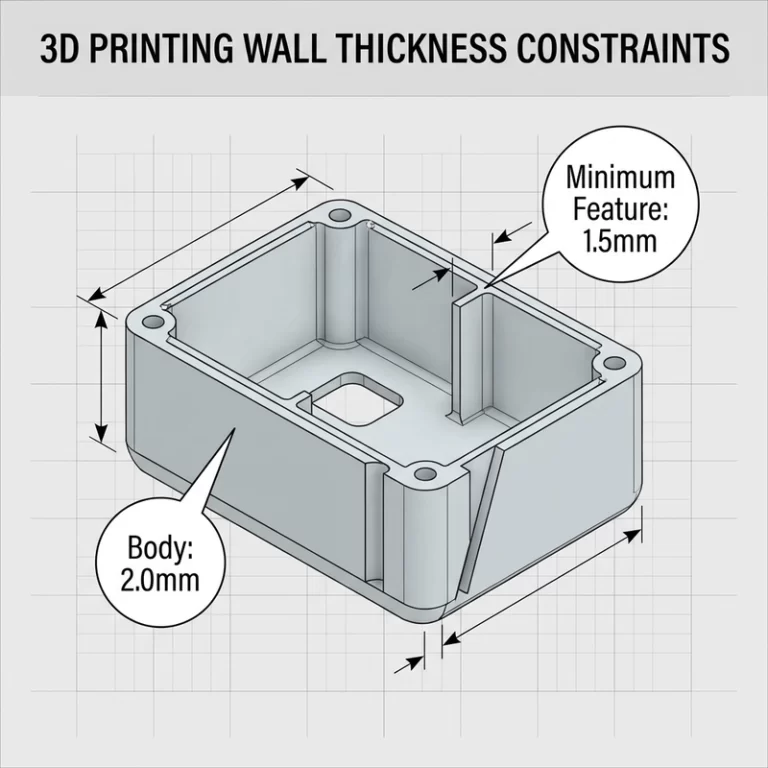
The base is not an afterthought. A name, date, logo or short message can make the figurine feel complete, but the text must be sized for printing and painting. Tiny letters may soften after primer or look messy after hand painting. Approve base text as carefully as the face.