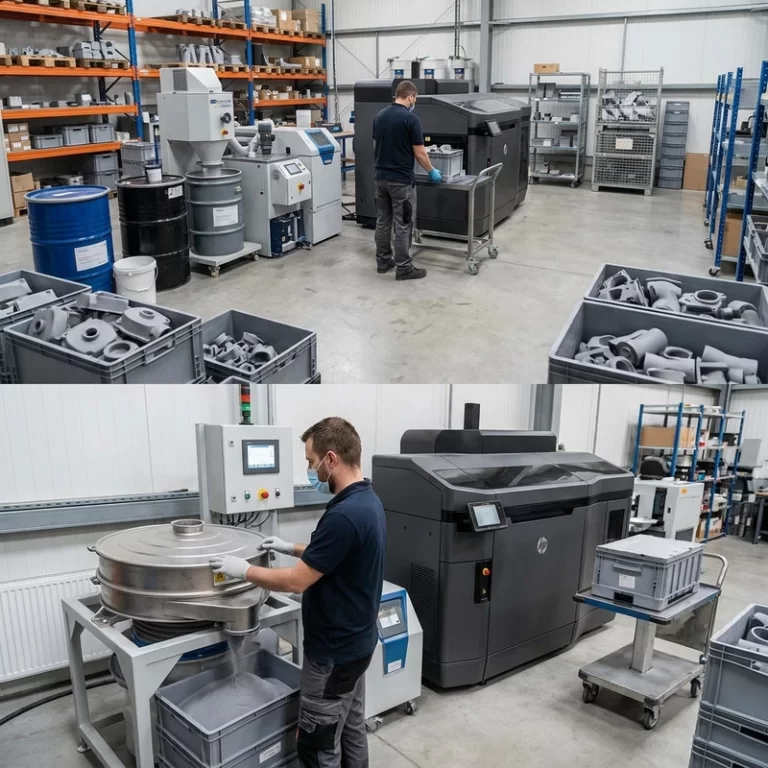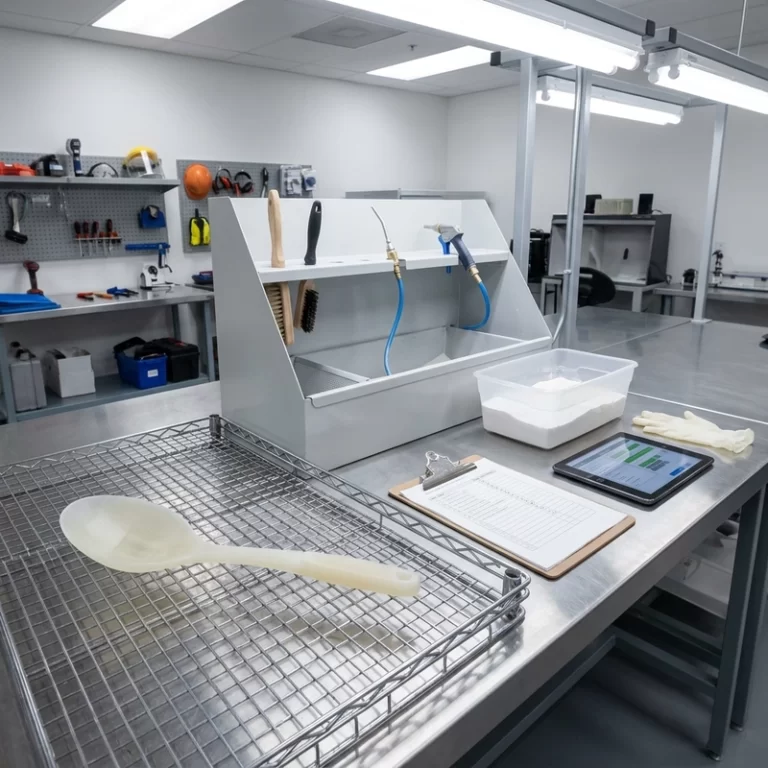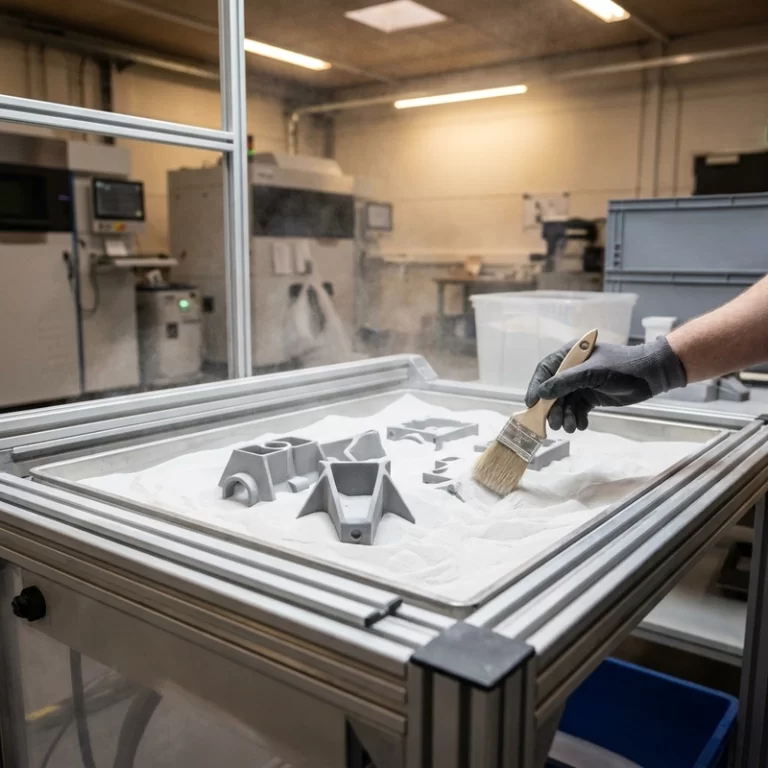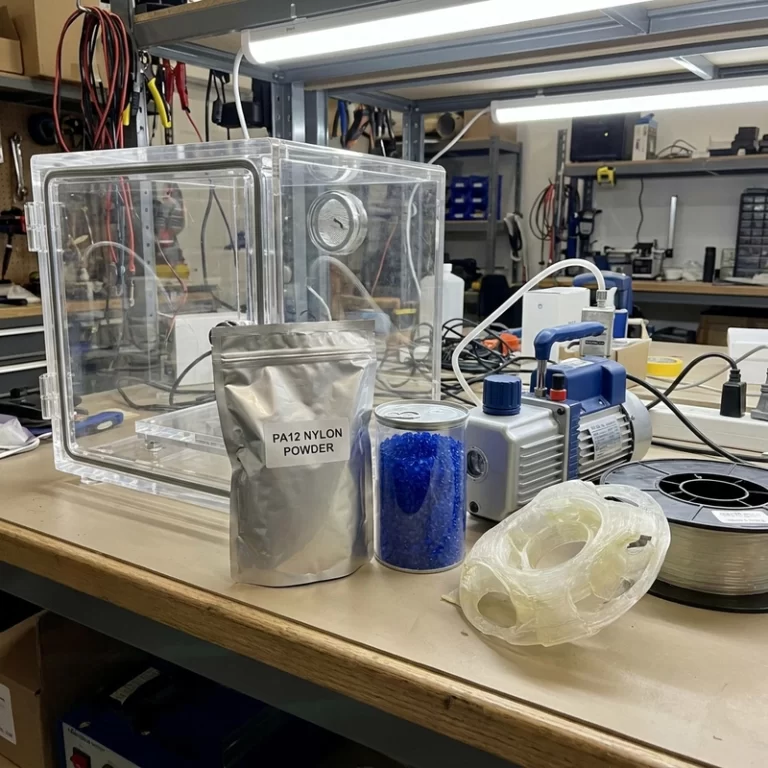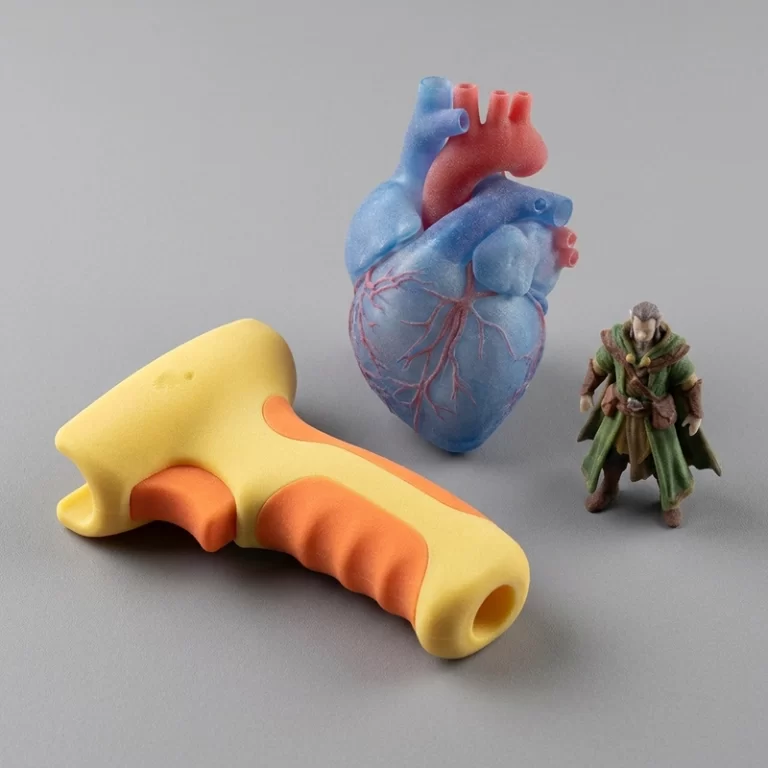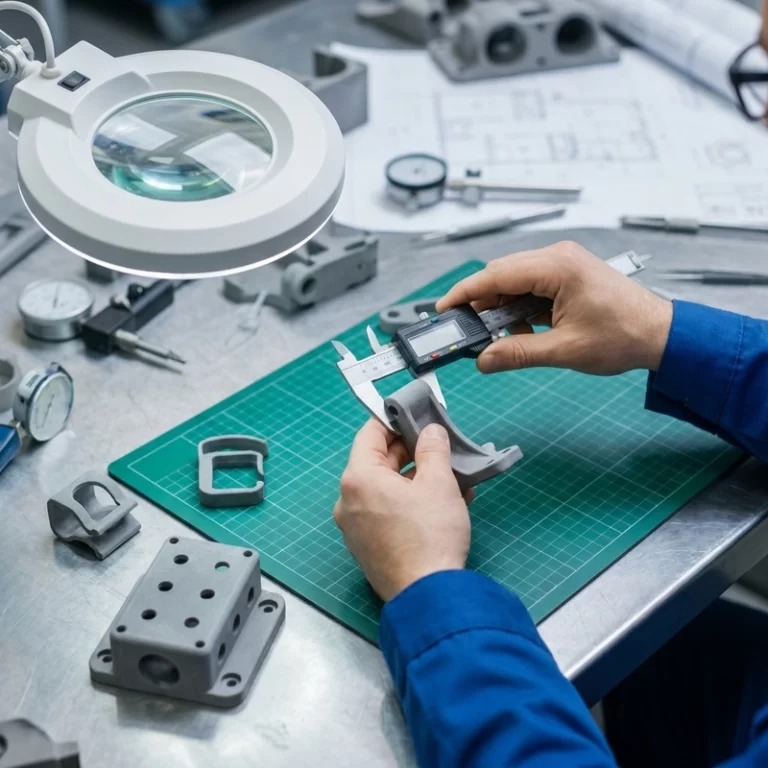
PA12 nylon 3D printing is one of the most common choices for functional plastic parts made by SLS and MJF. PA12 offers a useful balance of toughness, dimensional stability, chemical resistance and production cost. It is widely used for brackets, clips, housings, ducts, fixtures, robot parts, medical-style prototypes and small-batch end-use components that do not justify injection tooling.
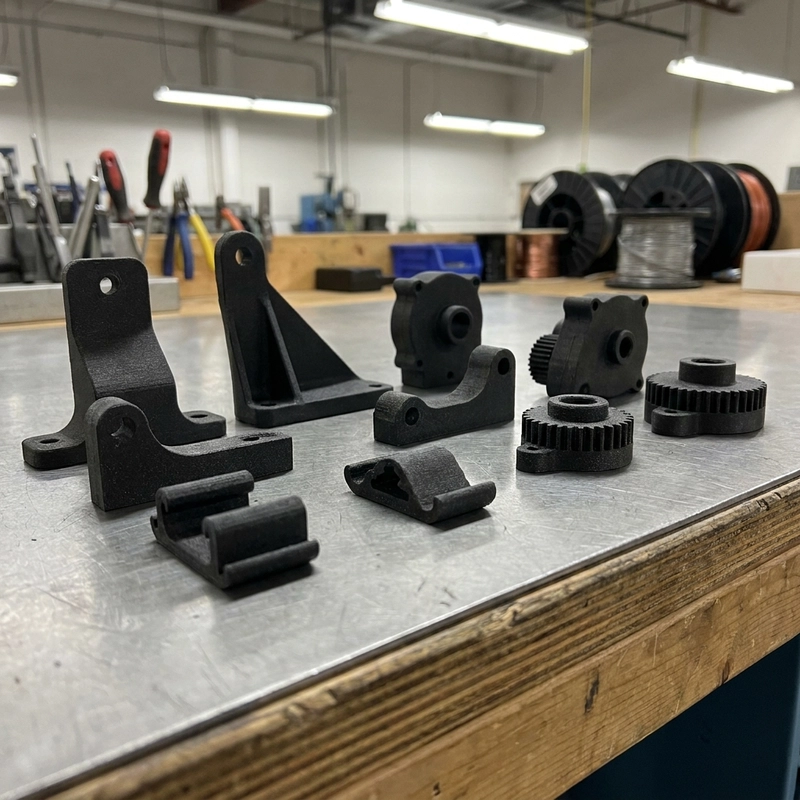
The material is popular because it is practical, not because it is perfect. Raw PA12 powder-bed parts have a fine grainy texture, printed holes may need tolerance allowance, thin walls can deform, and long-term performance depends on powder refresh, build orientation, thermal history and post-processing. A buyer should treat PA12 as a manufacturing material with process rules, not simply as “strong nylon.”
Why PA12 Works Well in SLS and MJF
PA12 is well suited to powder-bed fusion because it sinters or fuses in a controlled thermal window and can be processed as a fine powder. In SLS, a laser selectively sinters the powder. In MJF, fusing agents and infrared energy create the part. In both processes, surrounding powder supports the geometry, so complex parts can be built without support structures attached to the surface.
This support-free behavior makes PA12 useful for shapes that are awkward in FDM or SLA: interlocking parts, internal channels with powder escape paths, nested batches, lattices, clips and complex housings. However, unsintered powder must still be removed. Deep blind holes, sealed cavities and narrow channels can trap powder, so design needs depowdering access.
Mechanical Behavior and Design Limits
PA12 is tougher than many rigid resins and more production-friendly than many desktop FDM plastics, but printed PA12 is not identical to injection-molded nylon. Properties depend on print process, orientation, powder condition and finishing. Snap fits and clips can work well when designed with enough radius and thickness. Very thin flexible features, sharp notches and small screw bosses still need careful testing.
Wall thickness should be chosen around function. Thin walls reduce weight but can warp or become fragile. Thick solid walls hold heat and may distort or increase cost. Ribs, fillets and hollowing with powder escape holes often perform better than simply making the whole part solid. For threads, repeated assembly or high wear, inserts or post-machining may be needed.
Accuracy, Holes and Tolerance
SLS and MJF PA12 can produce useful functional accuracy, but tolerance depends on part size, orientation, nesting, thermal control and finishing. Small holes may print undersized. Thin pins may be fragile. Long flat parts may warp slightly. Dyeing, tumbling or sealing can also change surface dimensions. Critical assembly features should be marked on the drawing so they can be inspected or finished after printing.
| Feature | PA12 concern | Practical approach |
|---|---|---|
| Snap fit | Root cracking or over-stiffness | Add radius and test real assembly cycles |
| Small hole | May print undersized or rough | Use allowance or drill after printing |
| Internal channel | Trapped powder | Add escape holes and cleaning access |
| Cosmetic shell | Grainy raw texture | Specify dyeing, tumbling or sealing |
| Thread | Wear under repeated use | Use inserts or tap after printing |
Powder Refresh and Batch Consistency
PA12 powder can often be recovered after a build, but reused powder changes with heat exposure. Good production control includes sieving, drying, tracking refresh ratio and blending with virgin powder. A low-cost quote may look attractive, but if powder refresh is uncontrolled, repeat batches can vary in color, surface texture and strength. For functional parts, powder handling should be part of the quality conversation.
Finishing Options
Raw PA12 is usually white, grey or slightly off-white depending on process and powder. Black dyeing is common because it produces a clean uniform appearance and hides minor powder-bed variation. Tumbling can reduce surface roughness and make the part feel more finished. Sealing can improve stain resistance and touch feel. Painting is possible, but PA12 surface preparation and coating compatibility must be tested.
RFQ Data to Prepare
- STEP or STL files, quantity and target finish.
- Functional requirement: fit check, fixture, end-use part or sales sample.
- Critical holes, clips, snap fits, threads and mating surfaces.
- Color or finish requirement: raw, dyed, tumbled, sealed or painted.
- Inspection requirement for dimensions or assembly fit.
PA12 nylon 3D printing is a strong option for functional plastic parts when its process limits are respected. The best results come from matching geometry, powder-bed process, tolerance strategy and finishing route before the batch is printed.