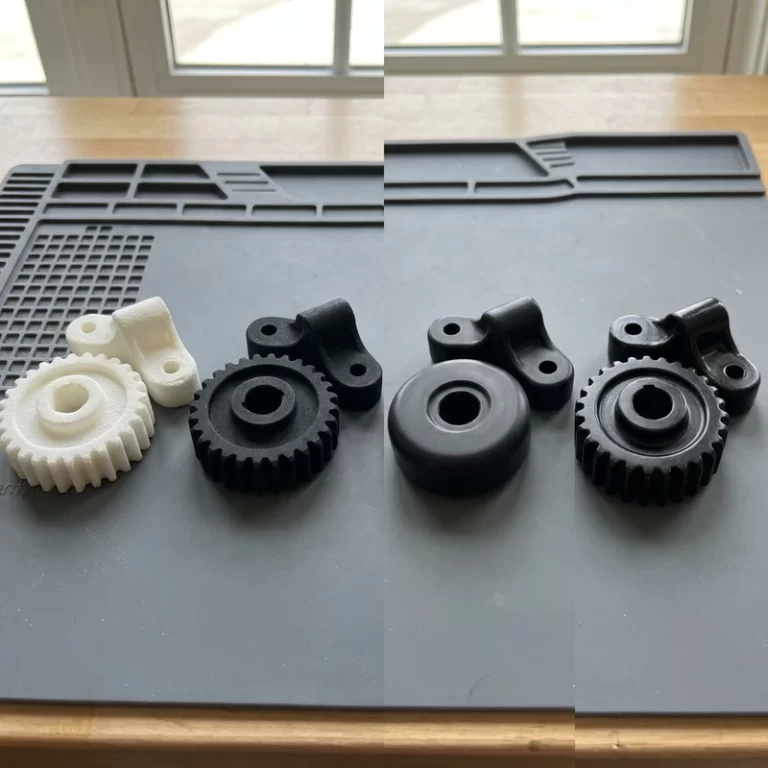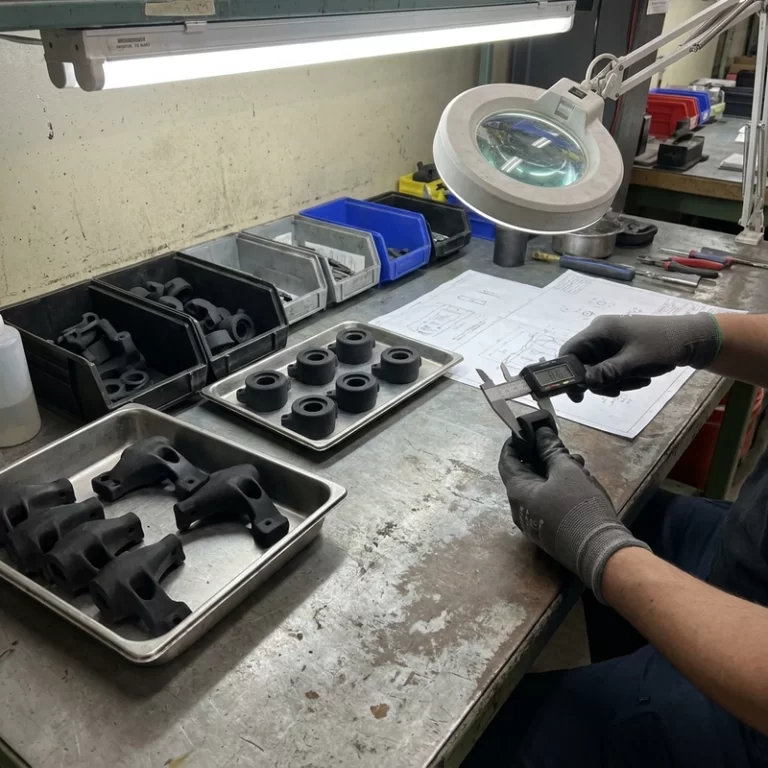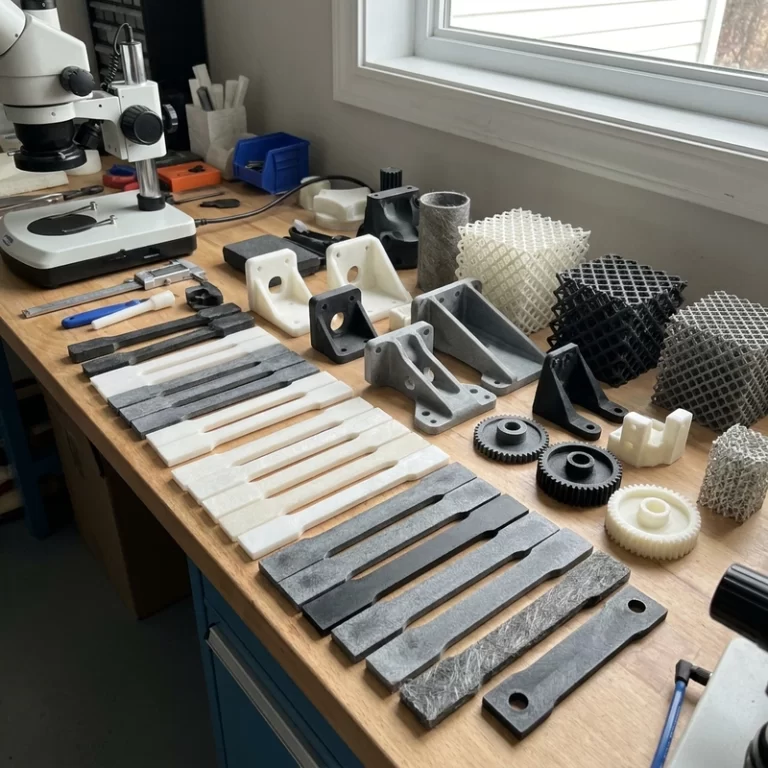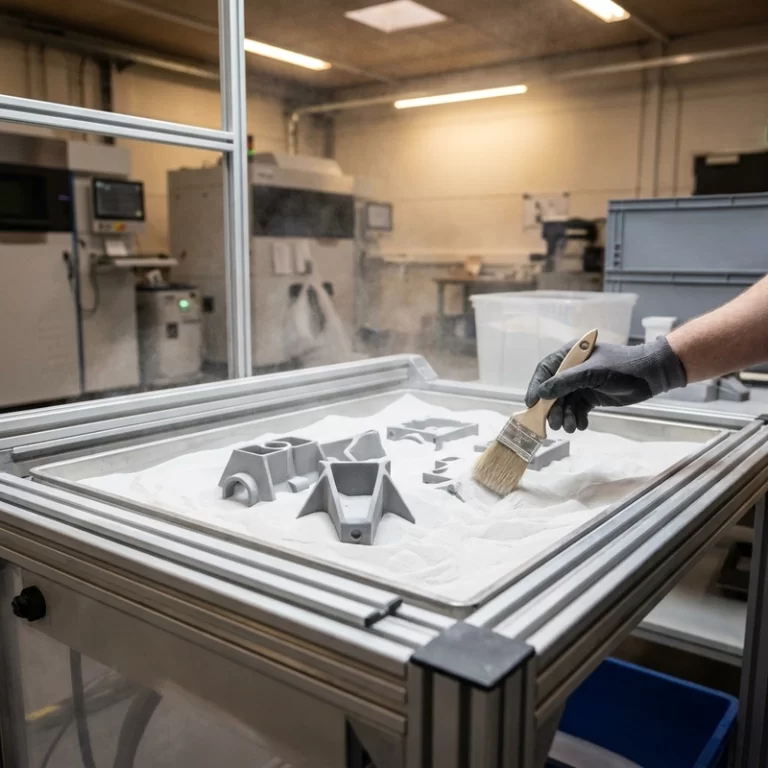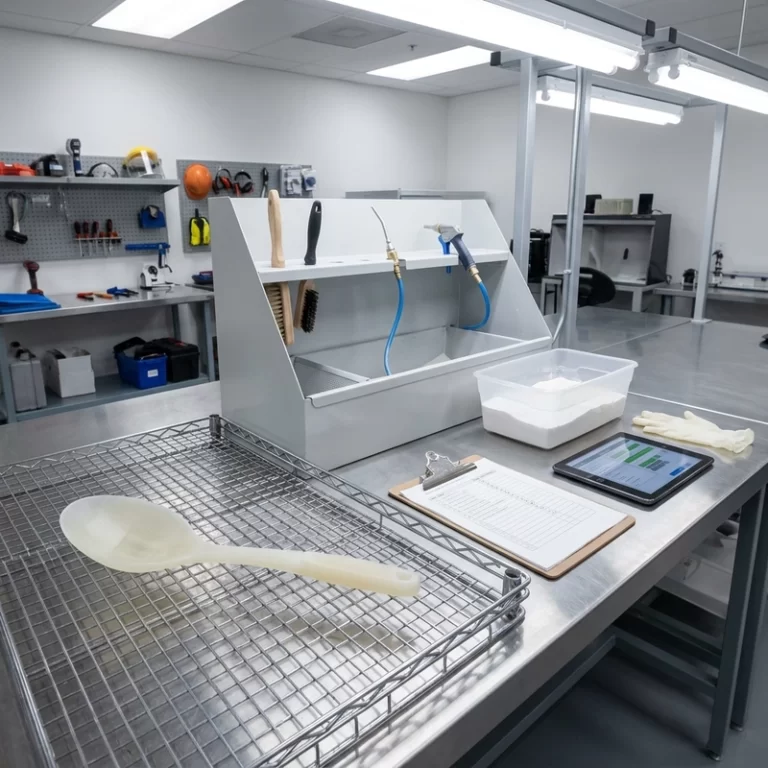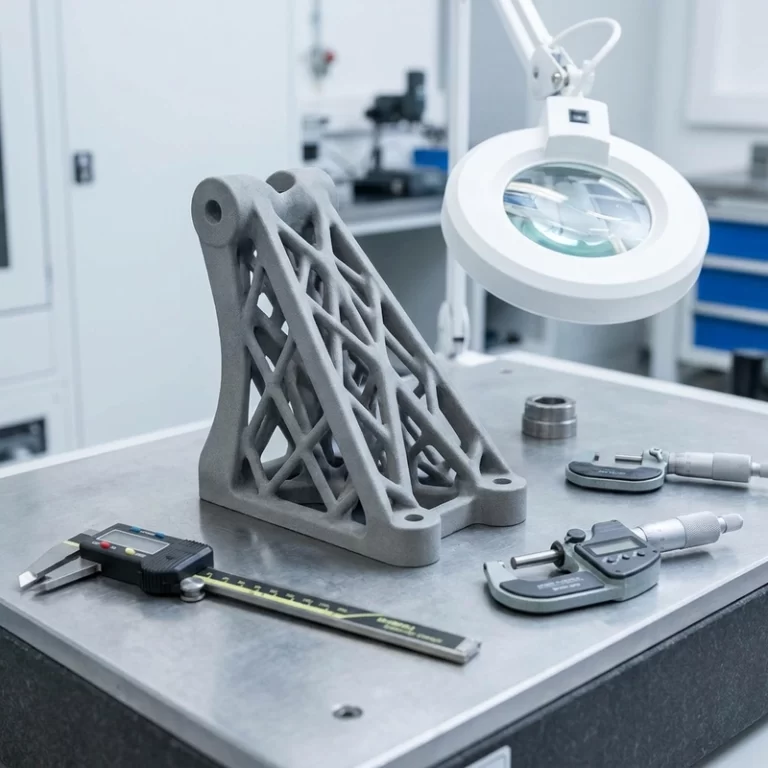
PAC full-color nylon 3D printing is useful when a part needs native color and nylon-like handling at the same time. I would not group it with ordinary painted prints. I also would not group it with high-detail full-color resin without checking the use case. PAC full-color nylon 3D printing sits in the middle: tougher than many visual resin models, but still carrying powder-bed texture and color limits.
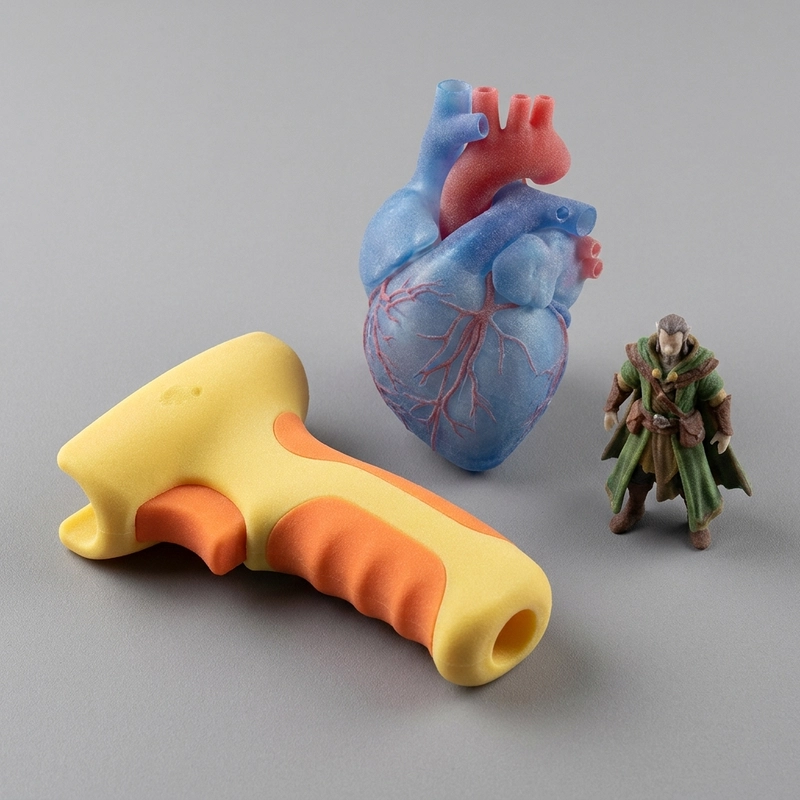
The process is often considered for education models, anatomical color zones, consumer product prototypes, cultural products, figurines, and functional demonstration parts. The key word is demonstration. If the part must carry load, fit tightly, or survive repeated handling, color approval and mechanical review should both happen. A nice color print that cracks or jams is not a good deliverable.
PAC full-color nylon 3D printing versus WJP resin
WJP full-color resin is usually stronger for fine visual detail, smooth surfaces, and portrait-style color. PAC full-color nylon is usually more interesting when the model needs a tougher nylon-like body. That makes it useful for handled teaching models, product samples with color zones, and parts where color carries functional information rather than only decoration.
The source describes a PA-based full-color nylon route connected with MJF or powder-bed behavior. Example source values include tensile strength around 50-60 MPa, impact strength around 20-40 kJ/m2, powder particle size around 80-120 micrometers, accuracy around +/-0.2 mm, and shrinkage around 0.3-0.5%. I would treat those as supplier-specific questions, not universal promises. Ask what the actual material and process can document.
For resin-side comparison, read Zesmir’s WJP full-color resin 3D printing article. For broader color route selection, the multi-color 3D printing comparison is the better map.
PAC full-color nylon 3D printing needs color-capable files
A plain STL will not carry texture. PAC color work may need OBJ, VRML, 3MF, or another file format with texture maps and color data. Missing image files, broken texture paths, bad UV mapping, and low-resolution color data can create a poor print before the machine does anything wrong. I like checking the color file before talking about delivery time.
Color expectations should be physical when the job matters. Monitor color, printed nylon color, sealed color, and photographed color are all different. Powder-bed texture scatters light. Matte surfaces make colors look softer. Sealing can deepen or darken color. If brand color or skin tone matters, approve a sample under the lighting where the part will be judged.
I also separate geometry proof from color proof. A small color tile may approve the palette, but it does not prove that a thin wall, snap feature, or internal channel will work. A geometry sample may fit well, but it may not show final color. For important batches, those approvals should not be mixed into one vague “sample passed” note.
Process limits in PAC full-color nylon 3D printing
PAC full-color nylon still follows powder-bed design rules. Thin walls, small channels, moving features, and trapped powder need review. Color does not fix powder removal. Small text and very subtle gradients may not reproduce like a screen image. Skin tone is especially difficult because small shifts in hue become obvious on faces.
Packaging matters too. Colored powder-bed surfaces can scuff if parts rub together during shipping. For gift samples, medical display models, or retail prototypes, specify individual wrapping, tray separation, or a protective finish when scuffing would be unacceptable.
Use cases differ more than the process name suggests. An anatomy teaching model can tolerate powder texture if the color zones are clear. A branded product sample may need better surface sealing and stricter color matching. A handled training model may need toughness and rounded edges. A figurine may need finer face detail than PAC can comfortably deliver, which is where WJP resin or hand painting may still be better.
Small functional features should not be hidden behind color approval. Clips, thin tabs, pin holes, and sliding areas still need clearance and depowdering checks. I would rather approve a dull but functional engineering sample first, then approve the color version, than discover at the end that a beautiful full-color part cannot assemble.
Repeat orders need a master reference. Keep one approved finished part and compare later batches against it under the same light. Color drift, powder variation, and finish changes are much easier to catch when the reference is physical and stable.
For process vocabulary, ISO/ASTM 52900 is a useful neutral reference. It helps keep material jetting, powder-bed fusion, and post-coloring discussions from blending into one vague “full-color printing” label.
Best RFQ notes for PAC color nylon
Send the color-capable file, all textures, target scale, quantity, color-critical regions, function of the part, finish expectation, and packaging requirement. Say whether the color is decorative, informational, or functional. PAC full-color nylon 3D printing works best when color has a clear job and the buyer accepts nylon powder-bed texture as part of the result.
If the part must be both colorful and mechanically loaded, say which requirement is allowed to compromise. Sometimes the stronger nylon choice reduces color quality. Sometimes the best color route gives up toughness. PAC full-color nylon 3D printing is most useful when that tradeoff is understood before the quote.