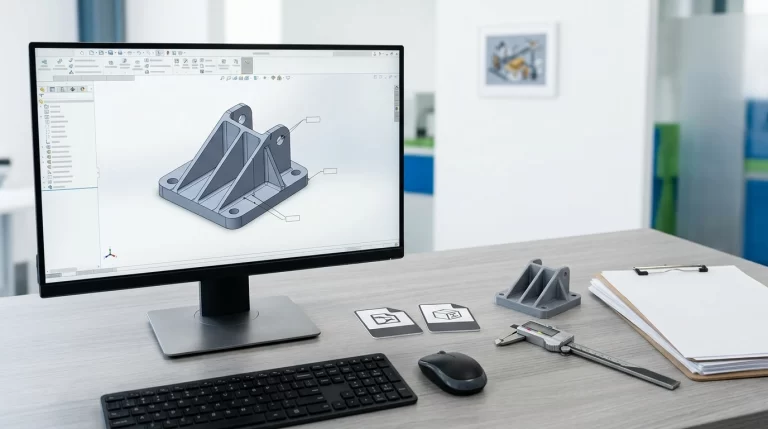
Resin 3D printing vs vacuum casting becomes a serious question when a buyer moves from a few samples to dozens or hundreds of plastic gift parts. Resin printing is flexible and direct. Vacuum casting needs a master and silicone mold, but it can make repeated parts with different material behavior. Neither route wins every order.
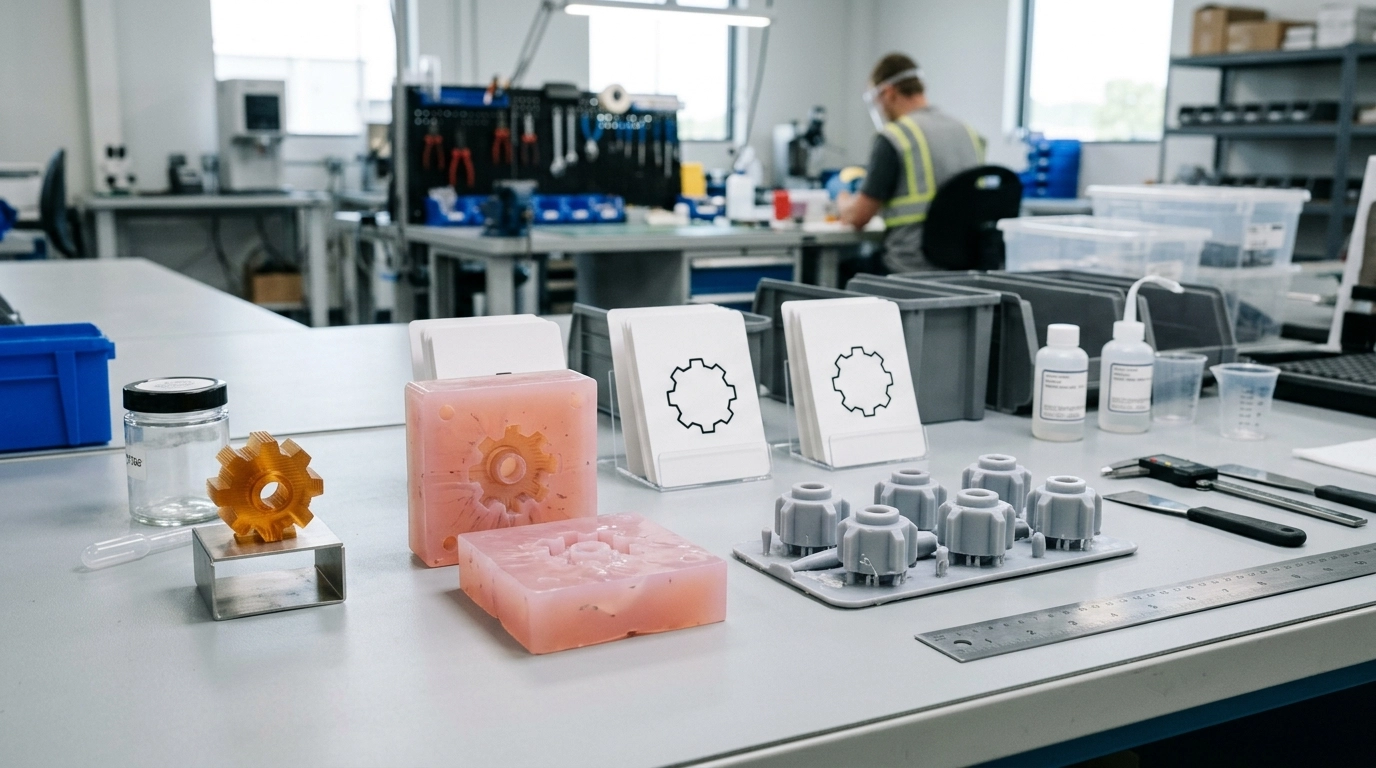
I normally ask whether the design is stable. If the buyer is still changing shape, resin printing is safer. If the design is approved and the quantity is large enough, vacuum casting may become worth discussing.
Resin 3D Printing vs Vacuum Casting for Samples
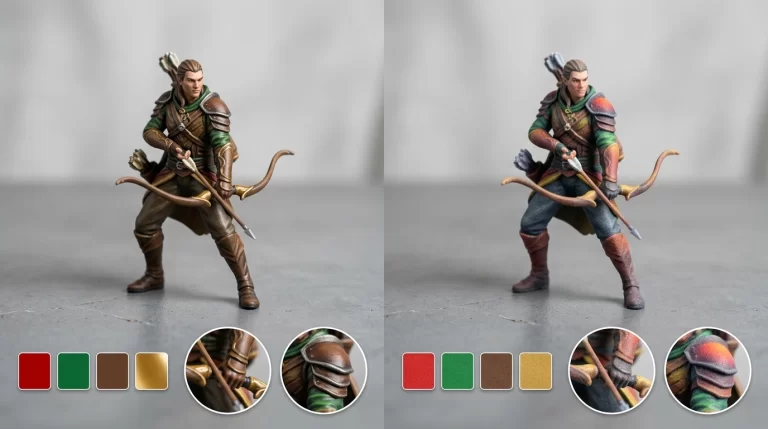
Resin printing is strong for fast samples, detailed figurines, masters, visual prototypes and designs that may change after review. It avoids mold lead time. It can also produce final parts directly when quantity is low and finish expectations are clear.
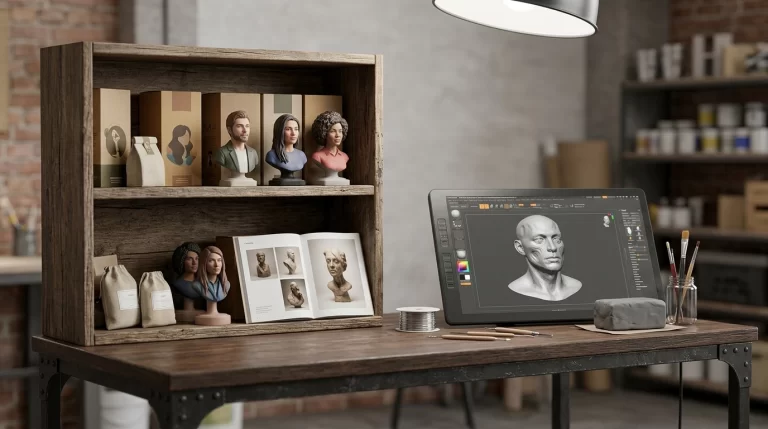
Vacuum casting starts with a master model. The master may be 3D printed, finished and then used to make a silicone mold. This adds preparation time, but it can be useful for repeated plastic-like parts. The article vacuum casting vs 3D printing goes deeper into that decision.
Quantity, Finish and Material Feel
For OEM gifts, finish can drive the route. A direct printed resin figurine may still need sanding and painting. A cast part may copy the master surface but still need trimming, painting or assembly. If the buyer wants a soft plastic feel, transparent part or specific color, the material options need review before assuming either route.
For resin gift behavior, connect this with resin figurine material. For cost thinking, engineering plastic 3D printing cost helps frame batch quantity and tooling tradeoffs.
Resin 3D Printing vs Vacuum Casting for OEM Risk
Resin printing keeps design changes easier. Vacuum casting can make repeated parts after the master is locked, but a design change may require a new master or mold. For an early-stage gift product, keep flexibility. For a stable small batch, compare total cost: master, mold, cast parts, finishing, rejects, packaging and lead time.
The NIST additive manufacturing page is useful background for additive terms. For buyer decisions, resin 3D printing vs vacuum casting should be judged by sample stability, quantity and finish, not by one process sounding more advanced.
Design Changes Are the Hidden Cost
If the buyer is still changing logo size, wall thickness, pose, base text or assembly features, resin printing protects flexibility. A mold route becomes awkward when the design is unstable. A small change that is easy in CAD may be expensive after a silicone mold has already been made.
Vacuum casting becomes more attractive after the master sample is approved. The buyer should then check mold life, material feel, color, surface, trimming marks and delivery time. It may still need painting or assembly. The process is not automatic bulk production; it is a small-batch route with its own controls.
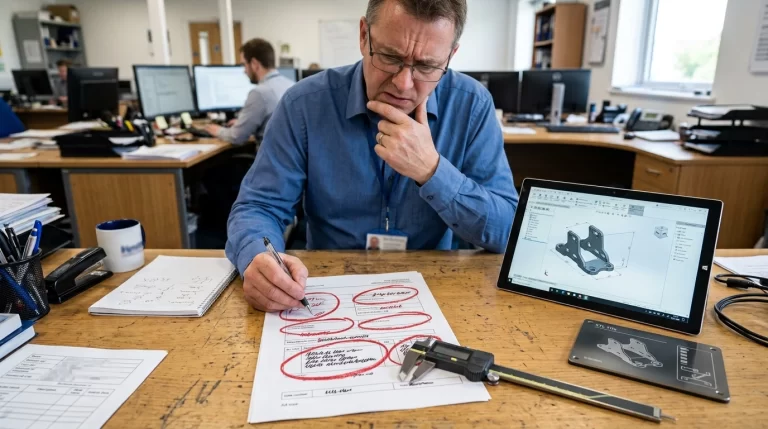
For OEM gift production, the safest RFQ separates the sample stage from the batch stage. Ask for the direct printed sample first, then compare resin 3D printing vs vacuum casting once the design is stable. That keeps early creativity from becoming expensive tooling revision.
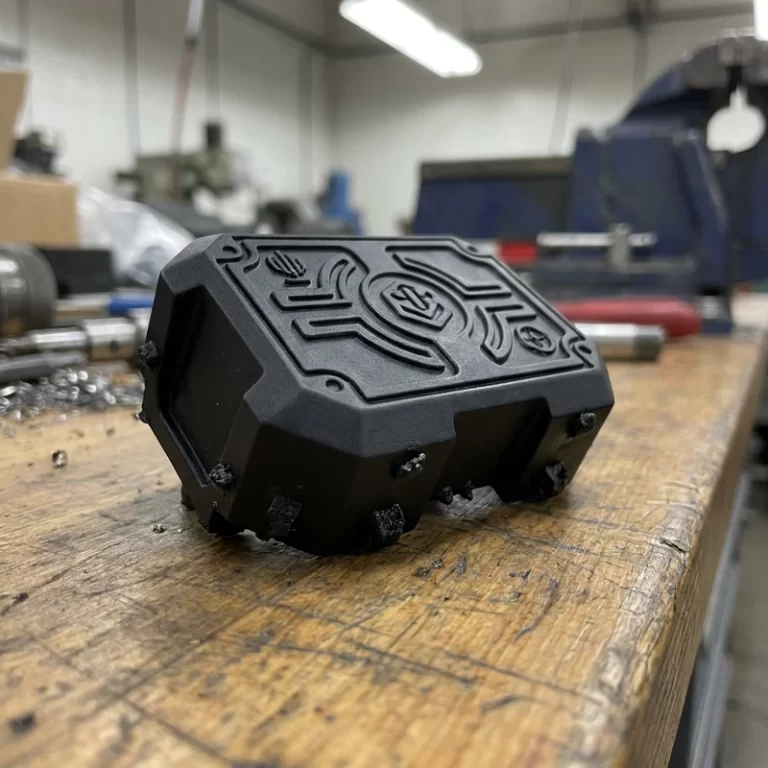
Surface finish should be compared honestly. A vacuum cast part copies the master, including master surface quality. If the master has sanding marks, the mold may repeat them. A direct resin printed part may need individual finishing on every unit. The buyer should compare finished samples, not raw process assumptions.
Packaging and assembly can also change the route. A gift part with several glued pieces may benefit from a process that makes assembly easier. A one-piece detailed figurine may stay with resin printing because mold parting and demolding become awkward. Resin 3D printing vs vacuum casting should include the whole product route, not only the unit part price.
Master quality decides a lot in vacuum casting. If the printed master is rushed, every copy can inherit the same softened edge, sanding mark or imperfect surface. That means the master should be approved like a production tool, not like a rough prototype.
Resin printing keeps each part digital. That helps when names, logos, base text or small geometry changes vary across the order. Vacuum casting prefers stable repetition. If customization stays high, the mold route may lose the advantage that made it attractive.
For a serious comparison, ask for delivered-part pricing: part, finishing, assembly, packing and any master or mold cost separated. Resin 3D printing vs vacuum casting becomes clear only when the buyer can see where the money and risk sit.
Lead time should include the approval loop. Direct resin printing can move quickly when the file is ready, but finishing still takes time. Vacuum casting needs a master, mold making, casting, trimming and often finishing. A route that looks cheaper per unit may not fit the buyer’s launch date.
If the product has undercuts, thin arms, deep pockets or delicate decoration, ask how the part will come out of the mold. Resin printing may tolerate shapes that are awkward for casting. Resin 3D printing vs vacuum casting is partly a geometry question, not only a quantity question.